



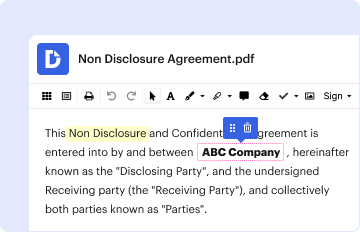
01. Edit your form online
Type text, add images, blackout confidential details, add comments, highlights and more.

Type text, add images, blackout confidential details, add comments, highlights and more.
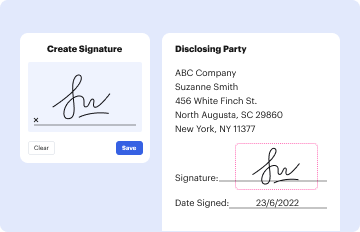
Draw your signature, type it, upload its image, or use your mobile device as a signature pad.
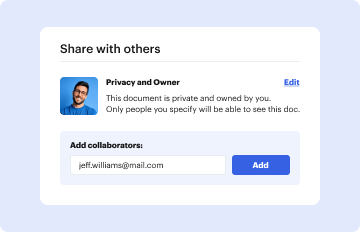
Send it via email, link, or fax. You can also download it, export it or print it out.
The Reasonable Suspicion Testing Checklist - Generic Form is a crucial document utilized by organizations to assess and record instances where an employee exhibits signs that may suggest substance use. It serves as a standardized tool to guide supervisors in observing and documenting behaviors, appearances, speech patterns, and body odors that justify testing based on reasonable suspicion. This process ensures that decisions regarding employee testing are made fairly and consistently, protecting the legal rights of both the employee and the employer.
The checklist comprises specific sections that capture detailed observations necessary to support the reasonable suspicion testing decision. Key elements include:
Each element aims to provide a comprehensive record of observations to support the rationale for testing.
These steps ensure a systematic and fair approach to managing reasonable suspicion cases.
The checklist is designed to guide users through the process of identifying and documenting indicators of substance use. Proper use involves:
Proper use of the checklist helps safeguard organizational integrity and employee well-being.
The legal framework surrounding the Reasonable Suspicion Testing Checklist requires compliance with federal and state laws, which may include:
Understanding these legal aspects is crucial to avoid legal disputes and uphold ethical standards.
In practice, the checklist might be employed in various scenarios:
These examples illustrate how the form can be applied in diverse work environments to maintain safety and compliance.
Understanding these terms is essential for anyone involved in the form's completion or review.
State regulations may impact how the checklist is utilized:
Familiarity with state-specific legal requirements ensures that the checklist is used correctly in each jurisdiction.
At DocHub, your data security is our priority. We follow HIPAA, SOC2, GDPR, and other standards, so you can work on your documents with confidence.
This checklist is used to determine and document reasonable suspicion of a potential violation of the Drug and Alcohol Free Workplace policy.
Testing Information: Collection Site Location: Time Arrived: AM/PM. 1. Was the alcohol test performed within 2 hours of the reasonable suspicion determination?Read more


