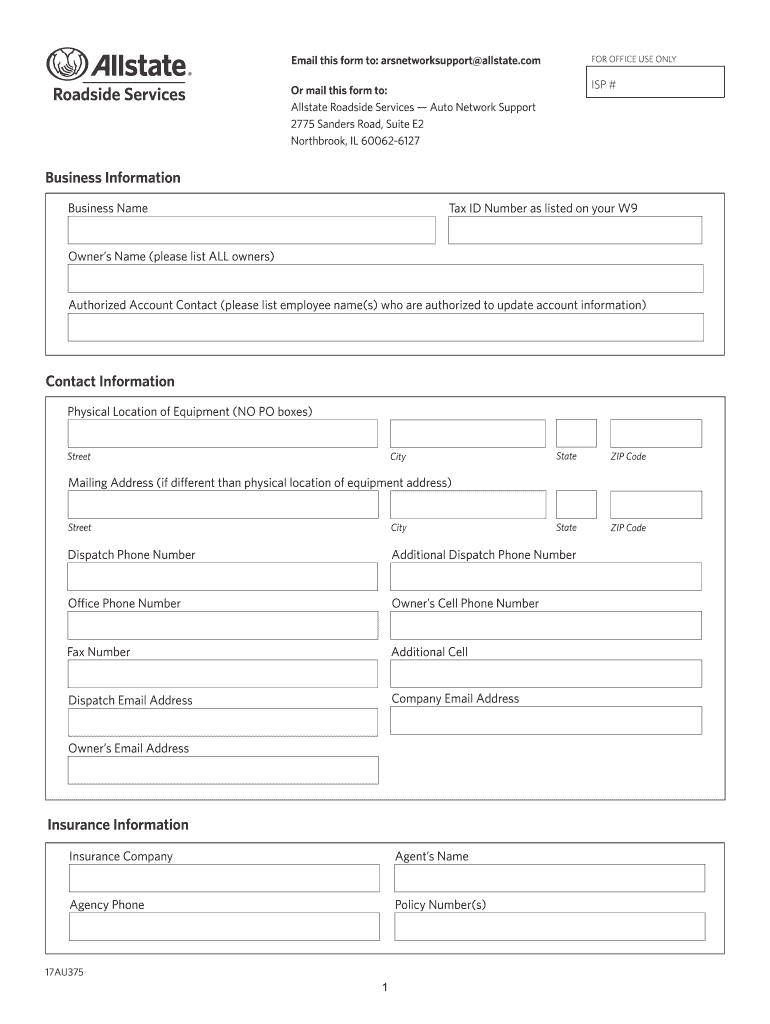







Definition of Roadside Assistance Provider for State Farm
Becoming a roadside assistance provider for State Farm means entering into a contractual relationship to deliver roadside services such as towing, fuel delivery, lockout assistance, and tire changes. Providers support State Farm's mission to assist its customers during vehicular emergencies, ensuring that service quality aligns with the company's standards.
Key Responsibilities
- Service Delivery: Providers must be prepared to handle various situations, including flat tires, dead batteries, and vehicle immobilization.
- Customer Interaction: Establishing professionalism and empathy when dealing with clients is essential, as providers act as the face of State Farm during distressing situations.
- Documentation: Providers are responsible for maintaining accurate records of services rendered, including the completion and billing of each job.
Service Requirements
Providers must ensure compliance with all operational guidelines set forth by State Farm. This includes adherence to vehicle safety standards, staff training, and insurances, such as liability coverage.
Application Process to Become a State Farm Roadside Assistance Provider
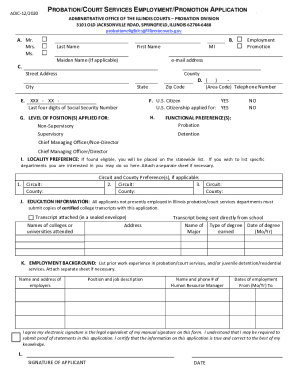
The application process for becoming a roadside assistance provider for State Farm begins with submitting a formal application that includes various necessary credentials and proof of capabilities.
Required Documentation
- Business License: Verification of legitimacy as a service provider.
- Insurance Certificates: Proof of adequate liability and vehicle insurance.
- Background Checks: Providers should consent to background checks for safety and security assurances.
Application Steps
- Initial Inquiry: Interested providers should reach out to State Farm or visit their official website for eligibility criteria and application forms.
- Documentation Submission: Complete the necessary application forms and gather all required documents.
- Review Period: Once submitted, State Farm will conduct a review of the application, which may take several weeks.
- Contract Offer: Upon approval, providers will receive a formal agreement outlining the terms of service.
Eligibility Criteria for State Farm Roadside Assistance Providers
Eligibility criteria ensure that only qualified and reliable providers operate under the State Farm brand, maintaining service levels for customers.


General Requirements
- Experience in Roadside Assistance: Previous experience in related fields is a significant advantage.
- Qualified Personnel: The service company must employ trained personnel capable of performing various roadside assistance tasks.
- Infrastructure: Adequate vehicles and equipment that comply with State Farm’s standards are essential for operation.
Compliance with State Laws
Roadside assistance providers must adhere to local laws and regulations governing towing and roadside services. This includes permits and licenses that may differ from state to state. Providers should be proactive in understanding these nuances to avoid legal complications.
Key Elements of the Roadside Assistance Provider Application
Understanding the key elements of the roadside assistance provider application is crucial for a successful submission.
Comprehensive Service Capabilities
The application must detail the range of services offered:
- Towing: Types of vehicles and distances covered.
- Battery Jumpstarts: Equipment used and response times.
- Lockout Services: Methods and tools for effective service.
Rate Structures
A transparent rate structure, including any potential hidden fees, allows for clear communication with customers and consistency with State Farm’s pricing policies.
Emergency Response Protocols
Providers should outline emergency response protocols to ensure timely service delivery, including average response times and methods for prioritizing urgent requests.
Importance of Becoming a Roadside Assistance Provider for State Farm
Partnering with State Farm offers several benefits for roadside assistance providers, including access to a broader customer base and enhanced credibility.
Business Growth
- Increased Revenue Opportunities: Access to State Farm’s extensive customer network can substantially boost service requests.
- Enhanced Reputation: Aligning with a reputable insurer like State Farm reinforces trust and reliability in the service offered.
Operational Support
State Farm often provides training and ongoing support resources to ensure providers can maintain service quality, thereby benefiting both parties in the partnership.
State-Specific Considerations for Becoming a Roadside Assistance Provider
Each state has its own set of regulations that roadside assistance providers must navigate when applying to work with State Farm.
Licensing Requirements
- Local Compliance: Providers must research specific licensing requirements in their state, which may include certifications for towing and emergency services.
- Insurance Standards: Some states may impose stricter insurance requirements, necessitating higher levels of liability coverage.
Market Dynamics
Understanding the local market for roadside assistance services can impact the pricing models and service offerings that providers choose to implement. Providers should assess competition, pricing strategies, and customer expectations within their geographic region to adapt their business operations effectively.
Final Steps for Providers Post-Application Approval
Following approval, providers enter a vital phase of establishing their operations aligned with State Farm's standards.
Contractual Obligations
- Service Level Agreements (SLAs): Providers must adhere to SLAs that outline response times and quality measures.
- Continuous Compliance Monitoring: Ongoing compliance checks may be instituted by State Farm, ensuring adherence to service standards.
Feedback Mechanisms
Providers should engage in regular feedback sessions with State Farm to address service challenges and highlight areas for improvement. Continuous evaluation helps maintain high service quality, established by mutual agreement.
Engaging effectively with State Farm as a roadside assistance provider enhances operational consistency and customer satisfaction, benefiting both the provider and the insurer in the long run.