





Definition & Meaning of Form Online
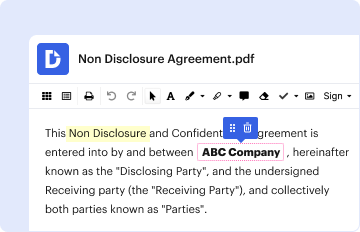
"Form online" refers to the digital version of traditional paper forms that have been adapted for completion and submission through electronic means. This modern approach simplifies the process of gathering and processing information, allowing users to fill out, edit, and submit forms using internet-enabled devices. The transition from paper to digital forms enhances accessibility and efficiency, meeting the increasing demand for convenience in personal and professional tasks. This online format caters to various needs, including applications, surveys, contracts, and document submission requirements.
How to Use the Form Online
Using forms online involves several key steps aimed at ensuring accurate completion and submission. Initially, users must access the required form via a web platform or document management service such as DocHub. Key functionalities enable users to enter data directly into fillable fields, add digital signatures, and attach supplementary documents if needed. An intuitive interface guides users through each section, often with embedded instructions to prevent errors. Once completed, the form can be reviewed, corrected if necessary, and submitted electronically, streamlining tasks that traditionally involved mailing or faxing documents.
Steps to Complete the Form Online
- Navigate to the platform that hosts the form online, such as DocHub.
- Open the specific form you need to complete.
- Input your information into the required fields. Common fields include personal details, dates, and checkboxes.
- If applicable, use the annotation tools to highlight or comment on specific sections.
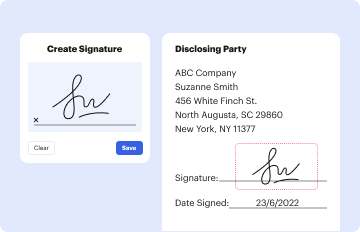
- Apply an electronic signature in designated areas using available options, such as typing, drawing, or uploading an image of your signature.
- Review your entries to ensure accuracy and completeness.
- Submit the form, choosing to save a copy for your records via download or email confirmation.
Important Terms Related to Form Online
Understanding the terminology related to forms online is crucial for proper usage:
- Fillable Fields: Editable areas in a form where users enter information.
- Digital Signature: An electronic method of signing a document that is legally binding.
- Encryption: Security measure to protect data integrity and privacy.
- Cloud Storage: Online services where documents are stored securely for easy access and sharing.
- OAuth: An open standard for access delegation, often used as a way to ensure secure authorization.
Legal Use of the Form Online
Forms completed online hold the same legal weight as traditional paper forms, particularly when it includes legally binding electronic signatures. Compliance with regulations like the ESIGN Act enforces authentication protocols and data encryption, ensuring both the validity and security of information submitted. Such forms are accepted in various legal and official contexts, from signing contracts to submitting government applications, provided they meet the required standards.
Key Elements of the Form Online
A well-designed online form contains certain critical elements:
- Clear Instructions: Guides users on how to complete each section.
- Mandatory Fields: Ensure essential information is provided before submission.
- Data Validation: Automatically checks entries for correct formatting, reducing errors.
- User Authentication: Confirms the identity of the person filling out the form.
- Editable Format: Allows pre-filled forms to be updated as needed.
Examples of Using the Form Online
Various professionals frequently utilize online forms in:
- Human Resources: For collecting employee information, timesheets, and benefits selections.
- Tax Submission: Individual taxpayers e-file their IRS forms for quick processing.
- Legal Contracts: Parties sign agreements remotely without needing physical meetings.
- Educational Enrollment: Students submit applications and registration forms online.
- Customer Feedback: Businesses collect survey data and product reviews through online forms.
Form Submission Methods (Online / Mail / In-Person)
Forms online offer multiple submission options, with electronic submission being the most efficient:
- Online: After completing the form, users submit it digitally through the platform's submission tool, instantly delivering the document to the intended recipient.
- Mail: For certain applications, users may need to print the completed online form and mail a physical copy.
- In-Person: Some forms require physical submission directly at an institution or government office, even if initially completed online.
Required Documents for Form Online
Filling out forms online may necessitate the attachment of additional documents to support the information provided:
- Identification: Such as a driver’s license or passport, often for verification purposes.
- Proof of Address: Utility bills or official correspondence to confirm residency.
- Financial Statements: Bank statements or tax returns for financial disclosures.
- Legal Certifications: Depending on the form's purpose, additional certifications might be requested to authenticate the user's claims.