





Definition & Meaning
The term "form online" refers to the process of creating, completing, and submitting documents digitally through internet-based platforms. This method leverages technology to streamline traditional paperwork, allowing users to manage forms efficiently without the need for physical copies. Forms can range from simple survey submissions to complex legal documents requiring detailed information and multiple signatories.
Online forms offer a wide array of features that include, but are not limited to, fillable fields, digital signature options, automated data collection, and real-time collaboration. They are particularly advantageous in professional environments where accuracy, speed, and security are paramount. By digitizing the form-filling process, organizations can enhance workflows, reduce errors, and ensure compliance with regulatory requirements.
How to Use the Form Online
Using a form online involves several key steps to ensure a smooth completion process. First, access the online platform that hosts the desired form. This can often be done directly via a web browser without additional software installations. After opening the form, review its instructions to understand the required information and format.
Next, begin filling out the form by entering data into the designated fields. Many platforms offer intuitive interfaces with smart fields that automate certain inputs or provide helpful suggestions based on previously entered information. For instance, address fields might auto-complete once the ZIP code is entered. Review each section of the form for accuracy before proceeding to the submission phase.
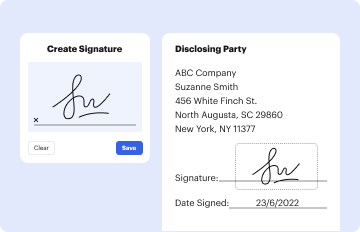
Lastly, if the form requires signatures or additional verification, use any available e-signature tools to complete this step. Platforms like DocHub offer various signature options, including drawing, typing, or uploading a pre-existing signature. After submitting the form, you may receive a confirmation or reference number, which should be saved for record-keeping and any future correspondence.
Steps to Complete the Form Online
-
Access the Form: Navigate to the platform hosting your required form. Ensure you have a stable internet connection for uninterrupted access.
-
Review Instructions: Carefully read any accompanying instructions or guidelines. These are often located at the top or beginning of the form.
-
Enter Your Information: Begin filling out your personal or business details. Use the provided fields and check for form-specific requirements, such as character limits or mandatory fields.
-
Attach Required Documents: If necessary, attach any supporting documents by uploading them in the specified formats, commonly PDF, DOCX, or JPG.
-
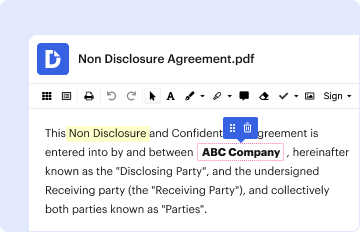
Add Comments or Annotations: Utilize any available tools to add comments or annotations for clarification, especially if the form will be reviewed by multiple parties.
-
Apply Digital Signatures: Complete the form by signing electronically. Ensure that the platform used complies with legal e-signature standards to maintain the form’s validity.
-
Submit and Save Confirmation: Submit the completed form. Save a copy of the confirmation page or email as proof of submission.
Key Elements of the Form Online
-
Fillable Fields: These are interactive elements that allow users to input data directly into the form, ranging from text boxes and checkboxes to dropdown menus and date selectors.
-
Validation Rules: Forms may include validation mechanisms to ensure data integrity. For example, an email field might automatically check for the correct format.
-
Progress Indicators: Many online forms provide progress bars or section counters to help users navigate large forms with multiple pages or sections.
-
Secure Submission Portal: Ensures that data is transmitted securely, often through encryption standards like SSL, which protect the information from unauthorized access during transmission.
-
Responsive Design: Allows users to complete forms on various devices, ensuring that all elements are accessible and perform consistently on desktops, tablets, and smartphones.
Legal Use of the Form Online
Online forms are a legitimate means of conducting transactions and agreements when used in compliance with relevant legal standards. In the United States, the ESIGN Act and the Uniform Electronic Transactions Act (UETA) provide a legal framework ensuring that electronic signatures and records have the same validity as paper documents.
For a form online to be legally binding, it must include specific elements such as consent from parties involved, intent to sign, a reliable method of rendering the signature, and a system to capture and retain the integrity and authenticity of the signed document.
Who Typically Uses the Form Online
Online forms cater to a broad audience, from individual users requiring simple transactions to large organizations managing complex regulatory or compliance requirements. Typical users include:
- Businesses: For contract management, supplier evaluations, and client onboarding processes.
- Educational Institutions: For student enrollments, course registrations, and feedback mechanisms.
- Government Agencies: For tax submissions, license applications, and public services.
- Healthcare Providers: For patient intake forms, consent forms, and medical history records.

State-Specific Rules for the Form Online
Although many online forms adhere to federal guidelines, state-specific regulations may apply, particularly in legal or tax-related documents. For instance, state laws might dictate aspects like notarial requirements for certain forms or variations in data protection laws.
It is essential to verify that any online form, especially those related to legal or financial matters, is compliant with both federal and state-specific requirements. Users should consult relevant legal resources or professional advisories specific to their state for comprehensive guidance.
Digital vs. Paper Version
The transition to digital forms offers several advantages over traditional paper forms:
- Efficiency: Streamlines the data entry process by eliminating manual input and potential transcription errors.
- Environmental Impact: Reduces paper usage, which contributes positively to environmental sustainability.
- Accessibility: Allows users to fill forms from virtually anywhere, provided they have internet access, rather than being reliant on physical locations.
- Real-time Updates: Enabling instant corrections and updates without needing to reprint entire documents.
Despite these advantages, organizations must opt for digital alternatives that ensure data privacy, compliance, and integrity to fully realize these benefits.