Equipment and Vehicle Replacement Plan 2026

Get Form
Equipment and Vehicle Replacement Plan Preview on Page 1

Here's how it works

01. Edit your form online
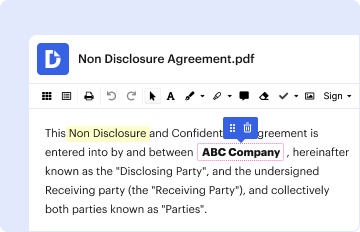
Type text, add images, blackout confidential details, add comments, highlights and more.
02. Sign it in a few clicks
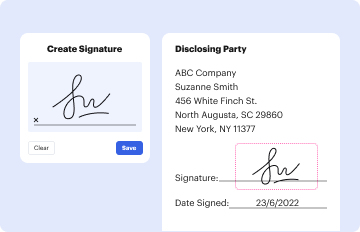
Draw your signature, type it, upload its image, or use your mobile device as a signature pad.
03. Share your form with others
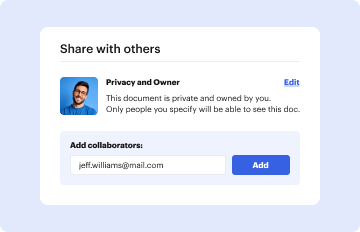
Send it via email, link, or fax. You can also download it, export it or print it out.

How to use or fill out Equipment and Vehicle Replacement Plan with our platform

Form edit decoration
9.5
Ease of Setup
DocHub User Ratings on G2
9.0
Ease of Use
DocHub User Ratings on G2
  1. Click ‘Get Form’ to open the Equipment and Vehicle Replacement Plan in the editor.
  2. Begin by filling out the 'Strategic Plan Goal' section. Clearly state how your proposal aligns with support services and the overall mission of your organization.
  3. In the 'Problem Statement' field, describe the current issues with outdated equipment and vehicles. Be specific about what needs replacement and why it is critical for operational efficiency.
  4. Move to the 'Case Statement' section. Here, outline the benefits of implementing a replacement lifecycle, emphasizing safety, cost efficiency, and educational value.
  5. Identify stakeholders in the designated area. List primary beneficiaries such as students and employees, along with secondary stakeholders like community members.
  6. Complete the 'Scope of Work' section by detailing immediate tasks involved in developing a replacement plan. Include collaborative processes that will engage all staff.
  7. Fill out 'Success Criteria and Goal Statements' by defining measurable outcomes for each phase of implementation over specified timelines.
  8. Finally, attach any relevant documents using the file attachment feature to support your proposal.

Start using our platform today to streamline your Equipment and Vehicle Replacement Plan for free!

be ready to get more

Complete this form in 5 minutes or less

Get form

Got questions?

We have answers to the most popular questions from our customers. If you can't find an answer to your question, please contact us.
Contact us
When buying and selecting vehicles for your fleet, there are four main considerations: Operational needs. It is vital to consider the suitability of a vehicle for a fleet drivers job function and operational needs. Costs. Costs can play a significant role in fleet selection. Safety and technology. Environmental impacts.
The average lifespan of a fleet vehicle is usually between three and five years, depending on the make and model. During that time, the vehicles value depreciates steadilyso if you wait too long to sell, you wont get as much money for it.
Traditionally many fleets rotate vehicles out every three to five years or 60,000-100,000 miles as a matter of company policy. While this predictable cycle helps optimize lifetime costs, we are now seeing many vehicles easily being able to cover this amount of mileage without the urgent need for replacement.
Replacing fleet vehicles depends on age, mileage, use, and safety features. Generally, you want to replace your light-duty vehicles every four years or around 100,000 miles. However, for medium-duty to heavy-duty vehicles, times can vary greatly due to the variety of factors involved.
It normally consists of: A list of assets that need to be maintained, with historical and manufacturer information. The whereabouts and detailed information on spare parts. In-house and external personnel with their skills and experience. Maintenance tasks with instructions.