





Definition and Meaning
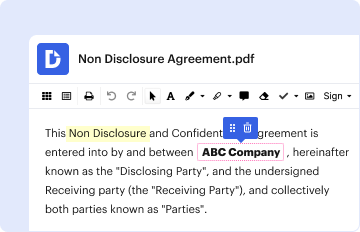
Understanding what an online form entails is crucial for effective use. Online forms are digital versions of traditional paper forms. They allow users to input information through a web interface, making processes like data collection more efficient and accessible. Online forms are often used for applications, registrations, surveys, or any process that requires structured data input. They offer interactive elements such as text fields, checkboxes, radio buttons, and dropdown menus, enhancing the user's ability to submit accurate information quickly.
How to Use the Form Online
Using an online form involves several steps, ensuring accuracy and efficiency in data collection.
-
Access the Form: Begin by navigating to the website hosting the form, such as DocHub. Verify that you have a stable internet connection for uninterrupted access.
-
Fill in Required Fields: Carefully enter your information into each field. Required fields usually have an asterisk (*) to indicate necessity. Incorrect entries may prevent successful submission.
-
Select Relevant Options: Use dropdown menus or checkboxes to choose your options where applicable. Ensuring that these selections are accurate will avoid re-submissions.
-
Attach Supporting Documents: If needed, upload files by selecting ‘Upload’ or ‘Attach’ buttons on the form. Supported formats often include PDFs, DOCs, or image files.
-
Review and Submit: Before submission, double-check all entered data for mistakes. Once satisfied, click the ‘Submit’ button to send your information to the intended recipient.
How to Obtain the Form Online
Securing access to an online form is straightforward but requires attention to detail.
-
Visit the Provider's Website: Online forms are generally hosted on official websites. Search for the necessary form directly through the site’s search feature or navigate via its menu.
-
Register for Access: Some forms require registration or a user account. Provide necessary information, like your email, to proceed.
-
Download or Access Directly: Depending on the setup, you may either download the form for offline use or fill it out directly on the website.
Steps to Complete the Form Online
Successfully completing an online form involves several critical steps:
-
Preparation: Gather all required information and supporting documents before starting the form to save time and avoid interruptions.
-
Filling Out the Form: Enter the information requested, with attention to accuracy. Utilize features like auto-fill to expedite this process but verify all auto-fill entries.
-
Verification: After filling in the required fields, review the information for accuracy, ensuring all mandatory fields are completed and optional fields are filled as needed.
-
Submission: Once verified, submit the form by following the website’s provided process. You may receive a confirmation number or email upon successful submission for your records.
Why You Should Form Online
Filling forms online provides numerous benefits:
- Convenience: Forms are accessible 24/7 from any location, eliminating the need for in-person visits or postal delays.
- Time Efficiency: Real-time data entry and submission streamline the process and shorten response times.
- Environmental Benefits: Utilizing digital forms reduces paper use, supporting sustainability efforts.
Who Typically Uses the Form Online
Online forms cater to a diverse audience:
- Individuals: For personal applications or registrations, such as tax submissions or job applications.
- Businesses: For client onboarding, lead collection, and feedback assessments.
- Educational Institutions: For student registrations, surveys, and feedback.

Legal Use of the Form Online
Legal considerations when using online forms include:
- Data Protection Compliance: Forms should comply with data protection laws like GDPR or the CCPA, ensuring user data is handled responsibly.
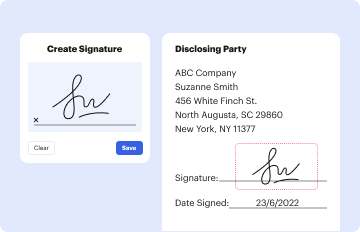
- Digital Signature Legality: Ensure electronic signatures are legally recognized, as is the case with DocHub's ESIGN Act compliance.
- Confidentiality Agreements: Forms handling sensitive information may require acknowledgment of confidentiality terms by users.
Key Elements of the Form Online
Understanding key elements of an online form enhances usability:
- Interactive Fields: Ensure fields are intuitive and prompt for accurate data entry.
- Validation Features: Immediate feedback upon incorrect input guides users towards correction before submission.
- Accessibility Options: Compatibility with assistive technologies ensures forms are usable by all individuals, regardless of disability.
Examples of Using the Form Online
Real-world scenarios of online form usage include:
- Job Applications: Online forms streamline the process, allowing for easy application submission and tracking.
- Tax Filings: E-filing forms expedite the tax submission process, offering quick confirmation and processing.
- Surveys and Feedback: Collecting user feedback through online forms enables real-time analysis and faster response times.
Form Submission Methods (Online/Mail/In-Person)
Submission methods vary based on form type:
- Online: Immediate and efficient, allowing for quick confirmation and processing times.
- Mail: Suitable for submissions requiring original copies or signatures not eligible for digital signing.
- In-Person: Useful for forms requiring physical verification or for users without digital access.
Penalties for Non-Compliance
Non-compliance with form submission can lead to:
- Late Fees: Particularly relevant for tax-related forms.
- Legal Consequences: For forms related to regulations, like employment law documentation or environmental compliance.
- Loss of Benefits: Such as delayed application processing or fund disbursement. Complying with deadlines is crucial for avoiding these penalties.
Digital vs. Paper Version
Choosing between digital and paper forms depends on various factors:
-
Digital Forms: Offer ease of use, accessibility, and quick submission, ideal for tech-savvy users.
-
Paper Forms: Necessary for users without reliable internet access or in official situations requiring physical documentation.
Each method carries unique advantages and considerations, making understanding both options valuable.
Software Compatibility
Certain software products enhance online form processes:
- Tax Filing Software: Like TurboTax or QuickBooks, syncing directly with government tax forms.
- Document Management Systems: Support seamless data transfers and storage, integrating platforms like DocHub with Google Workspace for streamlined operations.
Compatibility enhances user efficiency and form management effectiveness in both professional and personal applications.