





Definition and Meaning of Form Online
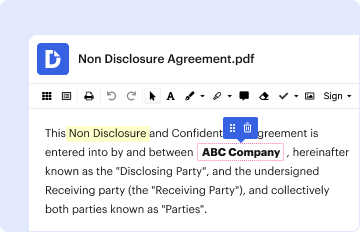
The term "form online" refers to the digital representation and management of forms via the internet. This concept involves the creation, editing, completion, and submission of forms directly through web-based platforms. Unlike traditional paper forms, online forms provide enhanced interaction, such as automatic data validation, user guidance, and seamless integration with digital storage. Online forms are commonly used for tasks that require user input, data collection, and processing, such as applications, registrations, and surveys, ensuring efficiency and convenience in a digital-first world.
How to Use the Form Online
Using a form online typically involves several straightforward steps designed to facilitate a user-friendly experience:
-
Access the Form: Navigate to the specific online platform hosting the form, such as a government website for tax forms or a company's site for employment applications.
-
Read Instructions Carefully: Begin by reviewing any instructions or guidelines provided to understand the requirements and ensure accurate completion.
-
Input Information: Fill in the required fields, which may include text boxes for personal information, checkboxes for selection, and drop-down menus for options.
-
Review Your Entries: Check all entered information for accuracy and completeness to avoid submission errors or delays.
-
Submit the Form: Upon completion, follow the platform's protocol for submitting your form, such as clicking a "Submit" button to send your information for processing.
Steps to Complete the Form Online
Completing an online form involves several detailed steps, designed to ensure accuracy and efficiency:
-
Sign In/Register: If the platform requires an account, sign in with existing credentials or register for a new account to gain access.
-
Select the Form Type: Navigate to the form catalog or dashboard and select the appropriate form for your needs, such as a tax return or application form.
-
Data Entry: Methodically enter all requested information, ensuring correct spelling, format, and data integrity. Use guidance prompts when available for clarity.
-
Upload Documents: Some forms may require supporting documents. Use the upload feature to attach necessary files, adhering to size and format specifications.
-
Final Review and Confirmation: Conduct a thorough review of all entries and documents. Confirm submission details, such as readiness for processing and recipient information, before finalizing your application.
Key Elements of the Form Online
Key elements that compose an online form often include:
-
Input Fields: Text boxes, radio buttons, and drop-down menus designed to capture a wide range of data from users.
-
Instructions: Clearly defined guidelines and prompts to help users understand how to complete the form accurately.
-
Validation Mechanisms: Automated checks that detect errors or omissions in user input, such as incorrect data formats or missing required fields.
-
Submission Button: A dedicated button that users activate to send their completed form to the intended recipient or system for processing.
Legal Use of the Form Online
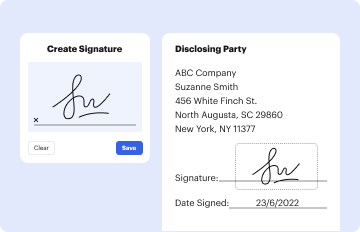
The legal use of online forms is governed by relevant laws and regulations, ensuring that digital agreements and submissions hold the same weight as their paper counterparts. For example, e-signatures used in online forms must comply with legal standards such as the ESIGN Act to be recognized as valid. Additionally, privacy laws such as GDPR or HIPAA may dictate how collected data is handled, stored, and protected, depending on the form’s nature and audience.
Important Terms Related to Form Online
Several terms are critical to understanding online forms:
-
E-signature: An electronic method of signing that is legally binding and recognized by laws like the ESIGN Act.
-
Data Encryption: The process of encoding data to protect it from unauthorized access during digital transmission.
-
Multi-factor Authentication: A security process requiring more than one method of authentication to verify the user's identity when accessing a form.
State-Specific Rules for Forms Online
Online forms may be subject to state-specific rules that can influence their content, usage, and submission process. These variations can result from differing state laws or regulations regarding the collection and processing of personal data. For example, tax forms may have state variants that reflect state-specific tax codes or deadlines, influencing how forms are utilized and filed by residents within those jurisdictions.
Digital vs. Paper Version of Forms
Digital and paper forms each have unique characteristics:
-
Digital Forms: Offer interactive features, instant submission, and automatic data validation, streamlining the completion process and reducing the likelihood of errors.
-
Paper Forms: Require manual completion and physical submission, often involving printing and postal delays. However, they can be necessary in scenarios where digital access is restricted or unsupported.
Who Typically Uses the Form Online
Online forms are utilized by a broad spectrum of users, including:
-
Individuals: Completing tasks like applying for benefits, submitting job applications, or filing taxes.
-
Businesses: Gathering data from clients or employees through surveys, contracts, or order forms.
-
Government Agencies: Collecting public information for services, statistics, and compliance purposes, necessitating robust online form platforms.


Examples of Using Form Online
Examples of form online usage encompass the following scenarios:
-
Applying for College Admission: Prospective students can complete and submit their college application forms online, including required essays and personal information.
-
Job Applications: Aspiring employees complete and submit online applications for vacant positions, benefiting from features like autofill and uploadable resumes.
-
Customer Feedback: Businesses leverage online forms to solicit customer feedback on products or services, using customizable form templates to capture specific insights.
Required Documents for Form Online
When completing an online form, certain documents may be required to verify information or provide additional context. For example, a social security card may be needed for employment forms, while proof of residence might be required for a state-specific tax form. Always check the form's instructions for a list of required documents, ensuring they meet any specified format and size criteria before uploading.