







Definition and Meaning
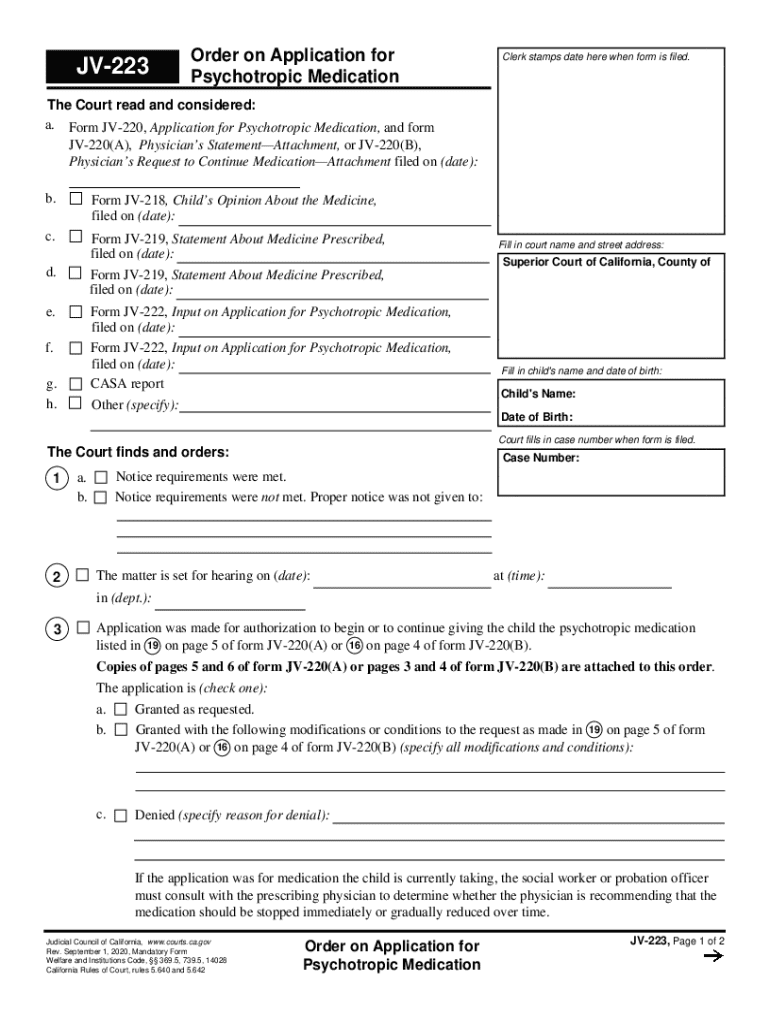
The "Psychotropic Medication: Authorization, Review - DCFS Policy" is a formal document utilized by the Department of Children and Family Services (DCFS) to manage and oversee the authorization and review process of psychotropic medications for minors under their care. This policy ensures that any prescribed psychotropic medications are carefully evaluated, aligning with the agency's commitment to the health and well-being of children. The policy defines procedures for application, authorization, and regular review, focusing on informed consent and tailored medical care.
Key Elements
- Authorization: The document outlines the process by which medication prescriptions are reviewed and authorized. It requires detailed information from healthcare providers to ensure the appropriateness and necessity of medication.
- Review: Regular reviews are mandated to assess the ongoing suitability of the medication, evaluating its effectiveness and any potential side effects.
- Stakeholders Involved: This includes social workers, healthcare providers, and legal guardians.
How to Use the Psychotropic Medication: Authorization, Review - DCFS Policy
To effectively use this policy, parties involved must be familiar with its structure and requirements. Understand the roles of each involved party and the detailed steps necessary for medication authorization and review. Users should also have a grasp of the timelines and documentation required throughout the process.
Steps to Complete the Psychotropic Medication: Authorization, Review - DCFS Policy
- Initiation: Begin with a comprehensive evaluation by a qualified healthcare provider who recommends medication.
- Documentation: Fill out the necessary forms, providing details such as the child's medical history and proposed medication plan.
- Submission: Submit the completed forms to the designated DCFS authority for initial review.
- Review Process: Engage with DCFS and other stakeholders to discuss the medication plan and address any questions.
- Authorization: Upon satisfactory review, receive official authorization for medication use.
- Ongoing Assessment: Regularly participate in follow-up sessions to evaluate the medication’s effects and make necessary adjustments.
Why Use the Psychotropic Medication: Authorization, Review - DCFS Policy
Using this policy ensures a structured and legal process for prescribing psychotropic medication, focusing on the child's best interests. It provides a framework for accountability, ensuring that all parties are informed and involved in the decision-making process. Adherence to this policy helps protect the child’s health by preventing unauthorized or inappropriate medication use.
Who Typically Uses the Psychotropic Medication: Authorization, Review - DCFS Policy
The policy is primarily used by social workers, healthcare providers, and legal guardians involved in the care of children under DCFS supervision. These individuals collaborate to ensure that the prescribed psychotropic medication serves the child's health needs effectively and safely.


Important Terms Related to Psychotropic Medication: Authorization, Review - DCFS Policy
- Consent: Legal and informed approval from guardians or the child’s advocate before medication administration.
- Review Board: A group of experts who evaluate and authorize the use of psychotropic medication in children under care.
- Medication Plan: A detailed outline of the recommended psychotropic medication, including dosage, administration method, and expected outcomes.
State-Specific Rules for the Psychotropic Medication: Authorization, Review - DCFS Policy
The policy may vary slightly depending on each state’s child welfare regulations. It's essential for stakeholders to be aware of local laws and how they influence the medication authorization process. Differences in procedural requirements or timelines might exist, and understanding these distinctions is crucial for compliance.
Legal Use of the Psychotropic Medication: Authorization, Review - DCFS Policy
The policy strictly aligns with legal standards and requirements for psychotropic medication use in children. It ensures a transparent process, reducing risks of liability for involved parties by documenting every step from authorization to ongoing review. Compliance with this policy is mandatory to avoid legal repercussions and to uphold ethical care standards.
Examples of Using the Psychotropic Medication: Authorization, Review - DCFS Policy
- Case Study A: A ten-year-old child diagnosed with ADHD is evaluated for medication. Following the policy ensures the right medication is chosen with regular assessments to prevent side effects.
- Case Study B: A social worker identifies a need for medication review in a foster care child. The policy guides them through the process of obtaining the necessary authorizations and making informed decisions.
Each example underscores the importance of adherence to the established policy framework in real-world scenarios, illustrating the policy's role in safeguarding child welfare while managing psychotropic medication use comprehensively.




