





Definition & Meaning
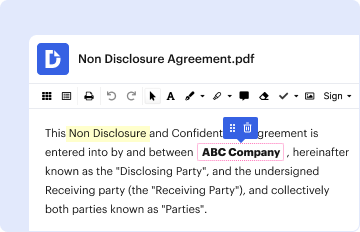
The term "form online" generally refers to electronic or digital forms that can be accessed, filled out, and submitted via the internet. This modern approach to handling forms eliminates the need for physical paperwork and streamlines processes across various applications, including legal, business, and governmental transactions. The purpose of forms online is to enhance efficiency, improve accessibility, and reduce the time required for tasks that previously involved manual data entry and physical document handling.
Practical Examples
- Tax Returns: Filing taxes has traditionally involved a significant amount of paperwork. Online tax forms allow individuals and businesses to submit their information electronically, ensuring quick processing and immediate confirmation of receipt.
- Job Applications: Many companies leverage online forms to manage applications. This allows potential employees to submit their resumes, cover letters, and additional information through a comprehensive digital platform.
- Rental Agreements: Landlords and tenants can utilize online forms to formalize lease agreements, saving time and expediting the rental process.
How to use the form online
Using online forms effectively requires a basic understanding of digital interfaces and the tools available for filling out these forms. Most online forms are designed with user-friendly interfaces to ensure accessibility for all users, regardless of their technical expertise.
Step-by-Step Guidance
-
Access the Form: Begin by visiting the website that hosts the form online. This is usually provided by the organization requesting the information.
-
Review Instructions: Before filling out the form, carefully read any instructions or guidelines provided to understand the required fields and submission process.
-
Complete Required Fields: Fill in all necessary data fields. Online forms often highlight required fields with an asterisk or different color.
-
Attach Supporting Documents: If needed, upload any required supporting documents, such as identification, proof of income, or certificates.
-
Review Your Entries: Double-check your entries to avoid errors that might delay processing.
-
Submit the Form: Click the submit button to send your completed form. Some systems provide confirmation that your submission was received, either immediately on-screen or via email.
Steps to complete the form online
Completing a form online is typically intuitive, thanks to user-centered design principles. The process is aimed at minimizing errors and guiding the user through necessary actions logically.
Detailed Process
-
Login or Register: Some platforms may require account creation for tracking and future access to submitted forms.
-
Data Input: Enter personal details and other form-specific information. Often, forms allow for data auto-fill if accessed through a logged-in account.
-
Use Built-in Tools: Take advantage of features like calendars for date selection or dropdown menus for predefined options. These tools help standardize input and prevent formatting errors.
-
Save Progress: Many forms online provide the option to save progress, which is crucial for lengthy forms, allowing users to return and complete the form at a later time.
-
Submit and Confirm: After completion, ensure you receive a confirmation notice. Some services may provide a reference number or email confirmation, which should be kept for future reference.
Why should you form online
Opting for forms online offers numerous benefits over traditional paper-based forms. The digitization of forms supports efficient, eco-friendly, and expedited processes.
Advantages
- Efficiency: Automation reduces processing time, thereby accelerating transactions.
- Accessibility: Forms can be accessed from anywhere with an internet connection, enabling flexible completion and submission.
- Cost-Effectiveness: Reduces costs associated with printing, mailing, and storing paper documentation.
- Audit Trails: Provides digital records that can be tracked for compliance and future reference.
Who typically uses the form online
Online forms are utilized by a wide array of users spanning various industries and sectors. Their application is universal and increases operational efficiency in numerous contexts.


Common Users
- Businesses: For operational processes like client onboarding, HR tasks, and financial reporting.
- Educational Institutions: For handling student enrollments and feedback collection.
- Government Agencies: In processing permits, voter registration, and filing taxes.
- Healthcare Providers: For patient information, insurance claims, and appointment scheduling.

Important terms related to form online
Understanding key terminology associated with online forms enhances usability and ensures correct application and processing of forms.
Essential Terms
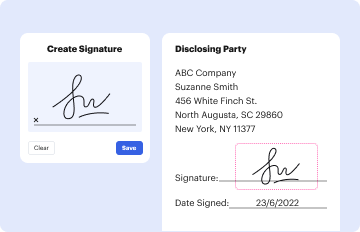
- E-Signature: A digital signature used to authenticate the identity of the signer.
- Encryption: The method of securing data transmitted over the internet to prevent unauthorized access.
- Auto-Fill Functionality: A feature that automatically imports user data into form fields to increase convenience and accuracy.
- Responsive Design: Ensures that forms are accessible and visually consistent across various devices and screen sizes.
Key elements of the form online
Online forms are structured with core components that ensure thorough and efficient data collection.
Primary Components
- Form Fields: Includes text boxes, checkboxes, and dropdown menus for user input.
- Instructional Text: Provides guidance on how to complete the form accurately.
- Validation Checks: Ensures that the input data meets certain criteria before submission, reducing data entry errors.
- Submit Button: Finalizes the entry process and forwards the data to the receiving entity.
Software Compatibility
Online forms are designed to be compatible with various software systems to facilitate seamless interaction and integration within existing digital frameworks.
Compatible Platforms
- Google Workspace: Allows creation and sharing of forms directly through Google Docs, Sheets, and Drive.
- Microsoft Office 365: Supports form creation via tools like Microsoft Forms, PowerPoint, and Excel.
- Tax Software: Applications like TurboTax and QuickBooks can integrate with online forms for streamlined tax filing and financial management.
Including these points will ensure a comprehensive understanding of "form online,” addressing its definition, usage, benefits, targeted users, and technological aspects critical for a seamless digital form experience.