




Definition & Meaning
Understanding the concept of completing a form online is crucial in today's digital-first world. A form online refers to any document that is created, filled, or submitted through the internet rather than on paper. This digital approach allows for greater efficiency, decreased processing times, and the convenience of submitting forms from anywhere at any time. In the context of platforms like DocHub, forms can be easily customized, distributed, and managed, simplifying processes for both individuals and organizations.
Steps to Complete the Form Online
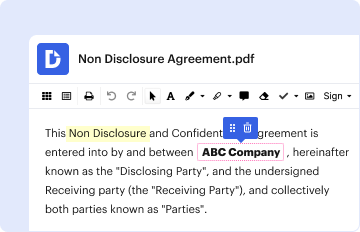
Completing a form online typically involves several straightforward steps, ensuring the process is user-friendly and efficient. The following is a typical sequence for online form completion:
- Access the Platform: Begin by logging into a document management tool like DocHub where the form is hosted.
- Select the Form: Locate the specific form you need from the available templates or import one from your device.
- Fill in Required Information: Enter all necessary details in the appropriate fields. These may include text boxes for personal information, checkboxes for selection, and dropdown menus for specific options.
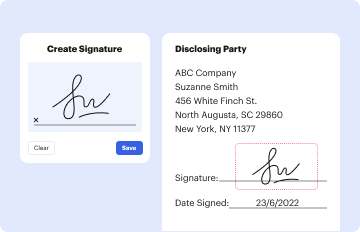
- Add Signatures if Required: Utilize electronic signature features for legal validation, choosing from options like drawing, typing, or uploading a signature file.
- Review and Finalize: Double-check all entered information for accuracy and completeness.
- Submit the Form: Once the form is filled out, submit it through the platform's online system, which might send it directly to the intended recipient or agency.
Why You Should Form Online
Filling forms online offers various benefits that are both practical and strategic for users. The key advantages include:
- Time Efficiency: Completing forms online reduces the need for travel to submit documents in person and minimizes waiting periods.
- Cost-Effective: It eliminates costs associated with printing and mailing physical forms.
- Enhanced Accuracy: Digital forms often include field validations that reduce errors and improve data accuracy.
- Easier Record Keeping: Digital submissions facilitate easier archiving and retrieval of forms for future reference.
- Environmental Impact: Opting for digital forms lessens paper usage, supporting eco-friendly practices.
Key Elements of the Form Online
Online forms come with essential elements that ensure effective data capture and processing:
- Text Fields: These are areas where users can input information such as names, addresses, and other personal data.
- Checkboxes: Useful for selecting one or more options from a list, checkboxes streamline user responses.
- Signature Fields: Designated spaces for electronic signatures that provide a legal sanction to the document.
- Date Pickers: Allow users to select dates from a dropdown calendar, minimizing date entry errors.
- Dropdown Menus: Enable users to choose from predefined options, ensuring standardization in responses.
Legal Use of the Form Online
Legal compliance is critical when creating and using forms online. Online forms like those managed on DocHub must follow legal standards such as the ESIGN Act, which ensures electronic signatures are legally recognized. Security measures like SSL encryption and two-factor authentication protect sensitive data, both in storage and during transmission. Users should always be aware of legal obligations to provide accurate and honest information when completing online forms.
Software Compatibility
When dealing with online forms, software compatibility plays an essential role in a seamless user experience. Platforms like DocHub support integration with common cloud services such as Google Drive, Dropbox, and OneDrive. This compatibility ensures that users can import and export forms effortlessly. Additionally, DocHub's integration with Google Workspace enhances its utility by allowing documents to be edited and shared without leaving the Google environment.
Form Submission Methods
Online forms offer several submission methods tailored to user convenience:
- Digital Submission: Most online forms are submitted directly through the host platform, which routes completed forms to the appropriate recipient automatically.
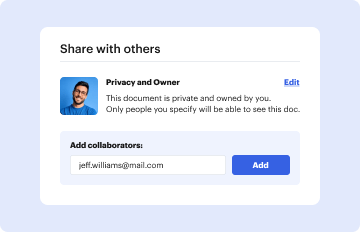
- Email Delivery: Users can often send completed forms via email directly from the platform.
- Download and Print: Some instances may still require a physical copy, allowing users to print and mail forms when necessary.
- Direct Upload: Certain systems may provide a direct upload portal for online submissions, particularly for government or corporate entities.
State-Specific Rules for the Form Online
Legal and administrative requirements for online forms can vary significantly between states in the U.S. Users should verify state-specific mandates, particularly for forms related to taxes, legal applications, or business registrations. Platforms like DocHub help streamline this process by offering templates and forms compliant with varying state requirements, making it easier for users to meet local legal standards.
Examples of Using the Form Online
Online forms cater to many needs across different sectors. Some common applications include:
- Tax Filing: Forms like W-2 and 1040 can be completed online, simplifying the tax submission process.
- Job Applications: Many companies use online forms to standardize the application process and ensure uniform data collection.
- Legal Approvals: Digital forms facilitate rapid approvals for legal documentation, such as affidavits and power of attorney forms.
- Insurance Claims: Filing claims online can expedite the processing of insurance documentation and reduce errors.
Business Types That Benefit Most from Form Online
Various business sectors find significant value in utilizing online forms due to their unique requirements:
- Startups and Small Businesses: These entities often need quick, cost-effective solutions for administrative tasks.
- Corporations: Large companies benefit from streamlined document workflows, which improve productivity and reduce operational delays.
- Legal Firms: Lawyers save time and improve accuracy by leveraging online forms for client documentation and filings.
- Healthcare Providers: Online forms allow for efficient patient form management and maintain compliance with health regulations.
Digital vs. Paper Version
Transitioning from paper forms to digital formats offers various benefits but also comes with considerations. Key differences include:
- Access and Convenience: Digital forms allow users to access and complete forms from any device with internet connectivity, unlike physical forms, which require in-person completion and submission.
- Data Security: Digital submissions provide enhanced security measures like encryption and access controls, while protecting sensitive information from physical loss or tampering.
- Environmental Impact: Digital forms incorporate eco-friendly practices by eliminating paper waste and reducing carbon footprints.
State-by-State Differences
Navigating state-by-state differences in form requirements is essential, especially for national entities dealing with compliance issues. Each state may have its own regulations that affect how forms are completed and submitted. Staying informed about local legal conditions ensures that forms meet all necessary criteria. Using a platform like DocHub offers pre-designed templates that adhere to state-specific standards, easing compliance burdens for users.
Key Takeaways
- Efficiency: Online forms reduce time and costs for document completion and submission.
- Flexibility: Users can access forms from any device, enabling work from anywhere.
- Security: Digital submissions provide better protection for sensitive data through encryption and authentication protocols.
- Compliance: Users must navigate state and federal laws regarding electronic submissions to ensure legal validity.
- Environmental Benefits: Transitioning to online forms supports sustainability efforts.