





Definition & Meaning
The "Formal Request Form" is a standardized document utilized for officially expressing a specific request to an organization or authority. This form is typically structured to capture essential information, enabling the recipient to understand the details and purpose of the request. By using a formal request form, users can streamline the communication process, ensure that all necessary information is included, and facilitate a prompt response. This document is particularly valuable in legal, corporate, and governmental contexts where precise and well-documented communication is essential for procedural compliance.
How to Use the Formal Request Form
Using a formal request form involves several steps to ensure the request is communicated effectively and efficiently. First, determine the precise nature of your request and gather any supporting documentation that will enhance your submission. Then, complete each section of the form with accuracy, ensuring that all required fields are filled. It is crucial to review the completed form for errors or omissions before submission. If applicable, attach any supplementary documents and follow the instructions for submission, which might include mailing, emailing, or submitting the form in person.
Steps to Complete the Formal Request Form
- Identify the Purpose: Clearly define the objective of the request in the appropriate section of the form.
- Gather Required Information: Collect all necessary personal, organizational, or transactional details pertinent to the request.
- Complete Personal Details: Enter personal information, such as name, address, contact information, and any identification numbers required.
- Detail Your Request: Provide a detailed description of your request, including relevant dates, items, or services.
- Attach Supporting Documents: If needed, include copies of related documents that support or justify the request.
- Review and Confirm: Carefully check all entries for accuracy and completeness.
- Submit the Form: Follow the specified submission process, including any fees if applicable, to ensure timely processing of your request.
Key Elements of the Formal Request Form
- Requester Information: Includes details like name, address, and contact information to identify the person making the request.
- Request Description: A section devoted to outlining the specific items, actions, or decisions being requested.
- Reason for Request: Explanation of why the request is necessary or beneficial, providing context and justification.
- Submission Details: Instructions for how and where to submit the form, including any deadlines or fees.
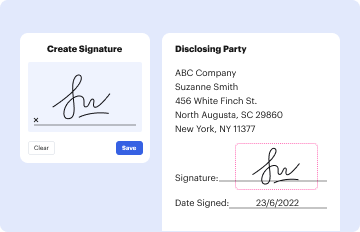
- Signature and Date: A space for the requester to sign and date the form, confirming the authenticity and accuracy of the request.
Legal Use of the Formal Request Form
In legal scenarios, the formal request form serves as an important tool for documentation and compliance. Submitting a formal request can initiate processes defined by legal standards or regulatory requirements. These forms might be used to request records, access services, or initiate legal actions in compliance with established protocols. The formal documentation provided by these forms becomes part of the official record, often utilized in court proceedings or for regulatory audits.
Important Terms Related to Formal Request Form
- Petitioner: The individual or entity presenting the request.
- Respondent: The authority or organization receiving and responding to the request.
- Submission Date: The date on which the form is officially filed or submitted.
- Compliance: Adherence to rules, guidelines, or laws that govern the formal request.
- Documentation: Any additional paperwork or evidence supporting the request.
Who Typically Uses the Formal Request Form
Formal request forms are commonly employed across various sectors, including corporate settings for internal requests, legal departments for procedural authenticity, government agencies for public service access, and educational institutions for administrative needs. These forms cater to individuals, business entities, legal professionals, and organizations that require documented and structured communication.


State-Specific Rules for the Formal Request Form
Different U.S. states may have specific requirements or variations in their formal request forms based on local regulations or administrative practices. Familiarizing oneself with the state-specific instructions is essential for ensuring the request is valid and capable of being processed effectively. Factors such as additional fields, unique submission procedures, or varied processing times may apply, and it is advisable to consult local agency guidelines or legal expertise when needed.
Examples of Using the Formal Request Form
- Record Requests: Individuals requesting access to their personal records from a government database.
- Service Proposals: Companies submitting requests for proposal (RFP) to compete for government contracts.
- Educational Transfers: Students applying for official transfer of credits between educational institutions.
- Legal Inquiries: Attorneys seeking official documents or information during pretrial discovery.
Form Submission Methods (Online / Mail / In-Person)
The method of submission can vary based on the nature and context of the request. Many forms now offer online submission options for convenience and speed, allowing requests to be filed electronically via a secure platform. Alternatively, forms can be mailed to the respective authority or submitted in person, especially where original signatures or notarizations are required. Users should follow the specified method based on the form type and directives outlined by the issuing body.