





Definition & Meaning
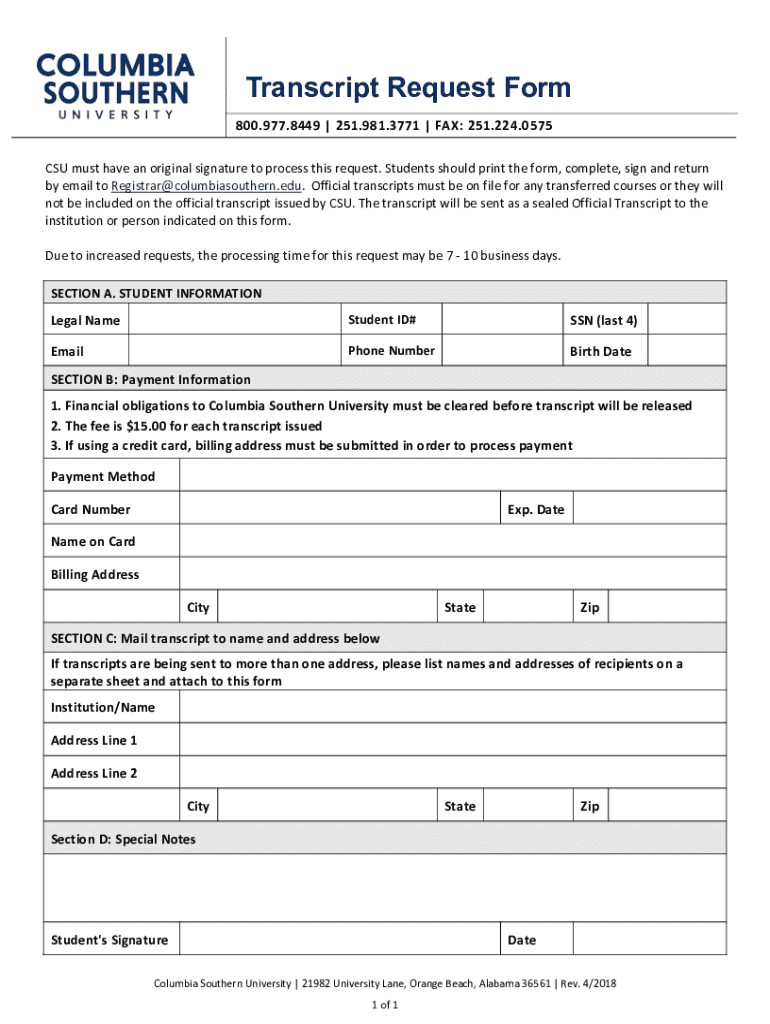
Understanding the concept of conducting actions using a "form online" is essential in today's digital age. Forms online refer to digital versions of traditional paper forms that can be accessed, completed, and submitted via the internet. They serve a wide array of purposes, from applications and surveys to registrations and requests for information. The transition from paper-based to online forms has significantly streamlined processes, allowing for quicker data collection and processing while reducing paper waste and handling errors.
How to Use the Form Online
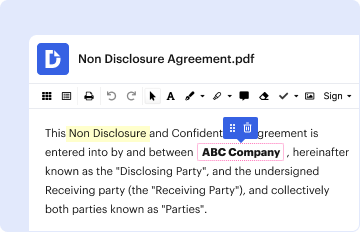
To efficiently use a form online, the user typically starts by accessing the website or application hosting the form, such as DocHub. A step-by-step procedure generally includes:
-
Access the Form: Navigate to the correct webpage or application where the form is available.
-
Read Instructions: Carefully review any instructions or guidelines provided to ensure accurate completion.
-
Enter Information: Input the required information in the designated fields, which might include text boxes, dropdown menus, and checkboxes.
-
Review and Edit: Double-check all entries for accuracy and edit as necessary before submission.
-
Submit the Form: Once all information is verified, submit the form as directed, ensuring you save a confirmation message or email as proof of submission.
How to Obtain the Form Online
Obtaining a form online is typically a straightforward process. Users can:
-
Visit Official Websites: Often forms are hosted on the official website of the entity requiring the information.
-
Download or Access Directly: Some forms can be downloaded as PDFs while others are accessible directly through a browser or app interface.
-
Use Search Tools: Utilizing search features on websites or search engines can assist in quickly locating specific forms.
-
Subscription Services: Some forms, particularly those for legal or tax purposes, might be available through subscription-based services that offer access to comprehensive legal form libraries.
Steps to Complete the Form Online
Completing a form online is a task that requires focus on detail. Here’s a precise guide:
-
Gather Required Documents: Before beginning, collect all necessary documents and information to ensure a smooth process.
-
Fill Required Fields: Pay special attention to required fields, often marked with an asterisk, to prevent any submission errors.
-
Check for Consistency: Ensure that all personal and financial information is consistent with your official records for accuracy.
-
Utilize Help Sections: Many forms offer on-page help or hover-over text to clarify the requirements of certain fields.
-
Save Regularly: If the form allows, save your progress frequently in case of technical issues.
Why Should You Form Online
Filling out forms online presents numerous benefits including:
-
Efficiency: Online forms reduce the time spent completing, sending, and storing paperwork.
-
Accuracy: Digital entries are often more legible and can include built-in error checking to minimize mistakes.
-
Convenience: Forms can be completed from any location with internet access, allowing for greater flexibility.
-
Security: Many platforms utilize encryption and secure pathways to protect sensitive information.
Key Elements of the Form Online
Key elements to focus on when dealing with a form online include:
-
Title and Purpose: Clearly understanding the form's purpose and context is fundamental.
-
Instructions: Directions for completion, submission, and any additional steps or documents needed.
-
Contact Information Fields: Ensuring all personal details—name, address, phone number—are accurate.
-
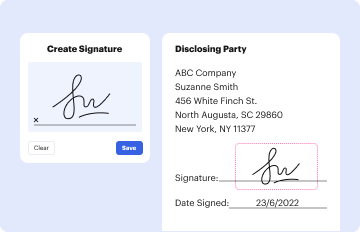
Signature Field: Electronic signatures may be required to finalize the document legally.
-
Submission Instructions: Final steps to ensure your form is processed, including any additional uploads or contacts.
Required Documents
Depending on the form's nature, certain documents may be required for completion. Examples include:
-
Proof of Identity: Such as a driver's license or social security number.
-
Financial Information: Bank statements, tax returns, or pay stubs.
-
Authorization Documents: Power of attorney or parental consent forms may be necessary in specific cases.
-
Certification or Degree Verification: For applications relating to licenses or employment.
Legal Use of the Form Online
The legality of forms online is governed by various regulations to ensure that digital documents have the same validity as paper forms. Key legal aspects include:
-
Compliance with Laws: Ensuring the form complies with relevant laws, such as the ESIGN Act in the U.S., which recognizes electronic signatures and records.
-
Data Protection: Adherence to privacy laws, including GDPR or CCPA, depending on the jurisdiction of data collection.
-
Legal Binding: Recognize that online forms, once submitted and signed, often hold the same legal weight as their paper counterparts.