





Definition and Meaning
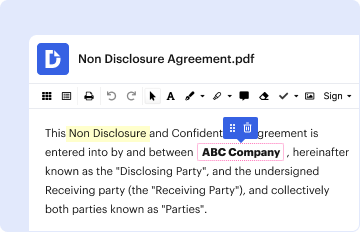
The concept of a "form online" refers to a digital version of traditional paper forms that can be accessed, filled out, and submitted via the internet. These forms can span various categories, including applications, legal documents, surveys, and tax submissions. They are designed to streamline processes by allowing users to interact with forms from any location with internet access, removing the need for physical paperwork. The flexibility and convenience of online forms have made them integral tools in both personal and professional settings.
How to Use the Form Online
Using an online form typically involves several straightforward steps, which can vary slightly based on the platform or specific form in question. A general process involves accessing the form through a web browser by navigating to the relevant platform or web page. Users should ensure that they have a stable internet connection and a compatible device. Once the form is opened, users can fill in the required fields using their keyboard and mouse. Many platforms, like DocHub, offer tools for editing, signing, and submitting the form directly online, thus providing a seamless user experience.
Step-by-Step Instructions
- Visit the website hosting the form.
- Open the form by clicking on its link or icon.
- Follow the prompts to complete all required fields.
- Use available tools to annotate or sign the form if needed.
- Submit the form following the platform's submission guidelines.
How to Obtain the Form Online
Obtaining an online form involves accessing the document via a web page or a dedicated platform. Organizations or service providers typically host these forms on their official websites, providing links or downloadable formats. Users can go to the specific section on the website to locate the form. Searching directly through a search engine with the form's name and relevant keywords can also lead to the correct page or document. Once accessed, the form can either be filled online or downloaded, depending on the form's design and purpose.
Legal Use of the Form Online
Legality is a significant aspect of form usage online. When dealing with sensitive data and legal agreements, ensuring that the online form is compliant with relevant legislation and regulations is crucial. For instance, within the United States, the use of electronic forms and signatures is governed by the Electronic Signatures in Global and National Commerce (ESIGN) Act. To ensure compliance, forms must include secure authentication processes, audit trails, and must meet necessary digital encryption standards. Checking for a form's compliance during its usage or submission can save time and prevent legal complications.
Key Elements of the Form Online
While the specific elements of a form online can vary greatly depending on its purpose, certain components are commonly included to ensure functionality and completeness:
- Form Fields: Typically include text boxes, checkboxes, dropdown menus, and date selectors.
- Instructions: Guidance on how to complete each section accurately.
- Submit Button: Directs the user on how to submit the form once completed.
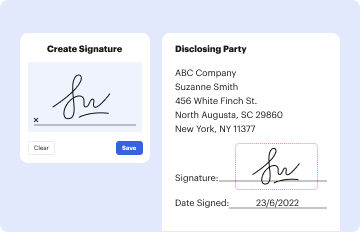
- Digital Signature Section: Allows for legally binding electronic signatures.
- Help Links or Support: Provides assistance through FAQs or direct contact options for troubleshooting issues.
State-Specific Rules for the Form Online
State-specific rules often govern the use and submission of online forms, particularly in areas such as tax filings, licensing, and legal documentation. These rules can dictate the required fields, submission deadlines, and acceptable electronic formats. It is vital for users to verify state-specific guidelines to comply with local regulations. Platforms offering online forms usually incorporate these variations within the form design to facilitate compliance.
Examples of Using the Form Online
Examples of utilizing an online form can include:
- Tax Filings: Submitting tax returns directly to the IRS via an online form.
- Job Applications: Applying for positions through a company's web portal.
- Surveys: Completing research surveys that collect data electronically.
- Legal Agreements: Executing NDAs or contracts via platforms that automate signature collection.
These examples illustrate the versatility and application of online forms across different sectors.
Form Submission Methods: Online vs. Mail
Online forms offer immediate submission which can be advantageous for tight deadlines and ensures a quicker response or processing time. On the contrary, forms submitted via mail might take longer to reach the intended recipient, with processing times adding to this delay. The choice between online and mail submission should consider time constraints, processing requirements, and the convenience factor associated with each method. Additionally, online submissions often incorporate automated receipt confirmations, enhancing tracking and reliability.
Digital vs. Paper Version
The transition from paper forms to digital versions reflects a shift towards more efficient and environmentally friendly practices. Digital forms reduce physical clutter, lower postal costs for businesses, and minimize error rates due to manual data entry. However, paper versions serve as viable alternatives in settings where digital access is restricted or for individuals who prefer a tangible interface. Digital forms offer added features such as editing, sharing, and secure storage, making them a preferred choice for many users today.