





Definition and Meaning of Form Online
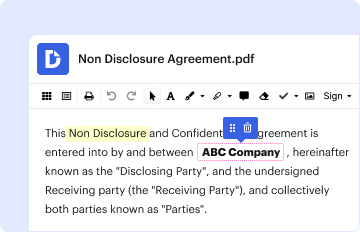
Form online refers to digital versions of documents that enable users to fill them out and submit responses via the internet. These forms replicate the functionality of physical documents, allowing for electronic data entry, submission, and processing. The convenience of form online offers a seamless method for individuals and businesses to conduct transactions, report information, or apply for services without the need to handle paper.
In today’s digital age, form online has become integral in various sectors, including government services, education, health care, and finance. It reduces the need for manual data entry, minimizes human error, and speeds up the overall documentation process. By digitizing forms, organizations can ensure a faster turnaround and improved accuracy, which is vital in timely decision-making and compliance with regulations.
How to Use the Form Online
Using a form online is generally a straightforward process involving accessing a digital form, filling it out, and submitting it electronically. Users begin by navigating to the platform where the form is hosted, typically via an email link or a direct web address. Platforms like DocHub provide an intuitive interface that guides users through each step of the form completion.
- Access the Form: Open the link to the form in any web browser. Some platforms may require user authentication before granting access to the form.
- Complete the Required Fields: Ensure all necessary sections, marked as mandatory with asterisks or other indicators, are filled. Platforms may provide real-time validation to guide users in entering information correctly.
- Attach Additional Documents: If the form requires supplementary documents, upload them in the specified formats directly via the platform.
- Review and Submit: Before submission, verify all filled fields for accuracy. Some platforms provide a preview option to double-check. Submit the form by clicking on the designated button.
Steps to Complete the Form Online
Completing a form online involves specific steps to ensure proper submission. The process varies slightly depending on the form's complexity, but the general procedure remains consistent.
- Identify the Form: Know the specific form you need to complete and gather any necessary information beforehand, such as personal details or financial records.
- Access: Open the form through the provided link or by visiting the relevant portal. Ensure secure connection by checking for "https" in the URL.
- Fill Out the Form: Enter information in all required fields. Automatic save features available in some platforms ensure the entered data is not lost if the session times out.
- Validate Information: Utilize any built-in validation tools to check for completeness and correctness.
- Attach Files: If necessary, upload supporting documents, ensuring they meet size and format requirements.
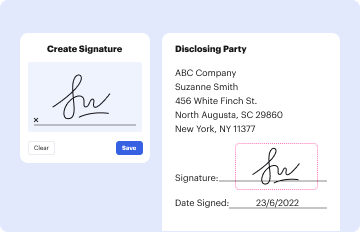
- Digitally Sign: Use electronic signature options for documents requiring authentication. This may involve typing your name, drawing your signature, or uploading an image of your handwritten signature.
- Submit: Finalize the submission by reviewing the entire form for errors and then click "Submit." Ensure an acknowledgment of receipt, such as a confirmation email, is received for reference.
Important Terms Related to Form Online
Understanding the terminology associated with form online is key to effectively utilizing them. Here are several important terms:
- Digital Signature: An electronic format of signing forms, verifying the identity of the signer.
- Fillable Fields: Sections of a digital form where users can input data, often outlined or highlighted in the interface.
- Mandatory Fields: Fields marked as essential, often indicated by an asterisk, which must be completed before submitting the form.
- Validation: Built-in checks that ensure the correctness and completeness of the data entered in an electronic form.
- Real-Time Synchronization: The process where changes made to a form are instantly updated across all users viewing the document, ensuring consistent data.
Legal Use of Form Online
Forms completed online carry the same legal significance as their paper counterparts, provided they adhere to certain standards and regulations. The ESIGN Act confirms the legality of electronic signatures, stating they are as valid as traditional handwritten signatures. Users should ensure the platforms they use for filling forms online comply with relevant legal regulations for data protection and electronic submissions.
Additionally, safeguards such as authentication measures, audit trails, and encryption enhance the security and legal standing of online forms. These measures help prevent unauthorized access and ensure that all submissions are verifiable and traceable.
Key Elements of the Form Online
When interacting with a form online, recognizing its crucial components is helpful. These elements typically include:
- Field Labels: Descriptive text that instructs users on the type of data to enter in corresponding fields.
- Interactive Fields: Areas in the form such as text boxes, checkboxes, and dropdown menus for user input.
- Instructions/Guidelines: Directions provided alongside forms to assist users in accurately completing all sections.
- Confirmation Section: A part where users review entries before final submission to ensure information accuracy.
- Submission Controls: Buttons or links to submit, reset, or save form data, typically located at the end of the form.
State-Specific Rules for the Form Online
While digital forms offer a universal template accessible from anywhere, specific forms may demand compliance with state regulations. Cases like tax filings, business licenses, or legal documents may necessitate adaptations based on state laws. For example, tax forms might differ in the allowable deductions or credits depending on where the taxpayer resides.
Users should acquaint themselves with applicable state guidelines when completing online forms. Jurisdictions may have unique filing deadlines, documentation requirements, or formats that influence how forms are designed and processed.
Examples of Using the Form Online
Various scenarios illustrate the utility of forms online. For instance, businesses leverage them for customer feedback, enhancing product offerings based on responses. Educational institutions use them for student enrollment, collecting all necessary information without the hassle of physical documents.
Another example is government agencies adopting digital forms for licensing and permits, simplifying public engagement and expediting approvals. These examples help showcase the adaptability and broad applicability of forms online across different sectors.