





Definition & Meaning of Form Online
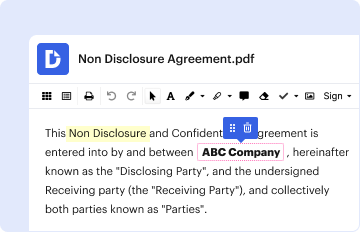
Forms that are filled out and submitted online are commonly known as "form online." This includes various types of forms such as tax filings, legal documents, applications, and more that users complete over the internet. These forms eliminate the need for physical paperwork, streamlining processes for both individuals and organizations. The online platform offers users the ability to input data, make necessary selections from dropdown menus, attach digital signatures, and submit the completed form with ease.
How to Use the Form Online
To effectively use a form online, begin by accessing the form through a secure platform like DocHub. Ensure that you understand the purpose of the form and the data it requests before starting. First, fill out personal information fields, such as name and contact details. Use the Form Fields manager to input data in text boxes, check the appropriate checkboxes, and select options from dropdown menus. Always double-check that all required fields are completed to avoid issues during submission.
Steps to Use the Form
- Access the form online through a secure link or platform.
- Review the instructions provided with the form to understand all requirements.
- Fill in each section of the form sequentially, making sure information is accurate.
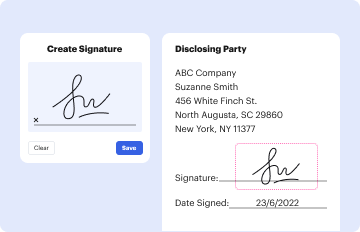
- Use digital signature options if a signature is needed.
- Review your entries and ensure all mandatory fields are completed.
- Hit the submit button to file the form electronically.
Steps to Complete the Form Online
Completing a form online involves several specific steps to ensure all information is correctly filled and accepted by the system.
- Read Instructions: Before filling out the form, thoroughly read any instructions provided to understand what information is needed.
- Enter Information: Input your data accurately in all fields. Pay special attention to format instructions (e.g., date format).
- Attach Required Documents: If the form requires additional documentation, such as identification or financial records, upload these files as specified.
- Sign the Form: Utilize the platform’s electronic signature feature to sign the document, ensuring it retains legal validity.
- Review and Submit: After completing all sections, review your entries for any errors or omissions, then submit the form.
Key Elements of the Form Online
An online form typically includes various elements designed to collect specific information efficiently. These elements might include:
- Text Fields: For entering names, addresses, and other pertinent text information.
- Dropdown Menus: To select options from a predefined list, streamlining the input process.
- Checkboxes and Radio Buttons: For binary options or to select one choice from multiple options.
- Electronic Signature Fields: To allow for secure signing of the document digitally.
- File Upload Sections: For attaching required documents directly from your device.
Legal Use of the Form Online
Online forms, including those with electronic signatures, are legally binding in the United States when used appropriately. The ESIGN Act provides the legal framework that governs electronic records and signatures, ensuring they hold the same weight as traditional paper forms with handwritten signatures. For legal validity:
- Each party involved in the form process must consent to use electronic records and signatures.
- The electronic signature process must allow for traceability and inherently verify the signer's identity.
- The completed form should be stored in a manner that preserves its integrity for future reference.
State-Specific Rules for Form Online
Depending on the jurisdiction, there might be specific regulations influencing the form online process. In some states, additional authentication measures or notarization may be needed for certain types of forms, such as legal documents or those involving significant financial transactions.
- California: May require notary acknowledgment for real estate forms.
- New York: Often requires wet ink signatures on certain documents, barring general allowance of e-signatures.
- Texas: Has specific online form procedures for government-related submissions.
Understanding these nuances is crucial for compliance and ensuring the legal effectiveness of submitted forms.
Software Compatibility for Form Online
Online forms typically need to be compatible with various software applications to ensure ease of use for all users. Platforms like DocHub integrate seamlessly with common applications such as:
- Google Workspace: Allowing forms to be exported back to Google Drive or sent via Gmail.
- Microsoft Office Suite: For forms involving word processing or spreadsheet data.
- Adobe Acrobat: When dealing with PDF-specific functionalities or tools.
This cross-compatibility helps users fill, edit, and submit forms using the tools they are most comfortable with, without needing additional software.