





Definition and Meaning
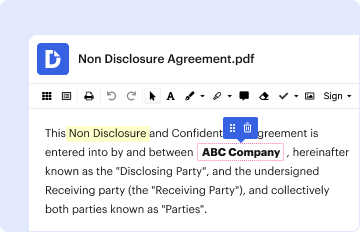
Forms online refer to digital versions of documents that can be filled out, submitted, and processed electronically via the internet. These forms are designed for various purposes, such as legal documentation, tax filings, applications, and data collection. Utilizing an online format allows for instant submission and processing, often eliminating the need for physical paperwork and in-person visits. The online environment also provides additional functionalities, such as automatic calculations, error checks, and the ability to save progress for later completion. Understanding the distinction between different types of digital forms and their intended uses is crucial for effective application.
How to Use Forms Online
To effectively use forms online, follow these general steps:
-
Access the Form: Find the digital form on the issuing organization’s official website or through a platform like DocHub. Ensure the form is current and applicable to your needs.
-
Fill Out the Form: Use the online platform's tools to enter the required information. This might include entering text, choosing options from drop-down menus, or checking boxes.
-
Review for Accuracy: Carefully check all entered information for accuracy before submission. Many platforms provide the option to preview the completed form.
-
Submit the Form: Follow the provided steps to submit the form. This generally involves clicking a submission button and ensuring all fields are appropriately filled.
-
Receive Confirmation: After submission, you might receive a confirmation email or a reference number. Keep this confirmation for your records.
How to Obtain Forms Online
To obtain forms online:
- Official Websites: Visit the official website of the entity issuing the form. This ensures that you're using an official and updated version.
- Document Management Platforms: Use document management services like DocHub that provide access to a wide range of forms, supporting various file formats and offering comprehensive editing tools.
- Search Tools: Utilize search engines to find the specific form by entering its name or purpose. Ensure you download from trusted sources to avoid outdated or incorrect forms.
Steps to Complete the Form Online
-
Log In/Register: Access the platform where the form is hosted. Some services require user registration.
-
Locate the Form: Use the platform’s search tools or navigation features to find the specific form you need.
-
Input Details: Enter the necessary information into each section of the form. Follow any on-screen instructions provided by the form.
-
Check Requirements: Ensure that all mandatory fields are completed and any required attachments are included.
-
Save and Submit: After completing the form, save your progress if the platform allows, and proceed to submit the form.
Why Should You Use Forms Online
Online forms offer several advantages:
- Convenience: Fill out forms from any location with internet access, avoiding trips to physical offices.
- Efficiency: Quick submissions and often faster processing as compared to traditional methods.
- Environmentally Friendly: Reduces paper use and contributes to environmental sustainability.
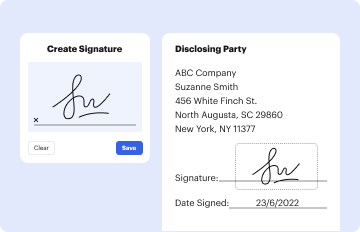
- Enhanced Features: Online platforms can offer tools like auto-fill, digital signatures, and secure data encryption.
Who Typically Uses Forms Online
Forms online are used by a diverse group of individuals and organizations:
- Individuals: Commonly used for personal applications, such as job applications, legal documents, and educational forms.
- Businesses: Companies use online forms for contracts, employee onboarding, and client agreements.
- Government Agencies: For collecting information, tax filings, and public service applications.
- Educational Institutions: For student enrollment, feedback, and administrative purposes.
Important Terms Related to Forms Online
- E-Signature: An electronic signature that validates the form.
- Mandatory Fields: Required sections that must be completed before submission.
- Captcha: A security measure to differentiate between human users and bots.
- Encryption: Typically used to secure the data entered into online forms, ensuring privacy protection.
Key Elements of Forms Online
Understanding key elements improves the efficiency and accuracy of completing digital forms:
-
Form Fields: These are the areas where users input information. They may include text boxes, radio buttons, checkboxes, and dropdown lists.
-
Instructions: Typically, forms provide guidance or tooltips to assist users in completing the document accurately.
-
Validation Checks: Many online forms include built-in checks to alert users of errors or omissions before submission.
-
Submission Options: Online forms often allow direct submission through the platform, alongside confirmation and receipt of submissions for record-keeping.
Each of these aspects of online forms enhances the user experience by providing clear instructions, ensuring data accuracy, and simplifying the completion and submission process.