





Definition & Meaning
Online forms are digital versions of documents designed to collect information electronically. They enable users to enter data into fields, which can then be processed and stored by the service provider. This digital model enhances efficiency by allowing immediate data transmission and reducing the need for physical paper documentation. Online forms can vary in complexity, serving multiple purposes from simple surveys to intricate legal or financial applications.
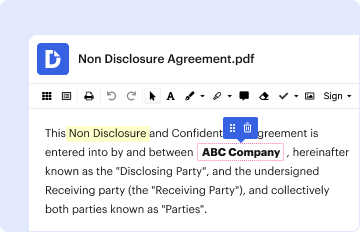
Online forms serve an integral role in modern data management, offering a streamlined solution for document handling across various industries. For instance, in the context of customizable digital platforms like DocHub, users can create, edit, and share forms related to different sectors like taxation, employment, and customer feedback, among others. The platform supports extensive customization, allowing the creation of fields such as checkboxes, dropdowns, and text fields that cater to specific requirements.
How to Use the Form Online
To effectively utilize an online form, users need to start by accessing the desired document on a platform like DocHub. Here’s a step-by-step guide:
- Access the Document: Log into your DocHub account and navigate to the web interface or use a mobile device.
- Locate the Form: Use the search functionality or visit your folders and collections to find the specific form.
- Edit and Fill: Start filling in the fields with the required information. Use text fields for general answers, checkboxes for multiple-choice questions, and dropdown menus for predefined answers.
- Annotate if Necessary: Add comments or notes within the document for personal reference or to guide others who might be reviewing the form.
- Review for Completeness: Ensure all required fields are completed. Forms often require specific fields to be filled before submission.
- Submit the Form: Once filled, submit the form directly through the platform or download it for other means of submission, like email or uploading to another service.
Practical application of these steps ensures that all necessary data is input accurately, facilitating swift processing and minimizing delays often associated with paperwork.
Steps to Complete the Form Online
When completing an online form on DocHub, precision and completeness are crucial. Follow these steps to ensure full compliance with form requirements:
- Preparation: Gather all necessary information and documents required by the form to avoid disruptions during the filling process.
- Form Navigation: Open the form on DocHub, and navigate through pages if the document is multi-paged, ensuring each section is addressed.
- Input Information: Type directly into the form fields, adhering to any specified form instructions or guidelines regarding formatting.
- Validation: Check for any built-in form validations, which ensure data like dates or numbers are input correctly.
- Attachments: If the form requires additional documents, these can be uploaded directly through DocHub’s interface, linking them to the relevant sections.
- Review Process: After filling out the form, review your entries to confirm that all information is correct and thoroughly completed.
- Finalize and Submit: Once verified, submit the form either directly through DocHub or export it for submission via other channels.
These steps are crucial for reducing the chance of errors and ensuring that any data collection process is comprehensive and succinct.
Key Elements of the Form Online
Certain elements are critical to online forms, ensuring they capture information accurately and efficiently:
- Form Fields: These may include text boxes, checkboxes, radio buttons, dropdown lists, and file upload options.
- Instructions: Clear guidance should be provided throughout the form, indicating what information is required and any specific formats to follow.
- Validation Rules: Built-in checks ensure data integrity, such as verifying that email addresses are correctly formatted or that required fields are not left blank.
- Security Measures: Encryption and secure access protocols protect sensitive data from unauthorized access during the submission process.
- Submission Confirmation: Feedback mechanisms like confirmation emails or on-screen notifications upon successful submission.
Incorporating these elements assures the effectiveness of an online form, contributing to a seamless user experience and accurate data compilation.
Important Terms Related to Form Online
Understanding key terminology associated with online forms enhances clarity and ensures correct usage:
- Smart Fields: Dynamic fields that adjust based on previous input, enhancing user convenience.
- Form Logic: Conditional elements that display different sections based on user responses.
- Responsive Design: Ensures forms are accessible and user-friendly on various devices, from desktops to smartphones.
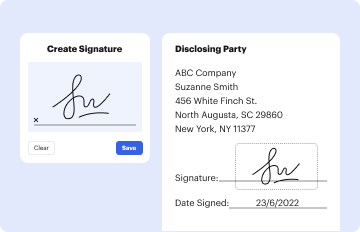
- Digital Signature: A secure digital method of signing online documents, ensuring authenticity and integrity.
- SSL Encryption: Security protocol that encrypts data during transmission, ensuring privacy and security for online submissions.
Familiarity with these terms helps users navigate more efficiently through online forms, ensuring precision and understanding in form completion and submission.
Legal Use of the Form Online
The legal application of online forms in the United States requires adherence to several regulations which are designed to ensure data protection, consent, and authenticity:
- ESIGN Act Compliance: Ensures electronic signatures on forms are legally binding, supporting digital transactions across sectors.
- GDPR Consideration: While primarily an EU regulation, many U.S. entities acknowledge GDPR principles in data handling to cater to international audiences.
- Accessibility Standards: Compliance with the Americans with Disabilities Act (ADA) involves ensuring forms are accessible to individuals with disabilities.
These legal frameworks ensure the legitimacy of transactions carried out using online forms, reinforcing trust in digital document handling.
Who Typically Uses the Form Online
Various individuals and organizations engage with online forms in diverse contexts to streamline their operations:
- Businesses: For applications like customer feedback collection, order processing, and employee onboarding.
- Individuals: For conveniences like applying for jobs, registering for events, and submitting tax forms.
- Educational Institutions: For admissions processes, surveys, and accessing educational resources.
- Government Agencies: For processes like permit applications, tax filings, and public service requests.
Each user group interacts with forms for distinct purposes yet benefits similarly from the efficiency and accessibility offered by digital solutions.

State-Specific Rules for the Form Online
Certain forms, especially those relating to taxes or legal procedures, may have variations established by state-specific regulations:
- Tax Forms: States may require different versions for income reporting, with unique guidelines and possible additional documentation.
- Business Licenses: Procedures vary widely across state lines, necessitating tailored forms for compliance.
- Voting and Registration: States use tailored forms reflecting their individual laws regarding voter registration and absentee ballots.
Being aware of these differences is crucial, as it ensures users meet specific state requirements without encountering legal or bureaucratic obstacles.