




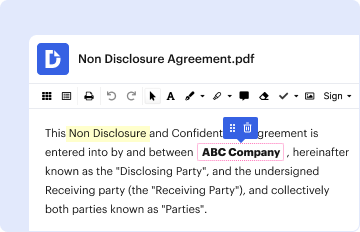

Definition and Meaning of "Form Online"
The term "form online" refers to electronic forms that can be completed, submitted, and processed over the internet. These forms are utilized across various sectors for purposes such as tax filings, license applications, feedback collection, and registration processes. Online forms replace traditional paper-based versions, offering a convenient, efficient, and environmentally friendly solution. Unlike physical forms, online variants are often interactive, allowing for real-time validation and immediate error correction.
Advantages Over Traditional Methods
- Convenience: Fill out and submit forms from any location using any internet-enabled device.
- Efficiency: Immediate processing speeds up decision-making or acknowledgment processes.
- Accessibility: Available 24/7, eliminating the constraints of office hours.
- Environmentally Friendly: Reduces paper usage and associated waste.
Use Cases
Online forms are prevalent in government services, educational institutions, financial sectors, and businesses conducting digital transactions. They are crucial for streamlining operations and improving user experiences.
How to Use the Form Online
Using an online form typically involves several steps, ensuring data accuracy and secure submission. Here’s a breakdown of the general process:
- Access the Form: Visit the website or digital platform hosting the form.
- Input Required Information: Enter data into specified fields, ensuring accuracy.
- Review: Verify all details before submission to avoid errors.
- Submit: Click the submit button to send the form electronically.
Tips for Successful Completion
- Ensure a stable internet connection to prevent loss of data.
- Carefully read instructions and input field requirements.
- Save a copy of the completed form when possible for future reference.
How to Obtain the Form Online
Obtaining an online form is usually straightforward. Here are typical methods to access and start filling out a form:
- Direct Website Access: Go to the official website of the issuing body or organization.
- Email Requests: Often, organizations provide forms via email requests or subscriptions.
Searching for the Right Form
- Utilize the site's search function, typically found on government or organizational portals.
- Check for form links in email communications, if applicable.
Steps to Complete the Form Online
Completing a form online involves specific actions to ensure proper filing:
- Initiation: Open the form on a secure and compatible web browser.
- Fill in Details: Enter personal, financial, or other required information, following any format instructions.
- Attachments: If the form requires additional documents, use the upload feature.
- Submission: Complete the form and submit, opting for any requested confirmations.
Common Pitfalls and Solutions
- Timing Out: Form sessions may expire; save progress regularly if the option is available.
- Incompatibility: Use recommended browsers to avoid display and functionality issues.
Why You Should Form Online
Filing forms online offers numerous benefits over traditional paper-based methods, reinforcing its growing popularity:
- Speed: Faster submissions mean quicker responses and processing.
- Cost-Effective: Saves money on postage, printing, and travel.
- Accuracy: Built-in validation reduces the risk of errors compared to manual data entry.
Practical Examples
- Tax Returns: Instant confirmation of submission reduces anxiety about lost paperwork.
- Job Applications: Easy tracking and updating of submitted forms.
Key Elements of the Form Online
Understanding the structure of online forms ensures proper use:
- Mandatory Fields: Usually marked with an asterisk (*) to denote required information.
- Optional Fields: Can provide additional context but are not essential.
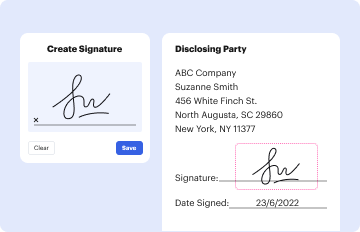
- Signatures: Some forms provide digital signature options for authenticity.
- Validation Checks: Prevent submission unless all criteria are met.
Penalties for Non-Compliance
Failure to correctly complete and submit online forms by mandated deadlines can lead to:
- Fines or Fees: Financial repercussions depend on the form type and jurisdiction.
- Delayed Processing: Missed opportunities or extended waiting periods for resolution.
- Legal Issues: Especially common in governmental or regulatory forms.
Examples
- Missing a tax filing deadline may incur penalties and interest.
- Late submissions of legal documents can result in unfavorable legal standings.
Software Compatibility
Online forms often come with software requirements or compatibility suggestions:
- Recommended Browsers: Ensure forms work correctly (e.g., Chrome, Firefox).
- PDF Readers: Needed for forms that require download and offline completion.
- Integration with Tools: Platforms like TurboTax or QuickBooks facilitate easier filing processes.
Troubleshooting Compatibility Issues
- Update Software: Keep browsers and necessary applications up-to-date.
- Check System Requirements: Ensure your device meets the form's technical needs.
Business Types That Benefit Most from Form Online
Specific business entities experience heightened advantages from online forms:
- Corporations: Streamlining annual report filings or stakeholder communications.
- Small Businesses: Facilitates easier permit applications and payroll management.
Sector-Specific Benefits
- Educational Institutions: Enrollment forms improve student registration efficiency.
- Healthcare Providers: Facilitate patient onboarding and data collection.
Important Terms Related to Form Online
Familiarize yourself with these terms to better navigate online forms:
- Encryption: Ensures data security during form submission.
- Authentication: Verifies user identity before granting access or submission capabilities.
- Validation: Automatically checks entered information for completeness and accuracy.
Examples of Using the Form Online
Real-world scenarios highlight the practical application of online forms:
- University Applications: Process efficiency with automated data validation.
- Regulatory Filings: Meets compliance standards with minimized clerical errors.
Potential Challenges
- Accessibility Issues: Ensure forms are compliant with ADA standards for users with disabilities.
- Technical Difficulties: Organizations might provide helplines or live chat support for unresolved issues.