




Understanding the WPQ Format in Word
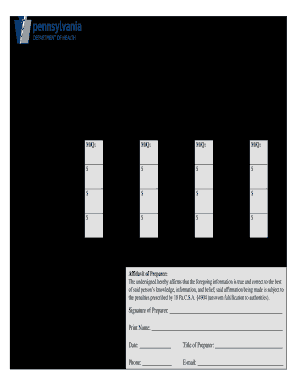
The Welder Performance Qualification (WPQ) format in Word is a document used to verify and record a welder's qualifications under specified standards, such as ASME IX. This format primarily serves to document essential details, including personal information, test dates, base metals, welding processes, and the results of various tests undertaken by the welder. Proper documentation within the WPQ format ensures compliance with industry regulations and forms the basis of attesting to a welder's skill and capabilities.
Key Elements of the WPQ Format in Word
In developing a WPQ document, it is crucial to include specific sections that comprehensively cover a welder's qualifications. The essential elements typically include:
- Personal Information: Full name, contact information, and relevant identification numbers.
- Testing Dates: Clear documentation of when qualifications were tested, marking when the welder's skills were evaluated.
- Base Metals: Identification of the types of metals on which the welder was tested, such as carbon steel or stainless steel.
- Welding Processes: Specification of the welding methods utilized, such as MIG, TIG, or stick welding.
- Test Results: Comprehensive results of the tests conducted, indicating whether the welder has successfully met the qualifications.
Each of these components plays a vital role in establishing a welder's credibility and ensuring compliance with industry standards.
Steps to Complete the WPQ Format in Word
Filling out the WPQ format in Word effectively requires a structured approach. Follow these steps for accuracy:
- Template Selection: Start with a pre-existing WPQ template in Word or create a structured format using tables for clarity.
- Input Personal Information: Clearly state the welder's name, certification number, and contact details prominently at the top of the document.
- Document the Testing Process: Input the dates and details of the tests taken, ensuring that this information is accurate.
- Fill in Base Metal and Welding Process Information: List all relevant base metals and specify the welding processes used during certification.
- Summarize Test Results: Carefully record all test outcomes, marking successful qualifications clearly.
Each step is critical in ensuring that the document adheres to the standards set forth by regulatory bodies.
Why Use the WPQ Format in Word
Utilizing the WPQ format in Word offers several advantages in the welding industry. These reasons include:
- Standardization: The WPQ format ensures a standardized approach, which facilitates easier understanding and processing by regulatory bodies.
- Accessibility: Word documents can be easily edited and shared, making it simple for companies to update welder records as necessary.
- Legal Requirement: Many regulatory frameworks mandate the use of a documented qualification record for compliance, making the WPQ an essential tool.
- Ease of Collaboration: The Word format allows multiple parties to edit and add comments, enabling a collaborative review process.
The use of this format not only aids in compliance but also enhances communication between welders and their employers or clients.
Who Typically Uses the WPQ Format in Word
The WPQ format is predominantly used by various stakeholders in the welding industry, such as:
- Welders: Individual welders use the WPQ format to maintain a record of their qualifications and skills.
- Employers: Construction firms, manufacturing companies, and fabricators require WPQ records to evaluate the skills of potential employees.
- Certification Bodies: Organizations that certify welders use the WPQ to document and verify a welder's qualifications.
- Regulatory Agencies: Compliance inspectors and regulatory authorities refer to these records to ensure industry standards are met.
Each of these entities relies on the WPQ format to confirm qualifications, ensuring a skilled workforce in the welding sector.

Examples of Using the WPQ Format in Word
Practical examples of the WPQ format in action can provide further clarity on its application:
- A welder named Philip Collis completed testing under ASME IX standards. His WPQ format reflects his qualifications regarding welding processes on carbon steel.
- A manufacturing company hires a new welder and requests a WPQ document. The welder submits a completed WPQ format detailing his previous experience and results from testing.
- Regulatory body inspections might review WPQ forms to ensure compliance during audits, using these documents to assess the skills of welders on various job sites.
Such scenarios underline the importance of accurately documenting skills and qualifications using the WPQ format in Word.