Definition and Meaning
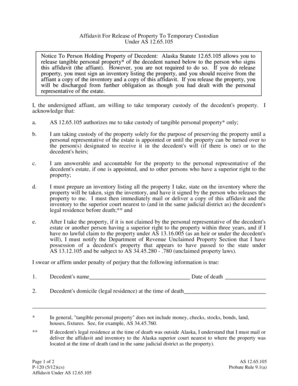
An Affidavit of Fraudulent Transactions is a legal document used to report unauthorized or fraudulent transactions concerning financial accounts. This affidavit requires individuals, known as affiants, to declare under oath that they did not authorize or benefit from these transactions. Primarily used by clients of institutions like KeyBank, this affidavit helps initiate investigations and establish a record of the reported fraud. The document highlights the importance of honesty, as false statements may lead to legal consequences.
Key Elements of the Affidavit
- Affiant's Declaration: The individual must confirm that they neither authorized nor participated in the questioned transactions.
- Transaction Details: Specific information regarding the fraudulent activities, such as dates, amounts, and nature of each transaction, must be listed.
- Personal Information: The affiant's personal and account details, such as name, address, and account numbers, are required for processing.
- Notary Section: To validate the affidavit, a notary public must verify the affiant's identity and signature.
How to Use the Affidavit of Fraudulent Transactions
To use this affidavit effectively, follow these guidelines:
- Document Collection: Gather any documents or evidence related to the fraudulent transactions.
- Affidavit Completion: Fill out the affidavit with accurate personal and transaction details.
- Notarization: Obtain the signature of a notary public to confirm the affidavit's legitimacy.
- Submission: Submit the completed affidavit to the relevant financial institution for further investigation.
Detailed Steps
- Start by listing each unauthorized transaction, including the date, amount, and any reference numbers.
- Clearly state your connection to the account and your lack of involvement in the fraudulent activities.
- Visit a notary public for document authentication — many banks offer notary services.
Steps to Complete the Affidavit of Fraudulent Transactions
Completing the affidavit involves several critical steps, ensuring the accuracy and integrity of the information provided:
- Read the Instructions: Before filling out the form, carefully read any instructions or guidelines provided.
- Fill Out Personal Information: Include your full name, contact information, and account details.
- Detail Fraudulent Activity: Thoroughly document each fraudulent transaction, providing as much detail as possible.
- Answer Additional Questions: Some affidavits may include questions about the nature of the account and any previous incidents of fraud.
- Sign in Presence of Notary: Arrange for a notary public to witness your signature and certify the document.
Legal Use of the Affidavit of Fraudulent Transactions
The affidavit serves as a formal legal instrument, playing a crucial role in the process of addressing fraud:
- Initiating Investigations: Financial institutions rely on affidavits to start fraud investigations and may collaborate with law enforcement.
- Potential Legal Actions: Based on the findings, the institution might take legal action against the perpetrators.
Compliance and Risks
- Ensure that the information provided is accurate to avoid legal repercussions.
- Understand that false statements can result in penalties including fines or imprisonment.
Who Typically Uses the Affidavit of Fraudulent Transactions
Common users of this affidavit include:
- Bank Customers: Those who discover unauthorized transactions in their accounts.
- Financial Institutions: These institutions require affidavits to substantiate claims of fraud.
- Law Enforcement Agencies: They may use the affidavit as part of evidence when pursuing fraud-related cases.


State-Specific Rules for the Affidavit of Fraudulent Transactions
Regulations regarding affidavits can vary slightly by state. Key differences may include:
- Notarization Requirements: While most states require notarization, specifics about the process can differ.
- Submission Processes: The process for submitting the affidavit might vary, affecting timelines and procedures.
Examples of Variation
- Some states may require additional identification verification.
- Certain jurisdictions might necessitate electronic filing or specific affidavit formats.
Examples of Using the Affidavit of Fraudulent Transactions
Real-world scenarios where the affidavit proves essential:
- Unauthorized Bank Charges: A customer notices unknown charges on their credit card statement and files an affidavit to report these.
- Identity Theft: Individuals experiencing identity theft use the affidavit to declare uninvolvement with transactions made using their personal information.
Important Terms Related to the Affidavit of Fraudulent Transactions
Understanding key terms ensures proper completion and use of the affidavit:
- Affiant: The individual making the sworn statement.
- Fraudulent Activity: Any transaction not authorized by the account holder.
- Notary Public: A state-appointed official who verifies the identity of the affiant and the authenticity of the signature.
Penalties for Non-Compliance
Failing to adhere to affidavit requirements can result in serious consequences:
- Legal Repercussions: Providing false information can lead to fines or potential imprisonment.
- Bank Policy Violations: Non-compliance might affect one's standing with the bank and future account privileges.
Case Studies
- False Claims: One case involved an individual fined for submitting a falsified affidavit to reclaim lost funds unjustly.
- Missed Deadlines: Another scenario detailed customers losing recovery rights due to belated affidavit submissions.