





Definition and Meaning of Online Forms
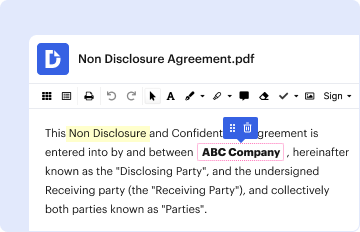
Online forms are digital versions of traditional paper forms that allow users to input, submit, and share information electronically. They range from simple data entry fields to complex interactive templates where various formats, like dropdown menus and checkboxes, guide users in providing specific information. Online forms simplify the process of data collection and processing, offering a streamlined approach that saves time and reduces the potential for errors associated with manual entry.
How to Use the Form Online
Using an online form typically involves several straightforward steps. First, access the online interface, which may require logging into a platform like DocHub. Once on the form page, read any instructions or guidelines provided to understand the requirements. Begin filling out the form, entering data into designated fields such as text boxes or selecting options from dropdown menus. Review all entries for accuracy and completeness before submitting the form. This digital submission often has built-in validations to ensure all necessary fields are complete.
Obtaining Forms Online Efficiently
To obtain an online form, navigate to the website offering the form, such as DocHub, and search for the specific document you need. Many platforms offer features allowing users to import forms from cloud storage services like Google Drive or directly from email. Additionally, users can create forms by uploading an existing document and converting it into a fillable form using tools like DocHub's Form Fields manager.
Steps to Complete the Form Online
- Access the Form: Log into the service providing the form.
- Understand the Requirements: Review any instructions or guidelines.
- Input Information: Enter data into designated fields, selecting options like checkboxes or dropdowns as needed.
- Validate Entries: Check for completeness and accuracy, correcting any errors.
- Submit: Once satisfied, electronically submit the form, ensuring all relevant information has been included.
Advantages of Using Online Forms
Online forms offer numerous benefits, primarily due to their flexibility and efficiency. Users can access forms from anywhere, provided they have an internet connection, allowing for completion on-the-go via mobile devices. The process eliminates the need for physical logistics such as mailing, scanning, or printing, which reduces costs and saves time. They also enable real-time data collection and distribution, with seamless integration into platforms like DocHub for additional processing, collaboration, and security measures.
Typical Users of Online Forms
The versatility of online forms means they are widely used across different sectors, from businesses onboarding new employees to individuals managing personal tax filings. Educational institutions utilize them for registration and feedback, while healthcare providers use them to gather patient information. Online forms are also prevalent among service industries for booking appointments or receiving customer feedback.
Legal Aspects of Online Forms
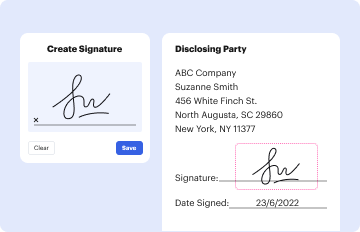
Compliance with legal standards is crucial when using online forms, particularly for sensitive data collection. Platforms like DocHub ensure that forms used for official purposes are legally binding, complying with acts such as the ESIGN Act. This ensures that digital signatures and submitted information hold the same weight as their paper counterparts in legal settings, essential for contracts and agreements across industries.
Key Elements to Include in an Online Form
When designing an online form, several key elements should be incorporated for effectiveness:
- Input Fields: Various options like text boxes and dropdown menus to capture required data accurately.
- Instructions: Clear guidelines to inform users of the exact requirements.
- Validation: Mechanisms to ensure all necessary fields are filled out correctly.
- Submission Confirmation: Acknowledgment of successful submission, often through a confirmation screen or email.
State-Specific Rules for Online Forms
Depending on the jurisdiction, different rules and regulations may apply to the use of online forms, particularly for official or government-related filings. For instance, in the U.S., some states may have specific privacy laws governing data collection and electronic submissions. It's vital to consult local guidelines to ensure compliance, particularly in industries handling sensitive or personal data.
Examples of Using Online Forms
Real-world applications of online forms are numerous. In the tax domain, individuals use forms such as the W-9 for tax identification purposes. Businesses frequently adopt them for customer feedback or to facilitate electronic contractual agreements. Educational institutions rely on online forms for applications and student feedback, demonstrating the diverse utility of this digital solution.