





Definition and Meaning of the Aboma Lease
The Aboma lease is a specialized legal document used predominantly in the real estate sector, particularly for leasing condominium units. This type of lease outlines the obligations, rights, and responsibilities of both landlords and tenants regarding the rental of condominium properties. It provides a structured framework for both parties to agree on terms such as rental duration, payment schedules, and maintenance responsibilities, ensuring clarity and legal protection. The lease often includes specific clauses tailored to the unique aspects of condominium living, such as rules imposed by the condominium association.
How to Use the Aboma Lease
Using the Aboma lease involves several critical steps to ensure all parties understand and agree to the terms. First, the landlord should review the lease form to ensure it aligns with the specific conditions of the condominium unit being leased. This includes filling in details such as rent amount, payment due dates, and any specific rules or guidelines. Both parties then read through the document thoroughly to understand their commitments. Any modifications agreed upon should be clearly documented in the lease. Once all parties are satisfied, they sign the lease to formalize the agreement. Both the landlord and tenant should retain copies of the lease for future reference.
Steps to Complete the Aboma Lease
Completing the Aboma lease involves a series of detailed steps designed to capture all necessary information and secure agreement between the landlord and tenant.
- Gather Information: Collect necessary details such as the property's address, tenant information, landlord details, and lease term dates.
- Fill Out the Lease: Enter details into the lease document, ensuring accuracy in terms such as rent amount and payment schedule.
- Review and Modify: Both parties should review the lease, and any needed modifications should be clearly noted and agreed upon.
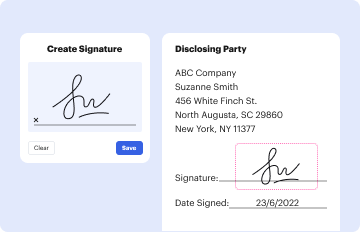
- Sign the Agreement: Once both parties agree on the terms, they sign the lease to confirm their commitment. Witnesses may be required to sign for validation.
- Distribute Copies: Ensure both parties have copies of the signed lease for their records.
Key Elements of the Aboma Lease
The Aboma lease consists of several critical components that define the legal relationship between the landlord and tenant.
- Description of Premises: Detailed information about the rental property, including its physical condition.
- Term of Lease: Begin and end dates for the lease period, with options for renewal if applicable.
- Rent Details: Specifics about the rental amount, payment schedule, and acceptable payment methods.
- Responsibilities: Clear delineation of maintenance responsibilities and expectations for both parties.
- Condominium Rules: Any additional rules that must be followed, as set by the condominium association.
State-Specific Rules for the Aboma Lease
While the foundational aspects of the Aboma lease are consistent, specific state laws can impact its execution and terms. For instance, states may have distinct regulations regarding security deposits, notice periods for termination, and tenant rights. It is crucial for both landlords and tenants to familiarize themselves with any state-specific requirements and incorporate them into the lease to maintain its legality. Consulting with a local attorney or real estate professional can provide guidance on these matters.
Who Typically Uses the Aboma Lease
The primary users of the Aboma lease are property managers, landlords, and tenants involved in the rental of condominium units. Property management companies and condominium associations often utilize this lease to standardize rental agreements within their communities. Tenants engaged in renting a condo, particularly in areas with a higher density of such properties, will commonly encounter this lease form. Additionally, real estate professionals who facilitate condominium rentals are familiar with the Aboma lease's contents and utility.

Legally Binding Elements of the Aboma Lease
The Aboma lease serves as a legally binding agreement that protects the interests of both landlord and tenant when properly executed. It requires both parties’ signatures, often with a witness, to be enforceable. The lease includes clauses on default and remedies, providing a legal framework for resolving disputes. To ensure its legal binding, both parties should have clear understanding and agreement on all terms, with no ambiguities in language. Legal advice is recommended to confirm compliance with local laws and regulations.
Examples of Using the Aboma Lease
Real-world scenarios exemplify the use of the Aboma lease in various condominium rental situations. For instance, a homeowner renting out a unit in a city high-rise might use the lease to outline obligations related to shared amenities such as pools or fitness centers. Another example could involve a tenant subletting a condo with permission from the landlord; the sublease would incorporate key components of the Aboma lease to ensure continuity and legal alignment. These examples illustrate the lease's adaptability to different leasing contexts within the condominium environment.
Important Terms Related to the Aboma Lease
- Term: The duration for which the lease agreement is valid.
- Security Deposit: A financial guarantee against damage or default, held by the landlord.
- Maintenance: Responsibilities relating to property upkeep as detailed in the lease.
- Default: Breach of lease terms that may lead to termination of the agreement.
- Condominium Association Rules: Specific regulations that tenants must follow as set by the property association.
Digital vs. Paper Variants of the Aboma Lease
The Aboma lease is available in both digital and paper formats, offering convenience and flexibility. Digital versions facilitate easy sharing and signing through electronic signature platforms like DocHub, streamlining the process for remote transactions. This format supports environmental sustainability and simplifies record keeping, enabling quick access and modifications. The paper version, however, remains common for those who prefer traditional documentation methods or in jurisdictions where digital signatures are not yet recognized for all legal documents. Both formats should comply with state-specific laws to uphold their legal standing.


