





Definition and Meaning of "Form Online"
The concept of "form online" refers to the transformation of traditional paper-based forms into digital formats accessible via the internet. This shift allows users to complete, submit, and manage forms through web-based interfaces from any location. In practice, online forms are designed to enhance accessibility and convenience, enabling users to engage with government services, private sector applications, and various organizational processes without needing physical paperwork. These forms can include anything from tax submissions to legal documentation and surveys.
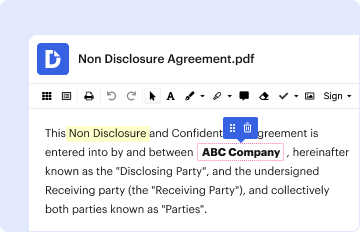
Online forms are often integrated into wider digital workflows, such as those provided by DocHub, which offer tools to edit, sign, and submit documents securely. The primary advantage of using forms online is the reduction of manual processes and errors, as digital systems can automate data input and validation. This ensures accuracy and efficiency, especially in scenarios where large volumes of data are handled.
How to Use the Form Online
Using forms online involves a series of steps that depend on the platform or service through which the form is accessed. Generally, the process begins with locating the desired form, which might be hosted on official websites or platforms like DocHub that offer document management solutions.
- Access the Form: Navigate to the website or platform where the form is hosted. This usually involves login or authentication processes to ensure secure access.
- Review Instructions: Before filling out the form, it is essential to review any provided guidelines or instructions to understand any specific requirements or fields that need attention.
- Fill Out the Form: Enter the required information in the designated fields. Online forms may include text fields, dropdowns, checkboxes, and signature lines.
- Submit the Form: Once all information is entered and double-checked for accuracy, submit the form electronically. Submissions typically provide a confirmation or reference number for tracking purposes.
Depending on the form's purpose, additional steps such as attaching supplementary documents, applying a digital signature, or making a payment might be necessary.
How to Obtain the Form Online
Obtaining a form online often involves visiting the relevant website or digital platform that provides the specific form in question. For example, government agency websites or document management services such as DocHub might host these forms.
- Website Navigation: Visit the organization's official website where the form is available. Use the search feature if necessary to locate the form quickly.
- Login/Authentication: Some forms require user authentication. Ensure you have the necessary credentials or create an account if prompted.
- Form Download: Once located, the form can often be downloaded directly or filled in online through a web-based editor.
Organizations frequently maintain databases or dedicated sections on their websites for the most commonly used forms, enabling efficient access and management.
Steps to Complete the Form Online
Successfully completing an online form involves understanding and methodically working through each section of the form. Consistent accuracy and adherence to provided instructions are crucial:
- Log Into the Platform: Access your account on the respective platform, such as DocHub, where the form is hosted.
- Select the Form: Choose the correct form from available options, ensuring it is the most recent version if applicable.
- Enter Details: Input required information, leveraging guided navigation or help features if available.
- Validate Entries: Cross-check all entered details for accuracy to prevent submission errors or processing delays. Use built-in validation tools if provided.
- Attach Necessary Documents: If supporting documents are required, upload them in the specified formats.
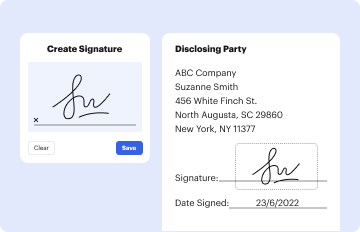
- Apply Electronic Signature: Use the platform's tools to insert your digital signature where required.
- Submit and Confirm: Finalize the process by submitting the form and confirming its receipt through a confirmation message or email.
Why Should You Use Forms Online
Using forms online offers significant advantages over traditional paper forms, including:
- Convenience: Accessibility from anywhere with internet connectivity allows users to complete forms at their own pace and schedule.
- Efficiency: Eliminates the need for manual delivery or mailing, reducing turnaround times and saving on postage costs.
- Accuracy: Digital forms often include built-in checks and balances to minimize errors and guide users through correct form completion.
- Security: The use of encrypted platforms ensures that sensitive information is protected during transfer and storage.
- Environmentally Friendly: Reduces paper usage, contributing to sustainability efforts.
Online forms cater to the needs of various user groups, from individual consumers to large organizations, seeking streamlined processes.
Who Typically Uses Forms Online
A diverse array of users rely on forms online for various purposes:
- Individuals: Completing applications for licenses, permits, or educational admissions.
- Businesses: For contractual agreements, compliance reporting, and HR processes.
- Government Agencies: Collecting data for census-type activities and public service enrollments.
- Educational Institutions: Managing admissions, financial aid requests, and student registrations.
Each user group benefits from tailored functionalities that cater to their specific needs and streamline the completion and submission process.
Legal Use of Forms Online
Forms online must adhere to legal standards to ensure compliance and enforceability. Legal considerations include:
- Digital Signatures: Must comply with laws such as the ESIGN Act, which grants electronic signatures the same legality as handwritten ones.
- Data Protection: Adherence to privacy laws, ensuring data is collected and stored under regulations like HIPAA or GDPR.
- Authenticity: Platforms need to offer authentication mechanisms to verify the identity of users involved.
Organizations utilizing forms online are obligated to maintain systems that ensure legal compliance, as stipulated by their industry or jurisdiction.
Key Elements of Forms Online
Successful form completion involves attention to several core elements:
- User Authentication: Processes in place to verify user identities before form access.
- Field Validation: Checks to ensure that inputs are formatted correctly without errors.
- Submission Confirmation: Receipt or confirmation notifications ensuring submissions are successful.
- Editing Tools: Allow for dynamic interactions like saving progress or correcting errors pre-submission.
- Security Features: Encryption and access controls to protect user data throughout the form lifecycle.
Understanding these elements fosters confidence in digital systems, illustrating modern approaches to data management through online forms.