
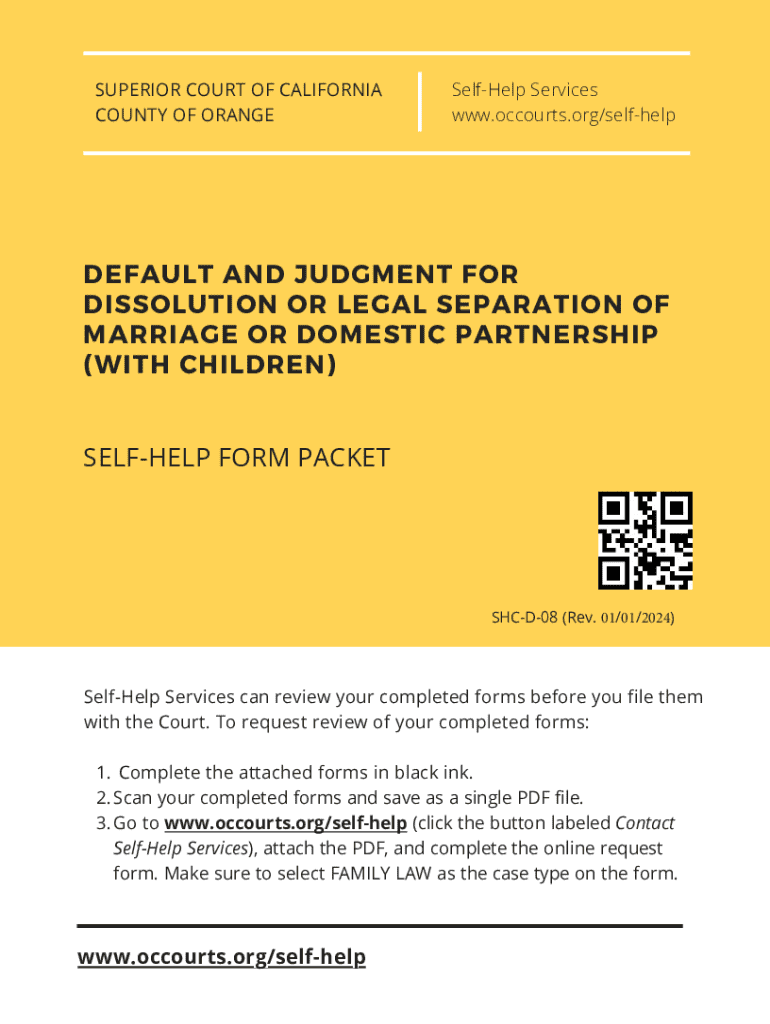





Definition and Meaning of Online Forms
Online forms are digital versions of documents that can be filled out and submitted through the internet. These forms allow users to enter information electronically, which improves efficiency, reduces paper usage, and simplifies data collection processes. Online forms come in various types, including applications, surveys, feedback forms, and registration forms. They are used across different sectors such as government, education, healthcare, and business.
How to Use an Online Form
To use an online form, locate the form on a website or platform that offers document management services like DocHub. Download or directly open the form within the platform's editing tool. Once the form is open, use the platform's tools to fill in the required fields. You may need to type text, select options from dropdown menus, or checkboxes. Upon completion, ensure all necessary fields are filled before submitting the form electronically.
Step-by-Step Guide to Filling Out Forms
- Access the Form: Navigate to the website that hosts the form or use an app that supports online form filling.
- Review Instructions: Carefully read any instructions accompanying the form for guidance on completing it correctly.
- Complete Required Fields: Enter personal information or data as required, ensuring accuracy in spelling and numbers.
- Check and Double-Check: Verify each piece of information before proceeding to the next field to minimize errors.
- Submit or Save: Once the form is complete, submit it as instructed or save it for later submission if necessary.
Steps to Complete the Form Online
Filling out an online form can be straightforward if you follow these steps:
- Open the Form: Start by accessing the form on the designated platform.
- Input Data: Carefully enter your details into the form fields. Use the correct format for dates or numerical data.
- Validate Information: Check for errors and ensure all required sections are completed.
- Attachment Uploads: Some forms may require attachment of documents; follow instructions for uploading any necessary files.
- Finalize and Submit: Once satisfied with your input, submit the form through the platform's interface.
Key Elements of an Online Form
Online forms typically include several essential components:
- Form Fields: These are spaces where users enter their data. Fields may be text boxes, dropdown menus, or checkboxes.
- Instructions: Clear guidelines are provided on how to fill out each section.
- Navigation: Features like "Next" and "Previous" buttons help users move through multi-page forms.
- Validation: Some forms automatically check for errors before submission to ensure data completeness.
- Submission Button: Clicking this button sends your data to the intended recipient or database.
Legal Use of Online Forms
Using online forms for legal processes requires compliance with specific regulations. Forms must adhere to data protection laws like the GDPR or CCPA to ensure privacy and security. Additionally, forms used for contracts or agreements should be designed to capture legally binding electronically signed signatures, in line with laws like the ESIGN Act. Users should always read disclaimers and privacy notices before submitting sensitive information.
Benefits of Using Online Forms
Online forms offer several advantages:
- Convenience: Access and fill forms at any time from any internet-connected device.
- Efficiency: Automated data collection reduces time spent on manual entries.
- Cost Savings: Eliminate paper costs and reduce the need for physical storage.
- Data Accuracy: Built-in validation checks help minimize entry errors.
- Environmentally Friendly: Reduce paper consumption, contributing to sustainability efforts.
Examples of Using Online Forms
Online forms are used in various scenarios:
- Job Applications: Candidates submit applications and resumes online.
- Event Registrations: Participants register and pay for events through web forms.
- Feedback Surveys: Businesses collect customer feedback digitally.
- Tax Filings: Individuals and businesses file taxes using online forms provided by tax authorities.
Required Documents for Online Forms
When completing online forms, certain documents may be required for submission, particularly when dealing with official processes:
- Legal Identification: A driver's license or passport may be needed for identification purposes.
- Financial Records: Bank statements or employment records may be required for financial assessments.
- Supporting Documents: Depending on the form's purpose, additional materials like proof of residence or medical records might be needed.
Review the form's instructions for specific requirements and ensure all documents are prepared before starting the process.