





Definition and Meaning of Form Online
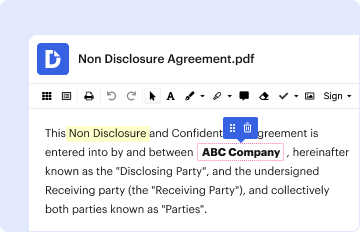
Form online refers to digital versions of traditional paper forms that can be accessed, completed, and submitted via the internet. This digital transformation streamlines operations, making it easier to fill out various forms without the need for physical paperwork. This method can be employed for multiple purposes, including legal, administrative, and personal needs. The primary goal of an online form is to improve efficiency and accuracy in data collection by allowing users to enter information in a structured electronic format.
Practical Examples
- Online tax filing forms used by individuals during tax season.
- Digital job application forms utilized by companies to streamline the hiring process.
- Electronic medical history forms used by healthcare facilities for easier patient data collection.
How to Use the Form Online
Using an online form involves a straightforward process that varies slightly depending on the form provider but generally follows specific steps to ensure the user's data is entered correctly.
Step-by-Step Guide
- Access the Form: Open the form using a compatible web browser on your device.
- Fill in Required Fields: Complete all mandatory fields, usually marked with an asterisk (*).
- Review and Edit: Check each section for accuracy before proceeding to submission.
- Submit: Click the submit button once all required data have been entered.
- Confirmation: Look for a confirmation screen or email verifying your submission.
Tips for Efficient Use
- Use auto-fill tools to expedite repetitive entries.
- Ensure you have all necessary documents and information before beginning.
- Regularly save progress if the form allows it, preventing data loss due to technical errors.
Steps to Complete the Form Online
Completing an online form efficiently involves understanding each part of the form and how it functions.
Detailed Steps
- Start with Basic Information: Input personal or organizational details such as name, address, and contact information.
- Advanced Sections: Proceed to more form-specific sections that might require additional detail or documentation.
- Attachments: Upload any supporting documents as stipulated by the form instructions, ensuring all files are of the accepted format.
- Review Section: Verify that all information is correct, looking for any warnings about incomplete fields or errors.
- Submit and Save a Copy: After submission, save a digital copy or print out the form for record-keeping.
Key Elements of the Form Online
Online forms comprise various elements that enhance user experience and ensure successful data submission.
Common Elements
- Text Fields: Entry points for specific information, such as names and IDs.
- Dropdown Menus: Allow users to choose from predefined options.
- Checkboxes and Radio Buttons: Enable selection of single or multiple options.
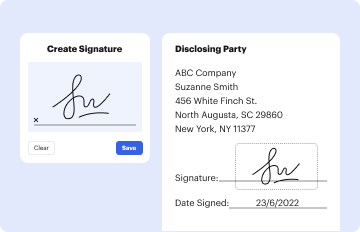
- Signature Fields: Provide an area for digital signatures, ensuring document authenticity.
- Progress Indicator: Displays form completion percentage to guide users through the form.
Legal Use of Form Online
Online forms often hold the same legal weight as their paper counterparts, provided they meet specific criteria.
Legal Compliance
- Ensure the form meets all regulatory requirements relevant to its purpose.
- Utilize secure platforms to prevent unauthorized access to sensitive data.
- Monitor for updates in legal standards regarding digital forms and amend forms accordingly.
Examples
- Contract Agreements: Binding contracts signed electronically.
- Government Forms: Many agencies accept digital forms as legally binding, provided they follow specific protocols.
Who Typically Uses the Form Online
Online forms cater to a variety of users, each with different needs and purposes.


User Groups
- Businesses: Simplify operations, from HR onboarding to financial reporting.
- Education Sector: Handle registrations and assessments efficiently.
- Government and NGOs: Manage public services and program enrollment processes.
- General Public: Access services like banking, insurance, and online shopping.
State-Specific Rules for the Form Online
Legal requirements for online forms can vary based on state legislation.
Variations by State
- Tax Forms: Each state may have unique e-filing rules and deadlines.
- Business Licenses: State regulations can dictate how and where forms are filed.
- Healthcare Forms: Regional laws may affect patient information management.
Examples of Using the Form Online
Online forms streamline processes across numerous sectors.
Real-World Cases
- Remote Work Onboarding: Use digital forms to collect employee details from various locations.
- E-commerce: Capture customer orders and payment information effortlessly.
- Public Administration: Facilitate processes like voter registration and permit applications online.
By understanding the structure and purpose of online forms, users can enhance their productivity and achieve their objectives effectively.