




Definition and Meaning of "Form Online"
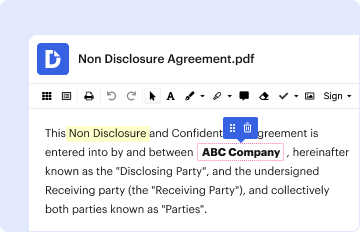
A "form online" refers to any document that can be accessed and completed through the internet without requiring physical paperwork. These documents are typically designed for seamless digital interaction, enabling users to fill in required information directly through a web-based interface. Forms online can range from simple data collection tools to complex legal documents requiring detailed input.
- Accessibility: Forms online are accessible from any device with internet connectivity, providing flexibility and convenience to users who can complete them from home or while on-the-go.
- Compatibility: Most forms online are designed to be compatible with various devices and are often adaptable to different file formats, such as PDF, DOC, or TXT.
- Security: Many platforms offering forms online, like DocHub, incorporate advanced encryption and authentication measures to ensure the safety of the data being entered.
How to Use the Form Online
To effectively use a form online, follow a series of straightforward steps:
- Locate the Form: Begin by identifying and accessing the specific form you need through a trusted online platform or website.
- Complete Required Fields: Once the form is open, fill in all mandatory fields. These fields are often marked with an asterisk to guide users on what information is essential.
- Review Your Entries: Carefully review the data entered to ensure accuracy and completeness. Online forms often include a summary section that allows you to verify input before submission.
- Submit or Save: Depending on the form type, you may have the option to save a draft or submit it immediately. Ensure you follow platform-specific instructions for successful submission.
- Editing Features: Many online forms allow for easy editing where necessary, offering tools like dropdown selections and text validation to improve user experience.
- Real-Time Guidance: Interactive tools may provide real-time feedback or hints to help users complete the forms accurately.
Steps to Complete the Form Online
Completing a form online involves several key stages which enhance both usability and effectiveness.
- Sign In/Registration: Some platforms require users to sign in or create an account for tracking and saving purposes.
- Form Selection: Navigate to the appropriate section or category and select the desired form.
- Input Details: Fill in each section with the necessary details, utilizing features such as auto-complete and field validation for efficiency.
- Attach Documents: If required, upload necessary documents or images to complement the form data.
- Preview and Edit: Review the completed form thoroughly and make any necessary edits before proceeding.
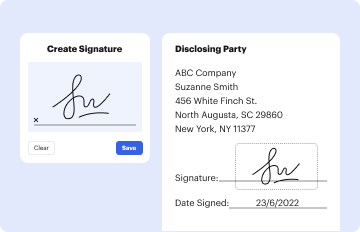
- Signature (If Required): For certain legal forms, providing a digital signature may be necessary. Platforms like DocHub allow users to add legally binding electronic signatures.
- Final Submission: Submit the form, ensuring all data is correct and complete.
- Auto-Saving: Many platforms incorporate auto-saving features to prevent data loss in cases of unexpected interruptions.
- Notification of Submission: After submission, you typically receive a confirmation email or message indicating successful form completion.
Why Should You Form Online?
Opting for forms online brings a host of advantages compared to traditional paper-based forms:
-
Efficiency: Forms online reduce the time needed to complete and process paperwork by streamlining data entry and submission.
-
Cost-Effectiveness: Eliminates costs associated with printing, mailing, and physical storage.
-
Improved Accuracy: Advanced features such as real-time data validation minimize errors and improve the accuracy of submitted information.
-
Environmentally Friendly: Reduces paper waste, aligning with eco-friendly practices and sustainability efforts.
-
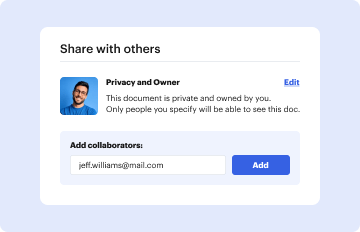
Enhanced Collaboration: Some platforms enable multiple users to work on a form simultaneously, improving collaboration in teams and businesses.
Who Typically Uses the Form Online?
A wide range of users can benefit from filling forms online, including:
-
Individuals: For personal applications, registrations, tax filings, and more.
-
Businesses: Often used for operations such as permit applications, employee onboarding, and customer interactions.
-
Educators: For administrative processes like student registration and course feedback.
-
Government Agencies: To facilitate accessible citizen services and public data collection.
-
Non-Profits: For managing donations, event registrations, and volunteer sign-ups.

Legal Use of the Form Online
When using forms online, it is crucial to understand the legal implications and ensure compliance with relevant regulations.
-
Legally Binding Documents: Many online forms can serve as legally binding documents if they adhere to regulations such as the ESIGN Act.
-
Security and Privacy: Ensure that the platform you use offers robust security measures, safeguarding sensitive information against unauthorized access.
-
Record-Keeping Compliance: Retain submitted forms in a secure digital format, aligned with statutory record-keeping requirements.
-
Jurisdictional Variations: Be aware of legal differences in form requirements and validation across various states or countries.
Creating and Managing Fillable Forms Online
DocHub provides a comprehensive suite of tools for creating and managing fillable forms online, tailored for ease of use.
-
Form Fields: Utilize various fillable fields, such as text boxes, dropdown menus, and checkboxes, to design interactive forms.
-
Customization: Tailor forms to capture specific data by setting mandatory fields and designating field roles to different recipients.
-
Data Collection: Streamline data collection and enhance form interaction by guiding users through structured responses.
-
Efficiency: Simplify form management by converting existing documents into online templates without complex setups.
Examples of Using the Form Online
Online forms prove invaluable across numerous scenarios, demonstrating their versatility and effectiveness:
-
Tax Returns: Complete IRS forms digitally for faster processing and reduced errors in financial reporting.
-
Job Applications: Submit job applications and resumes directly to potential employers through tailored online platforms.
-
Survey Distribution: Collect feedback and insights efficiently using online surveys with integrated data analysis tools.
-
Event Management: Register participants and collect fees via online forms, streamlining event logistics.
-
Health Intake Forms: Gather patient information through secure online platforms, improving the efficiency of healthcare administration.
State-Specific Rules for the Form Online
Different states within the U.S. may have unique requirements or guidelines that affect how forms online are used. Understanding these differences is critical for compliance.
-
Customization to State Laws: Ensure that the forms you are using adhere to state-specific laws, especially for legal or governmental processes.
-
Templates and Guides: Some platforms provide state-specific templates or guidelines, aligning with local regulations and practices.
-
Verification Requirements: Verify whether additional state-specific certifications or validations are needed upon form submission.
-
Exceptions and Variations: Familiarize yourself with any exceptions or particularities unique to certain states to prevent compliance issues.