




Here's how it works
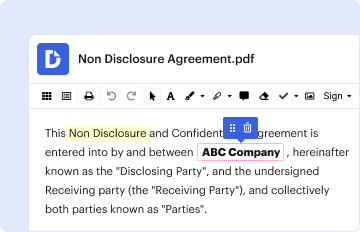
01. Edit your mount sinai high risk pregnancy referral form online
Type text, add images, blackout confidential details, add comments, highlights and more.
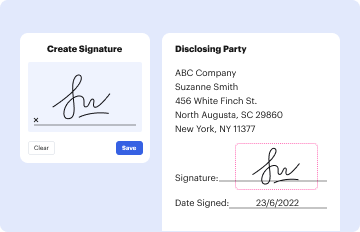
02. Sign it in a few clicks
Draw your signature, type it, upload its image, or use your mobile device as a signature pad.
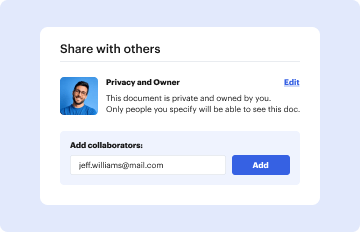
03. Share your form with others
Send it via email, link, or fax. You can also download it, export it or print it out.
How to use or fill out mount sinai high risk pregnancy referral form with our platform

- Click ‘Get Form’ to open the mount sinai high risk pregnancy referral form in the editor.
- Begin by filling out the Referring Physician Info section. Enter your name, practice ID, specialty, phone number, and fax number accurately.
- Next, complete the Patient Info section. Provide the patient's first and last name, PHN/OHIP number, date of birth (DD/MM/YY), and email address.
- In the Reason for Referral section, describe the purpose of the referral using either the free text box or by checking relevant boxes such as 'Concurrent management throughout pregnancy' or 'Education and counseling'.
- Fill out the IBD History and Gestational Status sections. Indicate whether the patient is pre-conception or pregnant, along with details like EDD and trimester information.
- Lastly, ensure to include any necessary laboratory tests and investigations as attachments before submitting.
Start using our platform today to streamline your document editing experience for free!
Fill out mount sinai high risk pregnancy referral form online
It's free
It's free
See more mount sinai high risk pregnancy referral form versions
We've got more versions of the mount sinai high risk pregnancy referral form form. Select the right mount sinai high risk pregnancy referral form version from the list and start editing it straight away!
Got questions?
We have answers to the most popular questions from our customers. If you can't find an answer to your question, please contact us.
Contact us
What happens at your first high risk appointment?
During your first appointment with your maternal-fetal medicine doctor, you might: Discuss test results or the need for more testing, such as additional ultrasounds, echocardiograms or blood tests. Learn more about any conditions you have and what risk they pose to you or your childs health.
What not to do during high-risk pregnancy?
If you use any form of tobacco or e-cigarettes, quit. Dont drink alcohol or take illegal drugs during pregnancy. Tell your healthcare professional about any medicines or supplements you take.
Why am I being referred to a high-risk pregnancy doctor?
Problems during pregnancy Your obstetrician may call in MFM experts at any time during your pregnancy. Some of the most common reasons for re-classifying your pregnancy as high risk include: Evidence of possible congenital disabilities. Low amniotic fluid or too much amniotic fluid.
Who qualifies for high-risk pregnancy?
What factors make a pregnancy high risk? Autoimmune diseases, such as lupus or multiple sclerosis (MS). Diabetes. High blood pressure. Fibroids. HIV/AIDS. Kidney disease. Obesity. Mental health disorders, such as depression.
What do they check for high-risk pregnancy?
Ultrasound scans may detect conditions such as spina bifida. Blood tests can show whether you have a higher chance of inherited conditions such as sickle cell anaemia and thalassaemia, and whether you have infections like HIV, hepatitis B or syphilis.
Security and compliance
At DocHub, your data security is our priority. We follow HIPAA, SOC2, GDPR, and other standards, so you can work on your documents with confidence.
Learn more


People also ask
What to expect at a high-risk pregnancy appointment?
A: A maternal-fetal medicine specialist (or perinatologist) receives a traditional obstetrics and gynecology education but with an additional three years of training to learn how to treat medical complications that are related to pregnancy.