
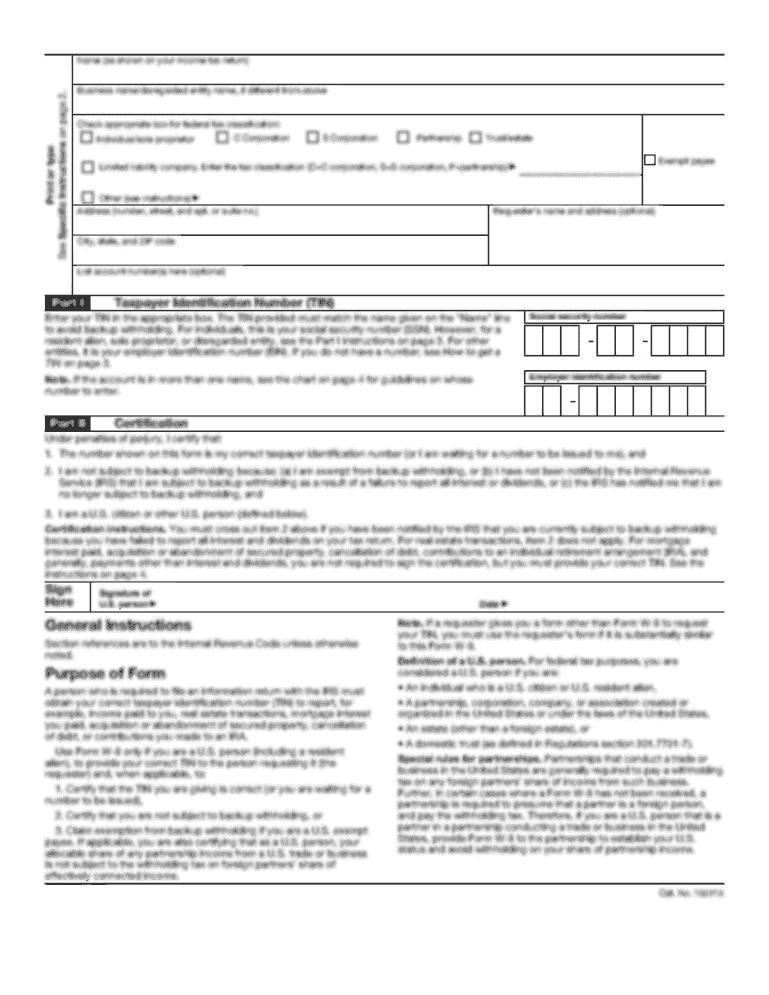







Definition and Purpose of W-9 Form
The W-9 form, Request for Taxpayer Identification Number and Certification, is a fundamental document utilized by entities within the United States to collect taxpayer identification details from individuals or businesses. It primarily facilitates the identification of recipients, ensuring they provide their correct Taxpayer Identification Number (TIN). The TIN can either be a Social Security Number (SSN) for individuals or an Employer Identification Number (EIN) for businesses. This form is essential in reporting income paid to the IRS, aligning with federal tax regulations.
How to Obtain a Blank W-9 Form
Individuals can access a blank W-9 form through multiple avenues. The Internal Revenue Service (IRS) website offers a downloadable version, ensuring easy accessibility and compliance with the latest regulatory norms. Alternatively, businesses or individuals can request the form from entities that require the tax information. Given its widespread use, many financial institutions and employers also provide the document. For convenience, the form can also be filled out digitally through secure platforms like DocHub, which supports seamless online interactions.
Step-by-Step Guide to Completing a W-9 Form
-
Provide Personal Information:
- Fill out your name as shown on your tax return and your business name if applicable.
- Indicate your federal tax classification—options include individual/sole proprietor, C corporation, S corporation, partnership, or trust.
-
Input Taxpayer Identification Number:
- Enter your SSN or EIN as applicable to you or your business entity.
-
Certification:
- Read through the certification section carefully, ensuring you meet the requirements.
- Sign and date the form to verify the information provided is correct and complete.
Users of the W-9 Form
The W-9 form is predominantly used by U.S. persons, which includes individuals, partnerships, corporations, estates, and certain trusts. It is typically utilized by independent contractors and freelancers to ensure their income is reported correctly to the IRS. Additionally, businesses use it to gather information from vendors or subcontractors. Financial institutions and brokerage firms also request a W-9 to ensure accurate record-keeping for dividend and interest payments.
Legal Use and Compliance of the W-9 Form
Legally, the blank W-9 form is not sent to the IRS; instead, it should be given to the requester, who uses the form to prepare appropriate tax documents, such as Form 1099. Compliance with the form requirements ensures that the information provided matches IRS records, safeguarding against issues like backup withholding. Completing the W-9 accurately and promptly is essential to avoid penalties related to information mismatches or late submissions.
Key Elements Found in a W-9 Form
Several critical sections comprise the W-9 form. These include:
- Personal and business identification fields.
- Tax classification designation.
- Certification area for confirming the accuracy of the provided tax information. Understanding each section is vital for proper completion, as errors or omissions can lead to significant tax liabilities or processing delays.
IRS Guidelines for the W-9 Form
Adhering to IRS guidelines is crucial when handling the W-9 form. The IRS mandates that individuals and businesses furnishing the form should do so promptly upon request to avoid backup withholding penalties. The guidelines also specify that the TIN provided must match IRS records, ensuring accuracy in income reporting. Regularly checking for updates regarding IRS forms and procedures can help maintain compliance and avoid unnecessary complications.
Penalties for Non-Compliance
Failing to complete the W-9 form correctly can attract penalties. One of the primary penalties is a backup withholding tax, where a percentage of the payment is withheld if the TIN is missing or incorrect. Additionally, errors in certification may invite further scrutiny from the IRS, potentially leading to fines. Ensuring the completeness and accuracy of information on the W-9 is therefore essential to maintain tax compliance and avoid financial penalties.




