





Definition & Meaning
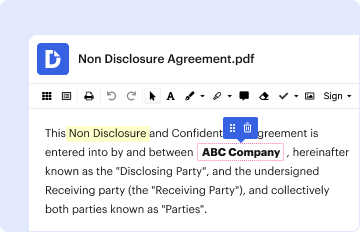
Forms completed or signed online are digital documents that facilitate various transactions or data collection tasks, streamed through internet-enabled platforms. These forms eliminate the necessity of physical paperwork, offering efficient solutions for individuals and businesses to interact. They cover diverse uses, including legal agreements, application processes, and accounting tasks. Online forms typically integrate with document management solutions, enhancing productivity and ensuring accessibility from any location with an internet connection. The transformation from traditional paperwork to online forms supports the trend towards digitization in document management.
How to Use the Form Online
Using an online form involves a straightforward process. First, users must access the platform hosting the form, which can be a website or a dedicated application. After logging in, users can fill out the form fields that correspond to their requirements. To do this efficiently, it's essential to carefully read each section and provide accurate information. Additional tools, such as autofill features and data validation, help ensure the completeness and correctness of the entered data. Once completed, the form can typically be submitted directly through the platform, triggering any subsequent workflow or approval processes.
Example Scenario
- A company requires employees to submit a travel reimbursement form. Employees access the form through the company's intranet, fill it out by entering travel details and associated expenses, and attach digital copies of receipts. They then digitally sign the form and submit it, where it moves through an automated approval chain.
Steps to Complete the Form Online
Completing an online form involves multiple key steps to ensure accuracy and completeness:
- Access the Online Form: Navigate to the website or platform that hosts the form and log in if necessary.
- Review Form Requirements: Before filling out the form, review the instructions and required fields to understand the needed information.
- Fill Out the Form: Enter the required data into each form section, using autofill tools if available to expedite the process.
- Attach Supporting Documents: If necessary, upload any required attachments or supporting documentation.
- Review Entries: Carefully review each section for errors or omissions to avoid submission rejection.
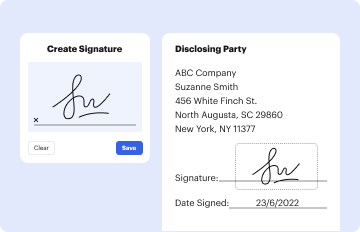
- Sign and Submit: Apply a digital or electronic signature if required and submit the form for processing.
Why Should You Form Online
Filling out forms online offers several benefits compared to traditional paper forms:
- Convenience: Complete forms from any location with internet access, removing the need for physical presence.
- Efficiency: Streamline the submission and approval processes, reducing the time spent on administrative tasks.
- Accuracy: Use built-in data validation tools to minimize errors in submissions.
- Integration: Seamlessly incorporate data with other digital systems, enhancing overall workflow efficiency.
- Sustainability: Reduce paper usage, contributing to environmental conservation efforts.
Important Terms Related to Form Online
Understanding common terms associated with online forms enhances familiarity with the process:
- Digital Signature: An electronic mechanism to authenticate a document's signatory, ensuring the form's integrity.
- Autofill: A feature that automatically populates form fields with frequently used data, easing data entry.
- Data Validation: Embedded rules within the form to ensure correct data input, such as requiring numerical entries for dates.
- Submission Confirmation: A notification or receipt confirming that a form has been successfully submitted.
- Responsive Design: The form's capability to adjust its layout based on the device used, such as mobile phones or desktops.
Legal Use of the Form Online
Online forms must comply with legal standards to be valid and enforceable:
- Compliance with ESIGN Act: Ensures that electronic signatures and records are recognized as legally binding.
- Data Protection Laws: Online forms handling personal data should adhere to applicable laws, such as GDPR in Europe or CCPA in California for data privacy.
- Record Keeping: It is important to store a copy of submitted forms for audit trails and potential legal reference.
Required Documents
Completing an online form often necessitates accompanying documents to validate the entered information:
- Identification Proof: Such as a driver's license or passport, for identity verification.
- Financial Statements: For forms related to monetary transactions, including bank statements or payroll stubs.
- Supporting Evidence: Specific requirements related to the form's purpose, like legal agreements or invoices.
Note
Each form type may have unique document requisites, so reviewing the form's requirements is crucial to ensure an accurate submission.
Digital vs. Paper Version
The choice between digital and paper forms depends on specific needs:
-
Digital Forms:
- Instant submission and confirmation of receipt.
- Enhanced accuracy using automated error checks.
- Easy data storage and retrieval.
-
Paper Forms:
- Necessary in environments without internet access.
- Effective for situations requiring physical signatures or notarization.
Digitizing processes through digital forms offers significant benefits, but paper forms remain vital under certain circumstances.