
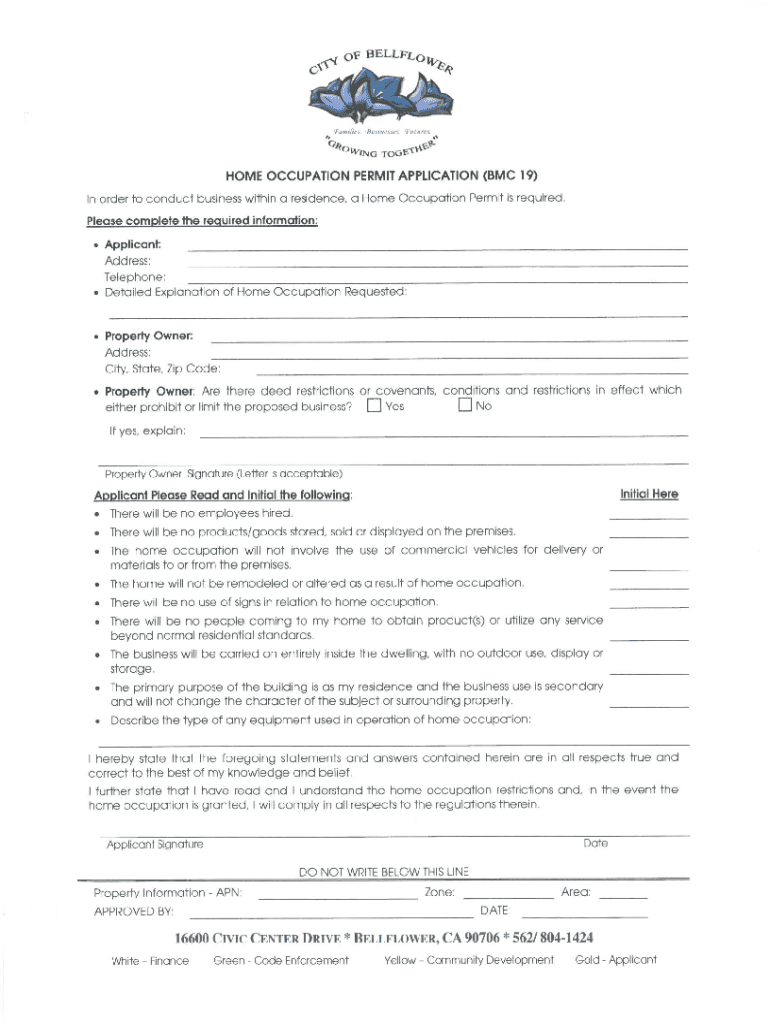







Definition & Meaning
The term "form online" refers to a digital version of a traditional paper form that can be completed and submitted via the internet. This transformation from paper to electronic format allows for improved accessibility, efficiency, and convenience. Such forms are commonly used for a variety of purposes, including applications, registrations, surveys, and information collection. They eliminate the need for physical paperwork and allow for faster processing and retrieval of data.
How to Use the Form Online
Utilizing an online form involves several straightforward steps. First, access the platform hosting the form, such as DocHub. Next, navigate to the relevant section where the form is available. Once there, users typically fill out required fields with information including personal details, selections, and any other necessary data. Online forms often have interactive elements like dropdown menus and checkboxes to facilitate input. After completing the form, users can submit it electronically, ensuring that their information is promptly received and processed.
Practical Examples
- Completing a membership application for a professional organization.
- Submitting a job application to a prospective employer.
- Registering for an online course or seminar.
Steps to Complete the Form Online
-
Access the Form: Visit the website or platform offering the form. Look for a section dedicated to forms or use a search feature if available.
-
Enter Information: Fill in all required fields, ensuring accuracy. Interactive elements like dropdown menus and date pickers can help streamline this step.
-
Review Your Submission: Before submitting, review all entries for correctness and completeness. This is to avoid future corrections.
-
Submit the Form: Click the submit button to send the information electronically. Confirmation of submission might be received via email or an on-screen message.
Potential Errors and Solutions
- Missing Information: Ensure all required fields are filled out before submission to prevent errors.
- Incorrect Entries: Double-check entries that might require specific formats, such as dates or social security numbers.
Why Should You Form Online?
Using online forms reduces the time and resources traditionally required to process paper forms. It ensures faster communication as submissions are instantly sent to the recipient's system, reducing delay. Online forms also improve accuracy due to automatic formatting and validation checks that reduce the likelihood of errors. Their convenience makes them a popular choice for both businesses and individuals looking for efficiency and reliability.
Benefits of Online Forms
- Accessibility: Available 24/7 from any internet-enabled device.
- Cost-Effective: No need for physical materials like paper and ink.
- Environmentally Friendly: Reduces paper waste.
Who Typically Uses the Form Online?
Online forms are utilized by diverse groups including individual users, businesses, non-profit organizations, and government agencies. Businesses use them for contact forms, order submissions, and customer feedback. Government entities might employ them for registrations, permit applications, or tax submissions. Non-profits utilize them for volunteer registrations and donation forms.


User Scenarios
- Businesses: Enhance customer interaction through feedback forms.
- Educators: Collect student registrations for courses.
- Healthcare: Patient intake forms improve data collection efficiency.
Important Terms Related to Form Online
Understanding key terms related to online forms can enhance their effective use:
- URL (Uniform Resource Locator): Web address where the form can be accessed.
- Captcha: Security feature to verify user identity and prevent bots.
- Encryption: Protects data submitted through online forms from unauthorized access.
Legal Use of the Form Online
Online forms must adhere to legal standards to ensure compliance and protect user data. This includes user consent, data protection laws such as the General Data Protection Regulation (GDPR) in the EU, and the Electronic Signatures in Global and National Commerce Act (ESIGN) in the U.S. to make digital signatures legally binding.
Compliance Practices
- Privacy Policies: Clearly state how user data will be used and stored.
- Authentication: Use secure methods to verify user identity.
Form Submission Methods (Online / Mail / In-Person)
Forms can be submitted in various ways:
- Online: Direct submission through the host platform or email.
- Mail: Printed forms mailed to the respective recipient.
- In-Person: Physical delivery to the organization or business.
Choosing the Best Method
- Speed: Online submissions are instant, whereas mail and in-person may involve delays.
- Preference: Businesses may require specific submission methods depending on security or verification needs.
Software Compatibility
Online forms can integrate with software applications like TurboTax or QuickBooks for data collection and processing. Compatibility ensures that form data can automatically populate or synchronize with other tools, enhancing productivity and accuracy in tasks such as accounting or tax filing.
Software Examples
- Document Management: Sync with cloud storage solutions like Google Drive.
- Accounting: Directly import form data into financial applications.
State-Specific Rules for the Form Online
Different states might have distinct regulations regarding the use of online forms. It's essential for users to understand state-specific requirements that may affect data collection, validation processes, and submission procedures. Ensuring compliance with these rules is important to avoid legal issues and ensure the intended function of the form.
Considerations
- Tax Forms: Different requirements for state-specific tax forms.
- Legal Documents: Varying notarization laws by state.
Key Takeaways
Online forms provide a fast, efficient, and secure method to gather information, with widespread applications across various sectors. They offer significant advantages over traditional paper forms, particularly in speed and environmental impact. Understanding the nuances of their use and compliance will ensure they serve their intended purpose effectively and legally.




