



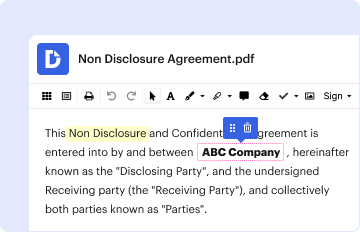
01. Edit your how to get clearance letter from dubai islamic bank online free online
Type text, add images, blackout confidential details, add comments, highlights and more.

Type text, add images, blackout confidential details, add comments, highlights and more.
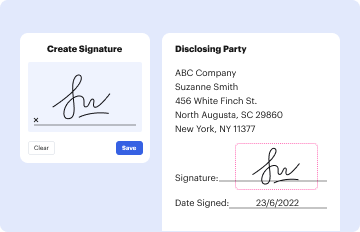
Draw your signature, type it, upload its image, or use your mobile device as a signature pad.
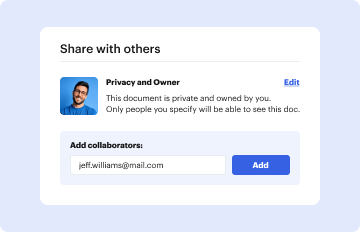
Send how to get clearance letter from dubai islamic bank online via email, link, or fax. You can also download it, export it or print it out.
Dubai Islamic Bank provides various forms essential for conducting banking transactions, including applications for financial facilities, clearance letters, and other requests. These forms can be downloaded through the bank's official website, facilitating a smoother banking experience. This section outlines essential information related to the different types of forms available and how to efficiently navigate the download process.
The forms available for download from Dubai Islamic Bank serve a range of purposes. Key forms include:
Finance Application Forms: These are used when applying for finance facilities, such as personal loans or mortgage financing. Applicants typically need to provide detailed personal and financial information.
Clearance Letters: This includes requests for clearance letters that confirm the financial status of an individual or entity with the bank. These letters might be necessary for various transactions, such as applying for loans with other institutions or formal documentation.
Liability Letters: For customers seeking to clarify their outstanding liabilities with the bank. This form is critical for borrowers who need to verify their financial obligations.
Understanding the specific forms available aids in ensuring the correct documents are selected based on individual banking needs.
To download forms from Dubai Islamic Bank, follow these steps:
This process enhances user experience, allowing customers to manage their banking needs efficiently from home or office.
Different forms cater to various banking needs. The two examples below highlight their usage:
Dubai Islamic Bank Clearance Letter: This document confirms the status of an account holder with the bank. It is often required for those who are moving to new banks or to provide proof of financial responsibility.
DIB Liability Letter: Necessary for individuals looking to clarify their existing obligations. This form can aid in consolidating debts or when applying for additional financing.
These forms are instrumental in maintaining transparency in banking relationships, ensuring customers have the necessary documentation for their financial activities.
Using incorrect forms can lead to delays in processing requests or applications. To avoid complications:
Clarifying requirements beforehand can expedite the process, preventing unnecessary back-and-forth communication with bank officials.
To assist users navigating the forms download process, several common queries include:
Can I submit forms online?: Certain forms may allow for online submission. However, many documents still require either electronic signatures or physical submission.
What if I need a form not listed online?: Contact customer support directly to inquire about specific forms that may not be readily available online.
By addressing these questions, customers can better prepare for their interactions with the bank and understand the limitations and requirements associated with their requests.
We've got more versions of the how to get clearance letter from dubai islamic bank online free form. Select the right how to get clearance letter from dubai islamic bank online free version from the list and start editing it straight away!
| Versions | Form popularity | Fillable & printable |
|---|---|---|
| 2014 | 4.8 Satisfied (39 Votes) |
Most eSignature solutions require users to have a paid subscription. With DocHub, there are two options for you to add an electronic signature to your dubai islamic bank clearance letter at no cost:
The second option, however, has limitations on the number of signatures, sign requests, emails, and forms for adjusting available per month. You can check for full information here.
When you edit your dib clearance letter with DocHub, you merely require a steady web connection and virtually any browser installed on your device. No need to set up any third-party software or research guides. Just open a tab with DocHub, drag and drop your file, and edit it immediately.
At DocHub, your data security is our priority. We follow HIPAA, SOC2, GDPR, and other standards, so you can work on your documents with confidence.
by S Usmani 2024 Cited by 13 The 5 full-fledged Islamic Banks include Al Baraka Bank Pakistan Limited, Bank Islami Pakistan Limited, Dubai Islamic Bank Pakistan, Meezan bank Limited and MCBRead more
by J Montgomery Cited by 5 Islamic banking and finance defines ribā as any form of interest on any type of loan. Dubai Islamic Bank (Dubai, U.A.E),


