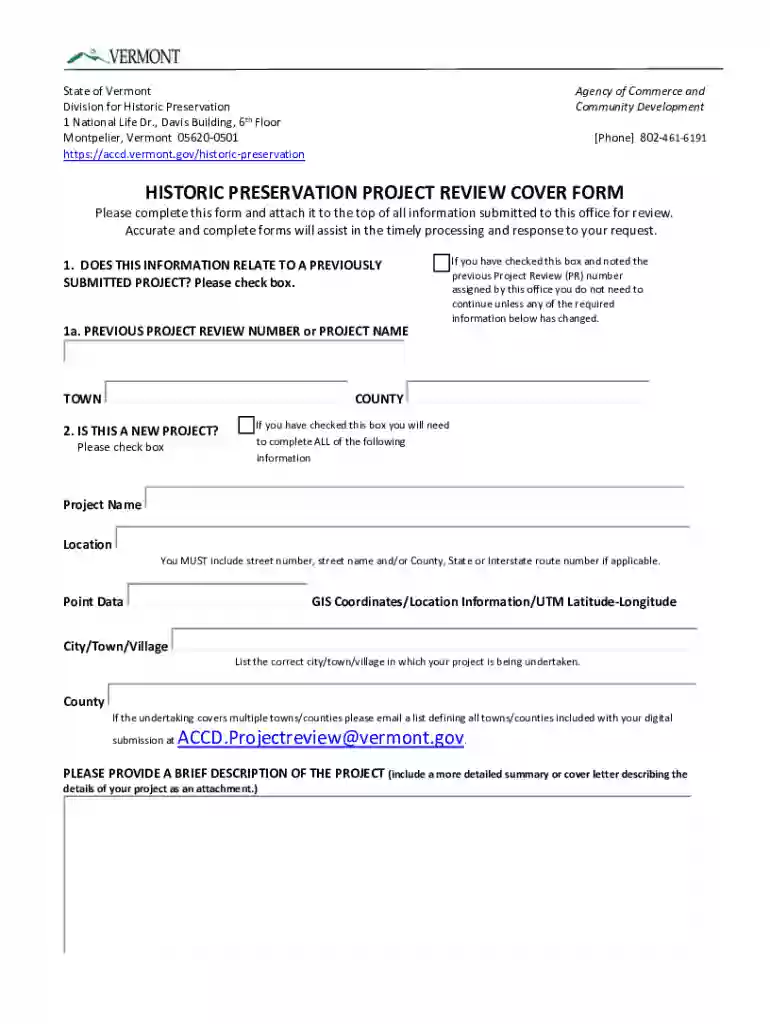
Historic Preservation Project Review Cover Form 2026

Get Form
vermont historic preservation project Preview on Page 1

Here's how it works

01. Edit your vermont historic preservation project online
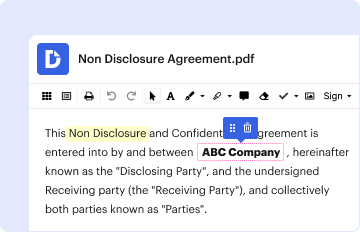
Type text, add images, blackout confidential details, add comments, highlights and more.

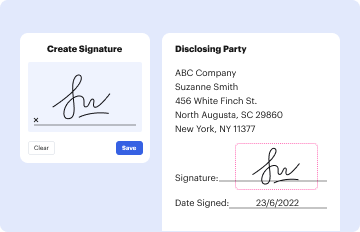
02. Sign it in a few clicks
Draw your signature, type it, upload its image, or use your mobile device as a signature pad.

03. Share your form with others
Send vermont division historic preservation project via email, link, or fax. You can also download it, export it or print it out.

How to use or fill out Historic Preservation Project Review Cover Form with DocHub

Form edit decoration
9.5
Ease of Setup
DocHub User Ratings on G2
9.0
Ease of Use
DocHub User Ratings on G2
  1. Click ‘Get Form’ to open the Historic Preservation Project Review Cover Form in our editor.
  2. Begin by indicating if this information relates to a previously submitted project. Check the appropriate box and provide the previous Project Review number if applicable.
  3. If this is a new project, check the corresponding box and complete all required fields, including Project Name, Location (street number, street name, County, State), and GIS Coordinates.
  4. Provide a brief description of your project. Attach any additional documents that detail your project further.
  5. Answer the questions regarding permits and historic property involvement. Check the relevant boxes and list any involved agencies.
  6. Ensure you attach all required materials such as project descriptions, location maps, site plans, project plans, and photographs as specified in the form.
  7. Finally, fill in your contact information accurately to ensure timely communication regarding your submission.

Start using our platform today to streamline your Historic Preservation Project Review process for free!

be ready to get more

Complete this form in 5 minutes or less

Get form

Got questions?

We have answers to the most popular questions from our customers. If you can't find an answer to your question, please contact us.
Contact us
Entry-level preservation positions typically require a graduate degree in historic preservation or architectural history. Masters degrees in historic preservation or architectural history are offered at many universities often in the architecture school.
SHPOs Role in State Government In addition to their roles within the Federal historic preservation program, SHPOs also function within their own state governments.
SHPO review is triggered by state and federal actions, funding, or approvals and is often conducted in parallel with local and federal environmental review. SHPO staff evaluate all projects using the Secretary of the Interiors Standards for the Treatment of Historic Properties .
Every State and U.S. Territory has a SHPO who, with the support of qualified staff, are charged with: Conducting a comprehensive survey of historic properties. Maintaining an inventory of historic properties. Administering state programs of Federal assistance.
The Standards for the Treatment of Historic Properties address four treatments: preservation, rehabilitation, restoration, and reconstruction.

Security and compliance

At DocHub, your data security is our priority. We follow HIPAA, SOC2, GDPR, and other standards, so you can work on your documents with confidence.

Learn more
ccpa2
pci-dss
gdpr-compliance
hipaa
soc-compliance

People also ask

Georgias State Historic Preservation Office promotes the preservation and use of historic places for a better Georgia.
Since 1970, State and Tribal Historic Preservation Offices have received matching grants through the Historic Preservation Fund (HPF) to assist in expanding and accelerating their historic preservation activities. Historic Preservation Fund (HPF) grants are awarded annually based on an apportionment formula.
THPOs have the responsibilities of State Historic Preservation Officers, but on tribal lands. The THPO must have assumed some or all of the functions of State Historic Preservation Officers on Tribal lands. They advise and work with federal agencies on the management of tribal historic properties.

Related links