






Understanding a Land Sale Agreement in Nigeria
A land sale agreement in Nigeria is a legally binding contract between a seller and a buyer that outlines the terms under which a piece of land is sold. This document is critical to protect the interests of both parties involved in the transaction. It contains a number of essential elements that ensure clarity and security in the sale process.
Essential Components of a Land Sale Agreement
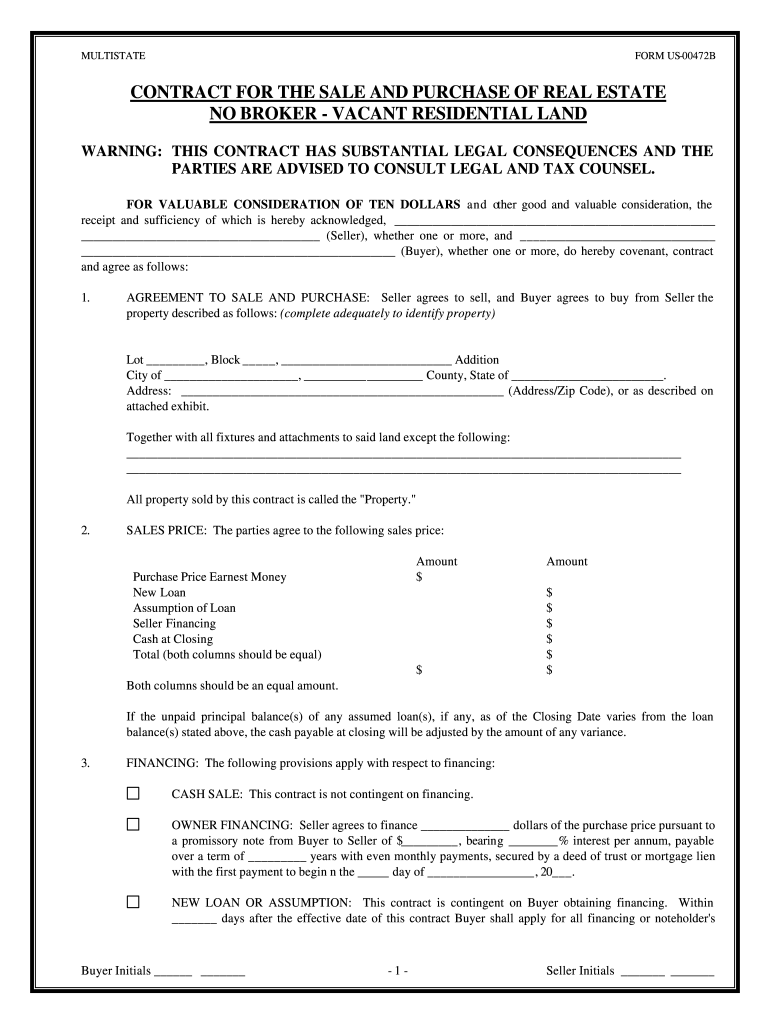
- Parties Involved: The agreement must clearly state the names and addresses of the seller and buyer, including any additional parties required in the transaction.
- Property Description: A detailed description of the land being sold is critical. This includes the size, location, and any unique features that identify the property.
- Sales Price: The agreed-upon sales price must be explicitly stated, along with any payment terms, such as whether it will be paid in full upfront or in installments.
- Earnest Money Deposit: An earnest money deposit refers to a sum paid to demonstrate the buyer's commitment to the purchase. The agreement should specify the amount and its conditions, such as when it becomes non-refundable.
- Closing Details: Important dates regarding the closing of the sale should be included, specifying when the ownership will officially be transferred.
- Title Conveyance: The document must outline the process for transferring the title of the land, ensuring that all legal requirements are met for a smooth handover.
- Legal Obligations: Both parties should acknowledge their responsibilities. For the seller, this may include disclosing information about the property’s condition or any liens, while the buyer may need to ensure financing is secured.
Legal Context and Importance
The land sale agreement is not only important for the immediate transaction but also carries substantial legal implications. Failure to comply with the terms laid out in the agreement can lead to disputes or legal action. It is advisable that individuals consult with a legal professional who specializes in real estate to ensure that all aspects of the agreement are appropriately addressed. This can protect both parties from potential future liabilities.
Process for Drafting a Land Sale Agreement
When creating a land sale agreement, the following steps are typically taken:
-
Gather Necessary Information:
- Collect details about the seller and buyer.
- Obtain a clear land description, including maps and survey details if available.
-
Draft the Agreement:
- Use a template or example as a guide to ensure all necessary components are included.
- Clearly define each party's rights and obligations.
-
Review and Revise:
- Both parties should review the agreement carefully, making adjustments as needed based on discussions or negotiations.
-
Legal Review:
- Before finalizing the agreement, have it reviewed by a qualified legal advisor to ensure it complies with local laws and regulations.
-
Sign the Agreement:
- Once all parties are satisfied with the terms, proceed to sign the document. It may be beneficial to have witnesses present.
Common Variants of Land Sale Agreements
There are several types of land sale agreements that may vary based on the specifics of the transaction:
- Conditional Sale Agreement: An option for buyers who may not be able to complete the purchase immediately. It allows control over the property while securing financing.
- Installment Sale Agreement: This agreement allows the buyer to make payments over time rather than paying the sales price all at once.
- Agreement to Lease: Sometimes, buyers may choose to lease the land before committing to purchase it outright, which can be an attractive option for agricultural or commercial use.
Cultural and Practical Considerations
In Nigeria, the complexity of land ownership can differ from region to region, and local customs may influence the terms of land agreements. It's crucial for buyers to be aware of communal land ownership systems that might affect their purchase rights. Additionally, understanding local payment customs, taxes, and fees are essential to avoid surprises during the transfer process.
Conclusion
A sample of a land sale agreement in Nigeria can serve as a valuable reference for individuals looking to formalize a property transaction. By understanding the essential components, legal context, drafting process, and common variants, parties can engage in the sale of land with greater confidence and security.