Review discusshourlysafetyroundsregularlyatstaffmeetings 2026

Get Form
Review discusshourlysafetyroundsregularlyatstaffmeetings Preview on Page 1

Here's how it works

01. Edit your form online
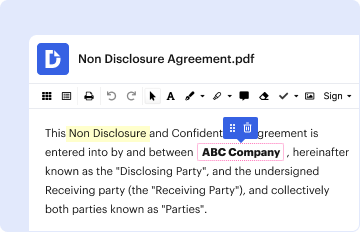
Type text, add images, blackout confidential details, add comments, highlights and more.
02. Sign it in a few clicks
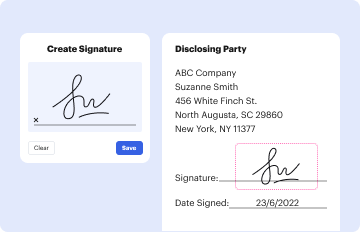
Draw your signature, type it, upload its image, or use your mobile device as a signature pad.
03. Share your form with others
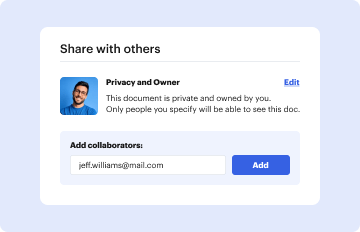
Send it via email, link, or fax. You can also download it, export it or print it out.

How to use or fill out Review discusshourlysafetyroundsregularlyatstaffmeetings

Form edit decoration
9.5
Ease of Setup
DocHub User Ratings on G2
9.0
Ease of Use
DocHub User Ratings on G2
  1. Click ‘Get Form’ to open it in the editor.
  2. Begin by reviewing the introductory section, which outlines the purpose of the form. Familiarize yourself with the key elements that need to be in place for successful hourly safety rounds.
  3. Fill out the fields related to your team’s involvement in safety rounds. Ensure you include all relevant roles such as nurses and patient care associates.
  4. In the section regarding outcomes, input data on quarterly fall rates and pressure ulcer rates. This will help track the effectiveness of your safety rounds.
  5. Utilize the scripting section to document how you plan to communicate with patients during rounds, ensuring consistency across your team.
  6. Finally, review all entries for accuracy before saving or sharing your completed form with your team.

Start using our platform today to streamline your document editing and enhance your workflow!

be ready to get more

Complete this form in 5 minutes or less

Get form

Got questions?

We have answers to the most popular questions from our customers. If you can't find an answer to your question, please contact us.
Contact us
Caring behavior impacts care quality and improves patients satisfaction. Hourly rounding aims at preventing missed care and improving hospital patient satisfaction.
Hourly rounding using the 5 Ps (Pain, Position, Potty, Periphery, and Pump) is one of the most effective strategies to improve patient experience, safety, and outcomes. In high-performing hospitals, nurse leaders standardize the 5 Ps as part of a proactive rounding strategy. The results?
Essential components of hourly rounding, often referred to as the 5 Ps, include assessing pain, restroom needs, proximity of possessions, patient position, and safety of environment for patients every hour during waking hours (Brosey March, 2015).
4: Microsystem Assessment and the 5Ps This chapter provides a quick reference on performing a microsystem assessment in various healthcare settings, highlighting the 5Ps, including purpose, patients, professionals, processes, and patterns.
The five Ps in the model for nursing rounding are Pain, Position, Personal needs, Proximity, and Patient Education. Each of these elements exhibits a strategic function in the delivery of care to the patients levels of satisfaction.
be ready to get more

Complete this form in 5 minutes or less

Get form

People also ask

RN patient rounds done every 2 h with intention improved patient satisfaction and other patient outcomes such as a decrease in call light usage. Background. Physical restraint is any chemical or physical involuntary method restricting an individuals movement, physical activity, or normal access to the body.
They are: Pain, Potty, Periphery, Position Pump. Pain. Is the patient experiencing any pain? Potty. Does the patient need to use the bathroom? Periphery. Do they have all of their personal belongings within docHub? Position. Is the patient comfortable? Pump. Are all the patients pumps and items in their room plugged in?

Related links