




Here's how it works
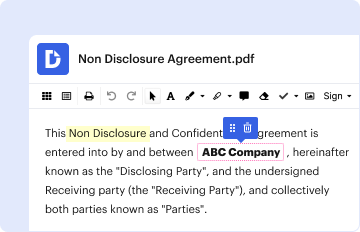
01. Edit your pams assessment questions and answers online
Type text, add images, blackout confidential details, add comments, highlights and more.
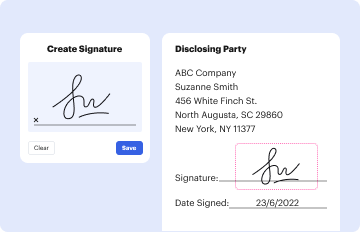
02. Sign it in a few clicks
Draw your signature, type it, upload its image, or use your mobile device as a signature pad.
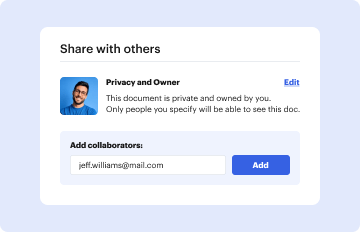
03. Share your form with others
Send it via email, link, or fax. You can also download it, export it or print it out.
How to use or fill out pams assessment pdf with our platform

- Click ‘Get Form’ to open the pams assessment PDF in the editor.
- Begin by entering your personal information at the top of the form, including your name, address, phone number, and email. This ensures that Care1st can contact you if needed.
- Proceed to the questions section. For each question, select the appropriate box or provide additional information as required. Use the text fields for any descriptions where necessary.
- For questions regarding your health status and living arrangements, check all applicable boxes. This helps Care1st understand your needs better.
- Once you have completed all sections, review your answers for accuracy. Make any necessary edits directly in the editor.
- Finally, save your completed form and follow the instructions for submission provided in the document.
Start using our platform today to easily fill out and submit your pams assessment PDF for free!
Fill out pams assessment pdf online
It's free
It's free
See more pams assessment pdf versions
We've got more versions of the pams assessment pdf form. Select the right pams assessment pdf version from the list and start editing it straight away!
| Versions | Form popularity | Fillable & printable |
|---|---|---|
| 2009 | 4.7 Satisfied (61 Votes) |
Got questions?
We have answers to the most popular questions from our customers. If you can't find an answer to your question, please contact us.
Contact us
How to pass a Pams assessment?
What other factors can be considered during a PAMS assessment? Your personal hygiene and overall presentation. Your parenting knowledge. Your attitude towards parenting (always aim to be positive) Your current relationship with your children. Your ability to take responsibility for your child. Any issues within your family.
What are the 7 principles of assessment pdf?
Principle 1 - Assessment should be valid. Principle 2 - Assessment should be reliable and consistent. Principle 3 - Information about assessment should be explicit, accessible and. transparent. Principle 4 - Assessment should be inclusive and equitable.
What is a Pams test?
A PAMS (Parent Assessment Manual) Assessment is a practical-based assessment undertaken when a parent or carer has a degree of learning need. This assessment focuses on a parents practical capabilities to meet the needs of the child.
How long does a Pams assessment take?
Parenting Assessments generally take about ten weeks. Parenting Assessments look in detail at what you do well as a parent and look at any areas where you may need help. essments help you show the knowledge and skills you have to help you parent your child and help identify anything you need to improve.
What questions are asked during the PAMS assessment?
What questions are asked during a PAMS assessment? During a PAMS assessment, you may be asked questions regarding: Your diagnosis, disability or learning difficulties. Your early life experience, including your family situation, the parenting style youve experienced, your relationship with your siblings, etc.
Security and compliance
At DocHub, your data security is our priority. We follow HIPAA, SOC2, GDPR, and other standards, so you can work on your documents with confidence.
Learn more


People also ask
Are Pams assessments still used?
On 23rd August 2023, the Parent Assessment Manual (PAMS) used by Social workers to understand the needs of the children they represent was phased out and replaced with the ParentAssess assessment tool. The newer tool was introduced because users found the PAMS tool outdated, complex and difficult to apply.
How to pass a self-assessment test?
Here are a few tips to make it go easier: Answer honestly. Personality tests often include questions that ask for answers on a scale. Avoid too many of the same answers. Study the job description. Consider taking a practice test. Take your time. Expect questions about your honesty and integrity.
How do you pass a parenting assessment?
Clear communication: Keep an open dialogue with assessors, listen to their suggestions, and share your thoughts and concerns throughout the assessment. Protecting children from harm: Prioritise your childs welfare, ensuring their physical and emotional safety is always maintained.