
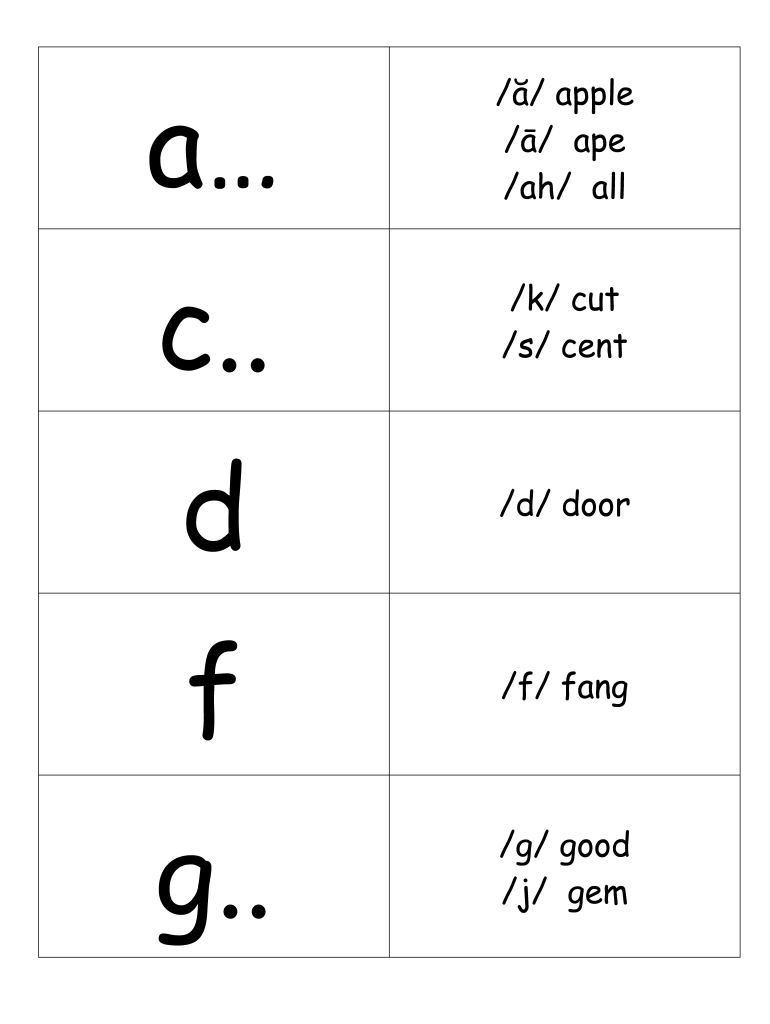







Understanding Spalding Phonogram Cards
Spalding phonogram cards serve as essential educational tools designed to support phonics instruction and improve reading skills. Each card represents a specific phonogram, showcasing the sounds associated with letter combinations. This structured approach aids learners in recognizing patterns in words, ultimately enhancing reading fluency and comprehension. The Spalding method emphasizes the importance of direct phonics instruction, making these cards invaluable for educators and parents alike.
Types of Spalding Phonogram Cards
-
Basic Phonogram Cards: These cards represent the 70 foundational phonograms in the English language and include various letter combinations. For instance, the card for “sh” illustrates the sound made when these letters are combined, providing clear guidance to learners.
-
Printable Phonogram Cards: Available in PDF format, these printable options offer flexibility for teachers and parents. They can be easily duplicated for group activities or individual practice, allowing for customized lesson plans.
-
Interactive Flashcards: Incorporating visual elements into phonogram learning can enhance engagement. Flashcards often feature images or words that correspond to the phonogram sound, making the learning process more interactive.
How to Use Spalding Phonogram Cards Effectively
To maximize the benefits of Spalding phonogram cards, educators can adopt various instructional strategies:
-
Direct Instruction: Begin lessons by introducing a specific phonogram card, pronouncing the sound clearly. This direct approach aids learners in associating sounds with letter patterns.
-
Group Activities: Utilize the cards in group settings, allowing students to take turns identifying and using phonograms in words. This interactive approach fosters collaboration and assists students in learning from one another.
-
Individual Practice: Assign phonogram cards for individual practice. Learners can match sounds to words, reinforcing their phonetic understanding and building confidence in their reading abilities.
Benefits of Using Spalding Phonogram Cards
Spalding phonogram cards offer several advantages in the educational landscape. These cards:
- Promote phonetic awareness by providing a visual representation of sounds.
- Encourage systematic reading instruction, which is particularly beneficial for struggling readers.
- Aid in retention by allowing repetitive practice through physical cards, which can be more engaging than digital alternatives.
Accessing Spalding Phonogram Cards PDF
For those seeking to use the Spalding phonogram cards in a digital format, various resources provide downloadable PDFs. These cards can be easily printed to create a hands-on learning experience. Many educators appreciate the convenience of having access to these resources online. Printable versions enable quick adjustments to lesson plans and provide modular teaching options.
Customizing Spalding Phonogram Instruction
Customization of instruction with the use of Spalding phonogram cards ensures that all learners receive tailored support:
-
Multi-Sensory Learning: Combine visual cards with auditory sounds, and kinesthetic activities such as writing letters in the air or sand. This approach caters to diverse learning styles.
-
Monitoring Progress: Educators can create assessments based on phonogram recognition using the cards. Tracking student progress with specific phonograms helps identify areas needing further development.
-
Differentiation: Teachers can select cards according to each student’s individual reading level, ensuring that all learners are appropriately challenged.
By integrating Spalding phonogram cards into reading instruction, educators can significantly enhance the learning experience and improve literacy outcomes for students. The structured approach and diverse application methods make these tools essential in phonics education.




