Definition & Meaning
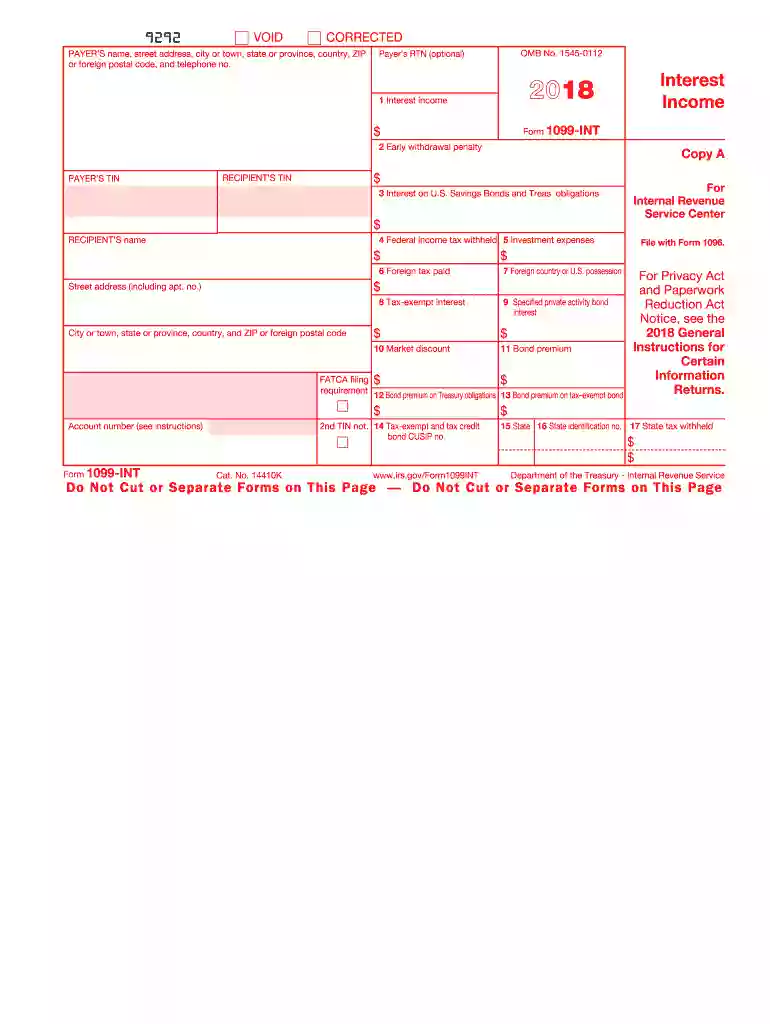
The 1099-INT form is a crucial document issued by the Internal Revenue Service (IRS) to report interest income. Financial institutions send out this form to both the IRS and taxpayers who have earned interest income of at least $10 during the tax year. For 2017, the 1099-INT form continues to serve this purpose. Understanding this form is vital because it ensures taxpayers accurately report interest income on their federal tax returns, thereby maintaining compliance with IRS regulations.
Importance for Taxpayers
- Accurate Reporting: Ensures proper disclosure of interest income, reducing the risk of underreporting and potential penalties.
- Tax Calculation: Plays a pivotal role in calculating taxable income, impacting the overall tax liability.
- Record Keeping: Serves as a record of income received, which can be useful for financial planning and year-end tax preparation.
Key Elements of the 1099-INT 2017 Form
The 1099-INT 2017 form has multiple boxes, each designed to report specific types of interest income and associated details:
- Box 1: Interest Income. This box details the total amount of taxable interest earned.
- Box 2: Early Withdrawal Penalty. Indicates any penalties incurred for early withdrawal of funds from a certificate of deposit or similar accounts.
- Box 3: Interest on U.S. Savings Bonds and Treasuries. Displays interest from specific government securities.
- Box 8: Tax-Exempt Interest. Provides the total amount of interest that is exempt from federal income tax.
Additional Information
- Box 4: Federal Income Tax Withheld. Reports any federal tax withheld on the interest income.
- Box 5: Investment Expenses. Records any fees associated with earning the interest, often reducing the gross interest amount reported.
How to Obtain the 1099-INT 2017 Form
Receiving the 1099-INT form typically involves minimal effort on the part of the taxpayer:
- Issuance by Institutions: Financial entities automatically issue the form to eligible taxpayers by January 31 each year.
- Electronic Access: Many institutions offer electronic versions through online banking platforms.
- By Request: In case of non-receipt, taxpayers can request a copy from their bank or financial institution.
Steps for Verification
- Confirm Contact Information: Ensure that your financial institution has your current address and email to prevent delivery issues.
- Verify Account Eligibility: Check the accounts to confirm whether they generated interest income that warrants a 1099-INT form.
Contextual Examples
- Retired Individuals: People drawing income from savings bonds or CDs.
- Students: Those who have educational savings accounts accruing interest.
IRS Guidelines
The IRS provides comprehensive guidance on handling the 1099-INT form:
- Tax Filing: Instructions on where to report interest income on Form 1040.
- Non-Resident Aliens: Specific instructions are available for non-U.S. citizens receiving U.S.-sourced interest income.
- Penalties: Details on potential fines for failing to report or incorrectly reporting information.
Reference for Internal Compliance
- Publication 550: Offers detailed insights into the tax treatment of investment income and expenses.
Steps to Complete the 1099-INT 2017 Form
Filling out or verifying a 1099-INT form requires careful attention to detail:
- Verify Personal Information: Ensure the correct spelling of names, social security numbers, and addresses.
- Review All Boxes: Confirm accuracy in reported amounts in each relevant box.
- File Correctly: Include the total interest in the income section of your tax return.
Error Correction
- Procedure: Contact the issuing institution to correct errors and reissue a correct 1099-INT form.
- Resubmit: Amend tax returns if necessary using Form 1040-X.
Penalties for Non-Compliance
Failing to comply with IRS rules regarding the 1099-INT form can result in significant consequences:
- Underreporting Penalties: Applies if the income is not accurately reported on tax returns.
- Late Filing Fees: Imposed for delays in filing the form to the IRS.
- Negligence Penalties: Significant fines for intentional disregard of reporting obligations.
Case Studies
- Example: A taxpayer failed to include $200 in interest income, resulting in additional fines beyond regular taxes owed.
Filing Deadlines / Important Dates
Compliance with deadlines is crucial to avoid penalties:
- January 31: Deadline for institutions to send the form to taxpayers.
- April 15: Deadline for taxpayers to file their returns, including the 1099-INT information, in most tax years.
Planning and Preparation
- Tax Planning Strategy: Use deadline reminders to ensure timely processing of tax documents and reduce last-minute filing stress.
- Annual Review: Conduct a preliminary review of financial documents early in the year to spot errors before official reports are provided.