Overview of the KCI Wound VAC Form
The KCI wound VAC form is an essential document for healthcare providers looking to prescribe the KCI V.A.C.® Therapy. This form serves a multitude of purposes, from providing insurance authorization to ensuring adherence to required medical guidelines. Each section is crafted to capture critical elements of patient care and treatment justification, making it a vital resource in the wound management process.
Key Components of the KCI Wound VAC Form
The KCI wound VAC form includes several sections aimed at gathering comprehensive information about the patient’s condition and the prescribed therapy. Important components include:
-
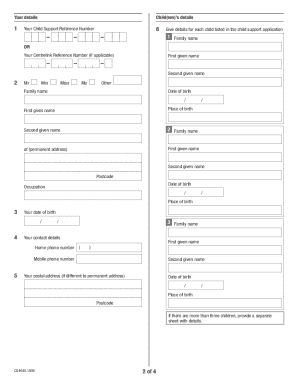
Patient Information: This section requires personal details about the patient, including their name, contact information, and date of birth.
-
Prescriber Information: Here, healthcare providers must include their credentials, contact details, and the facility from which they practice.
-
Clinical Information:
- Wound Type: Clearly categorizing the type of wound helps to determine the appropriateness of the KCI V.A.C.® Therapy.
- Medical History: Previous treatments and patient responses may influence the decision to approve current therapy options.
-
Supplies Required:
- A list of supplies that will be covered under the therapy authorization ensures that all necessary equipment is accounted for, facilitating easier processing of the order.
Importance of Detailed Medical Justification
To bolster the chances of insurance approval, the KCI wound VAC form mandates thorough medical justification. This justification should capture:
-
Diagnosis Codes: Accurate coding is crucial for compliance with insurance protocols.
-
Treatment Rationale: Health providers are expected to clarify why KCI V.A.C.® Therapy is necessary, including prior treatment failures if applicable.
This level of detailed documentation supports claims of clinical necessity, directly impacting the approval process.
How to Complete the KCI Wound VAC Order Form
Completing the KCI wound VAC order form involves several steps to ensure all information is accurately recorded:
-
Gather Patient Data: Assemble the required personal and medical data.
-
Document Clinical Findings: Write down relevant observations and assessments.
-
Specify Supplies: Clearly list all items needed for the therapy, referencing the specific KCI VAC supplies.
-
Add Signatures: Ensure that both the prescriber and any necessary administrative personnel sign off on the form.
-
Submission: The completed form must be submitted according to the specific rules of the insurer, which could include online submissions or mail.
Variants and Accessories Related to the KCI Wound VAC Form
The KCI wound VAC form exists in different versions, depending on the specific insurance provider or practice standards. Common variants may include:
-
KCI wound VAC order form PDF: This format allows for easy printing and detailed record-keeping.
-
KCI charity wound VAC form: Tailored for patients who may qualify for financial assistance based on medical need or socioeconomic status.
Each variant should be reviewed for compliance with specific payer requirements.
Additional Considerations and Compliance
When dealing with the KCI wound VAC form, compliance with local laws and regulations is imperative. Points to consider include:
-
Insurance Specifics: Familiarize yourself with different payer requirements to prevent claim denials.
-
Record Keeping: Maintain a copy of all submitted forms for audit purposes, ensuring that documentation is readily available for future reference.
-
Updates on Regulations: Stay informed about any changes to insurance policies regarding wound therapies, as these can impact both the form completion process and patient care overall.
Practical Usage Examples
Here are some scenarios illustrating the use of the KCI wound VAC form:
-
A diabetic patient with a chronic foot ulcer may require a thorough evaluation of their wound status, documented in the KCI wound VAC form, to initiate therapy.
-
In a surgical setting, a patient with a post-operative wound might have the KCI wound VAC therapy prescribed immediately post-surgery, necessitating timely completion of the order form to expedite treatment.
By understanding the KCI wound VAC form and its intricacies, healthcare professionals can ensure they effectively advocate for their patients and streamline the treatment process. Keeping abreast of guidelines and maintaining accuracy in documentation ultimately supports better patient outcomes.