







Definition & Meaning
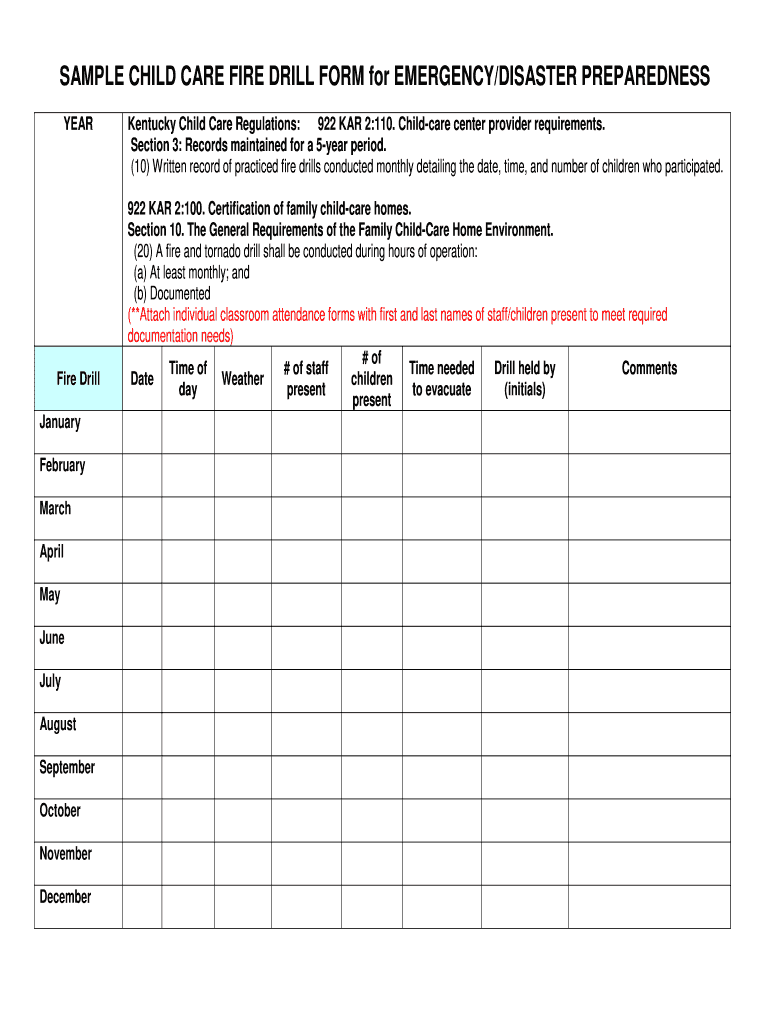
A fire drill log template is a structured document used to record the details of fire drills conducted within an organization. This essential tool helps ensure compliance with safety regulations and promotes a culture of safety awareness among staff and occupants. Typically utilized in various settings, such as schools, hospitals, and workplaces, the log captures critical information such as the date and time of the drill, the number of participants, and any observations made during the exercise. The documentation is invaluable for assessing the effectiveness of emergency procedures and ensures that all personnel are familiar with evacuation protocols.
The template serves as a standardized form, allowing organizations to maintain a consistent record of fire drills. It ensures that essential details are documented, enabling easy retrieval for audits or safety assessments. Additionally, having a documented record helps in identifying any areas that may require improvement concerning evacuation procedures and overall safety measures.
How to Use the Fire Drill Log Template
Using a fire drill log template involves several straightforward steps, ensuring that all required information is captured effectively.
-
Download or access the template: Choose a format that suits your needs, whether it’s a PDF or Word document. Free printable fire drill logs are commonly available online.
-
Fill in the header information: Start by entering the details of the organization, including the name, address, and the date of the drill.
-
Record drill specifics: Note the time the drill began and ended, along with the total number of children and staff present. This is crucial for assessing whether everyone participated in the drill.
-
Document observations and comments: Include any noteworthy occurrences during the drill, such as issues with the evacuation route or areas where individuals may have struggled to follow instructions. This feedback is essential for ongoing improvement.
-
Signature and review: Ensure that the responsible person, typically a safety officer or team leader, reviews and signs the log for validation. This step is necessary for compliance and accountability.
By adhering to these steps, organizations can ensure a thorough and effective documentation process that supports safety initiatives.
Key Elements of the Fire Drill Log Template
A comprehensive fire drill log template includes several key elements that ensure thorough documentation of the drill and its outcomes:
-
Date and Time: Document when the drill was conducted, providing clear evidence of compliance with regulations.
-
Location: Specify where the drill took place, which may vary based on the layout of the facility.
-
Participants: Include the total count of staff and participants, ensuring that evacuation procedures are practiced by everyone in the facility.
-
Duration: Record both the start and end times of the drill to evaluate the efficiency of the emergency response.
-
Observations: Note practical observations during the drill, such as any challenges encountered, which can inform future drills and improve safety protocols.
-
Signature of the Responsible Person: An authorized individual should sign the log, adding credibility to the documentation as it indicates proper review and approval of the drill process.
These elements not only facilitate comprehensive record-keeping but also enable organizations to assess the effectiveness of their fire drills systematically.
Importance of Fire Drill Documentation
Proper documentation of fire drills is crucial for several reasons:
-
Regulatory Compliance: Many states mandate regular fire drills in specific facilities, especially those involving vulnerable populations like children or patients. Accurate records demonstrate adherence to these regulations.
-
Safety Assessment: Documenting drills allows organizations to evaluate the effectiveness of their emergency response plans. By analyzing the logs, safety coordinators can identify trends, such as recurring issues in participant behavior or evacuation routes.
-
Training Reference: Logs serve as a historical reference for training new staff or during safety orientations. They illustrate what has been done and can inform improvements.
-
Audit Preparedness: In the event of an audit, having a well-maintained log can provide necessary proof of compliance and commitment to safety standards.
Through diligent documentation, organizations reinforce their commitment to a safe environment, allowing for continuous improvement in safety practices.
Examples of Using the Fire Drill Log Template
The utility of a fire drill log template can be demonstrated through various scenarios:
-
Educational Institutions: Schools often implement monthly fire drills as part of their emergency preparedness plans. Using the fire drill log template, educators can record the participation of students and staff, providing data for safety evaluations and planning future drills.
-
Healthcare Facilities: Hospitals conduct fire drills to train staff and patients in emergency evacuation procedures. Logs help document various scenarios, such as full versus partial evacuations, and the effectiveness of communication channels during an emergency.
-
Commercial Buildings: Offices may schedule quarterly fire drills. A detailed log allows businesses to track employee engagement and any obstacles during evacuations, assisting in refining their emergency response plans.
Each of these examples highlights the versatility and importance of an organized logging process to improve safety standards across diverse environments.
State-Specific Rules for Fire Drill Documentation
While the fundamental purpose of a fire drill log template remains consistent, certain state-specific regulations may influence requirements for documentation.
-
Frequency of Drills: States may set different frequencies for how often fire drills must be conducted (monthly, quarterly, or annually) based on the type of facility.
-
Retention of Records: Some states may require logs to be kept for a specified number of years, often ranging from three to seven, to ensure accountability and compliance.
-
Additional Reporting: Certain jurisdictions might necessitate additional reporting documentation for specific types of facilities, particularly those serving children or vulnerable populations, such as LDSS 4439 forms in child care settings.
Organizations must be aware of local regulations to ensure that their documentation practices comply with state mandates while safeguarding the welfare of all occupants.




