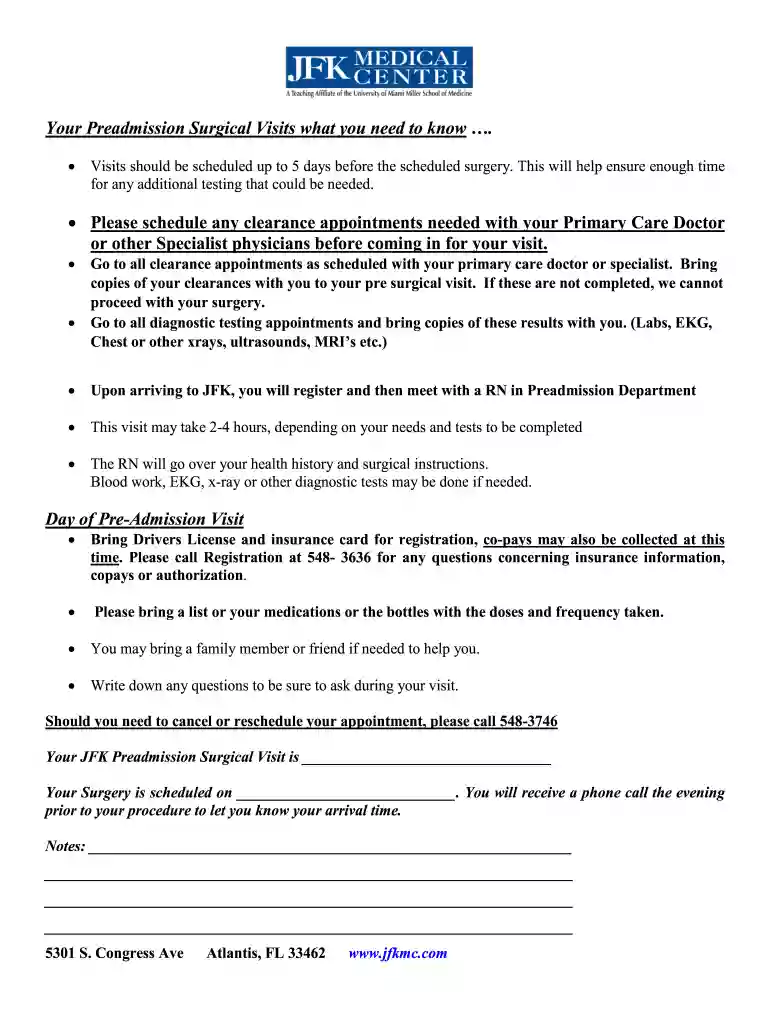
Your Preadmission Surgical Visits what you need to know Your Preadmission Surgical Visits what you n 2026

Get Form
jfk preadmission Preview on Page 1

Here's how it works

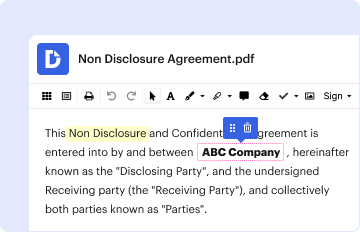
01. Edit your jfk preadmission online
Type text, add images, blackout confidential details, add comments, highlights and more.

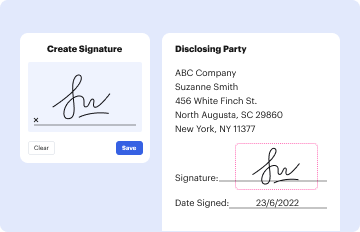
02. Sign it in a few clicks
Draw your signature, type it, upload its image, or use your mobile device as a signature pad.

03. Share your form with others
Send preadmission surgical via email, link, or fax. You can also download it, export it or print it out.

How to use or fill out Your Preadmission Surgical Visits what you need to know with our platform

Form edit decoration
9.5
Ease of Setup
DocHub User Ratings on G2
9.0
Ease of Use
DocHub User Ratings on G2
  1. Click ‘Get Form’ to open it in the editor.
  2. Begin by entering your personal information, including your name and contact details, in the designated fields.
  3. Schedule your preadmission visit by selecting a date within five days of your surgery. Ensure you have any necessary clearance appointments noted.
  4. List any diagnostic tests you have completed, such as labs or imaging results, in the appropriate section.
  5. Prepare for your visit by noting down questions you may have and bringing a list of medications or their bottles.
  6. Finally, review all entered information for accuracy before saving or printing the document for your records.

Start using our platform today to streamline your preadmission process for free!

See more Your Preadmission Surgical Visits what you need to know Your Preadmission Surgical Visits what you n versions

We've got more versions of the Your Preadmission Surgical Visits what you need to know Your Preadmission Surgical Visits what you n form. Select the right Your Preadmission Surgical Visits what you need to know Your Preadmission Surgical Visits what you n version from the list and start editing it straight away!
Versions Form popularity Fillable & printable
2018 4.8 Satisfied (50 Votes)
be ready to get more

Complete this form in 5 minutes or less

Get form

Got questions?

We have answers to the most popular questions from our customers. If you can't find an answer to your question, please contact us.
Contact us
The Preoperative Checklist is completed by clinicians working within their scope of clinical practice and is designed to aid patient preparation prior to their transfer to theatre and support effective clinical handover when there is a transfer of professional responsibility and accountability.
The pre assessment nursing staff will perform your pre-assessment electronically which will involve taking, a full medical history, surgery history and any social history. You will undergo routine observations such as: Blood pressure, pulse, temperature, height, weight for your BMI (body mass index).
A nurse will review your medical and surgical history, medications and provide you with your pre-operative instructions. You may have blood tests, an EKG, and/or a chest x-ray if needed. You will receive a booklet containing pre-operative and showering instructions. A nurse will review and explain this information.
Your preoperative exam will: Measure your height, weight and vital signs. Review your medication list, with recommendations for how to take your medications prior to surgery. Review your medical, surgical and family history. Include a physical exam.
Your observations will be taken (blood pressure, heart rate, temperature, respiratory rate, oxygen levels, height, weight and BMI). Your medical and anaesthetic history will be taken by a nurse. This includes any medications you are currently taking. The nurse will identify any medications which require adjustments.

Security and compliance

At DocHub, your data security is our priority. We follow HIPAA, SOC2, GDPR, and other standards, so you can work on your documents with confidence.

Learn more
ccpa2
pci-dss
gdpr-compliance
hipaa
soc-compliance
be ready to get more

Complete this form in 5 minutes or less

Get form

People also ask

During your appointment, you will most likely see: A nurse - to take your vital signs (for example your blood pressure and pulse) An anaesthetist - to discuss the anaesthetic process on the day, what to expect, concerns or queries.

Related links