
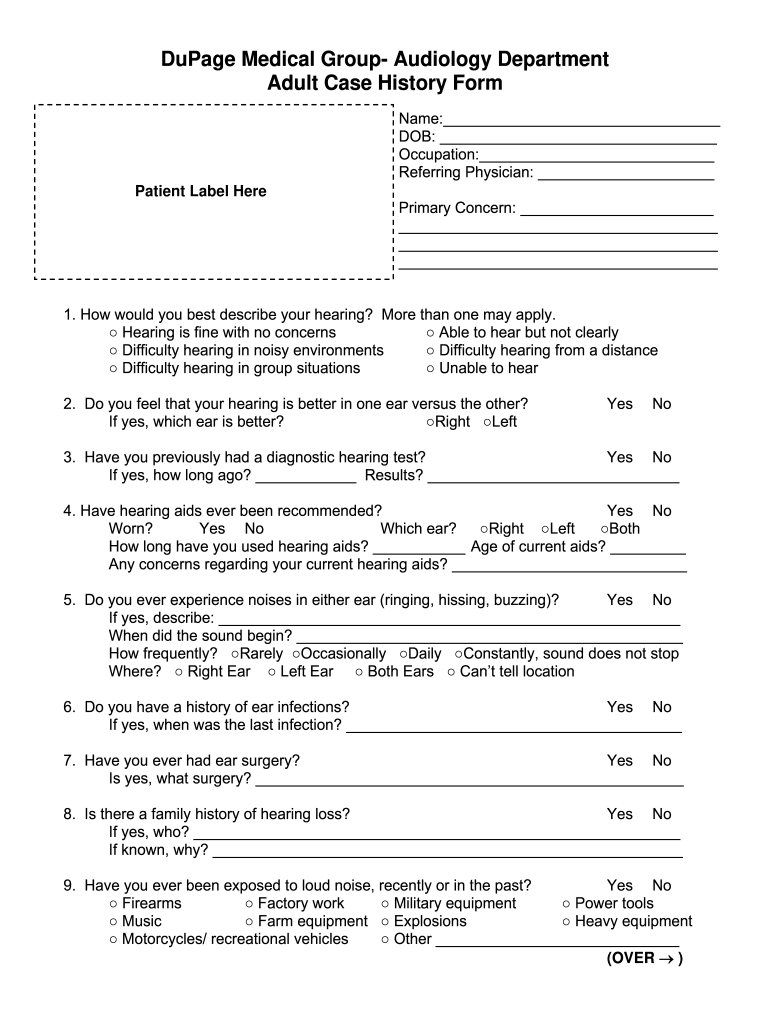







Definition and Meaning of Indoor Case Papers
Indoor case papers refer to a structured collection of documents utilized by hospitals and healthcare providers to maintain a patient's medical history and treatment details during an inpatient stay. These papers include comprehensive information that ranges from initial admissions to discharge summaries, ensuring that all relevant medical interactions are documented comprehensively.
- Purpose: The primary purpose of indoor case papers is to facilitate continuity of care. They serve as an official record that healthcare professionals can refer to at any time, ensuring that everyone involved in patient care is aware of the historical context and the patient's ongoing needs.
- Content: Key information included in indoor case papers typically features patient demographics, medical history, diagnostic tests and results, treatment plans, prescribed medications, and surgical reports if applicable.
- Importance in Healthcare Accountability: These documents play a crucial role in healthcare accountability and legal protection, providing a reliable record that can be referenced in case of any discrepancies or disputes regarding the care provided.
How to Use Indoor Case Papers
Understanding how to use indoor case papers effectively is vital for healthcare professionals to ensure comprehensive patient care.
- Documentation Entry: Professionals must diligently enter all relevant information at each stage of the patient's treatment. This includes documenting the initial assessment, any changes in condition, treatments administered, and notes from consultations with specialists.
- Collaboration: Indoor case papers facilitate collaboration among multiple healthcare providers. For instance, doctors, nurses, and therapists should all access and update the same case papers to maintain an accurate understanding of the patient's status.
- Legal Compliance: Ensuring accuracy in these documents protects not only the patient and the healthcare facility but also provides legal defense in case of malpractice claims. Accurate records can substantiate the care decisions taken.
Key Elements of Indoor Case Papers
For indoor case papers to be effective, certain key elements must be present within them.
- Patient Information: Essential details such as patient name, identification number, age, gender, and contact information for primary caregivers should be clearly documented at the outset.
- Admission Details: The reason for admission, along with date and time, provides context and assists in follow-up evaluations.
- Clinical Notes: Continuous documentation of patient observations and clinical findings throughout the patient's stay ensures all healthcare providers are aware of evolving conditions.
- Treatment History: Lists of medications administered, dosages, and any allergic reactions noted should be meticulously recorded to avoid potential adverse events.
- Discharge Summary: The discharge summary encapsulates the patient's overall treatment journey, follow-up care instructions, and additional referrals necessary for ongoing support.
Steps to Complete Indoor Case Papers
Completing indoor case papers requires precision and a structured approach to guarantee clarity and thoroughness.
- Initial Patient Assessment: Gather baseline data regarding the patient’s health and history upon admission.
- Regular Updates: As treatment progresses, healthcare providers should update the case papers with any new findings, treatments performed, and patients’ responses to interventions.
- Interdisciplinary Review: Encourage relevant team members to review and sign off on case papers after significant care-related events (e.g., surgeries, critical assessments).
- Final Review: Before discharge, conduct a final review to ensure all information is accurate, complete, and discusses follow-up actions.
- Secure Storage: Once completed, securely store the indoor case papers in compliance with medical record regulations, ensuring that health information is handled responsibly.
Legal Use of Indoor Case Papers
The legal context surrounding indoor case papers is critical for compliance with healthcare regulations and protecting patient rights.
- Confidentiality: According to HIPAA regulations, indoor case papers must be stored securely to protect patient privacy. Access should be limited to authorized personnel only.
- Litigation Support: In the event of medical malpractice cases, indoor case papers serve as vital pieces of evidence. Their accuracy can heavily influence the outcome of disputes, validating the care provided.
- Recording Amendments: Should any errors be detected post-completion, amendments to indoor case papers must be properly documented. This ensures the integrity of the record and demonstrates transparency in patient care.
Important Terms Related to Indoor Case Papers
Understanding specific terminology associated with indoor case papers is essential for effective communication among healthcare professionals.
- Discharge Summary: A document that summarizes the patient’s treatment, follow-up care, and any prescriptions upon leaving the hospital.
- Clinical Pathway: Protocols that guide specific treatment plans based on diagnoses, ensuring standardization of care.
- SOAP Notes: A method of documentation that organizes patient information into Subjective, Objective, Assessment, and Plan formats for clarity.
- Interdisciplinary Teams: Groups of healthcare professionals from different specialties who work together to provide comprehensive patient care.
These definitions not only clarify the components of indoor case papers but also reinforce their significance within the healthcare system.




