
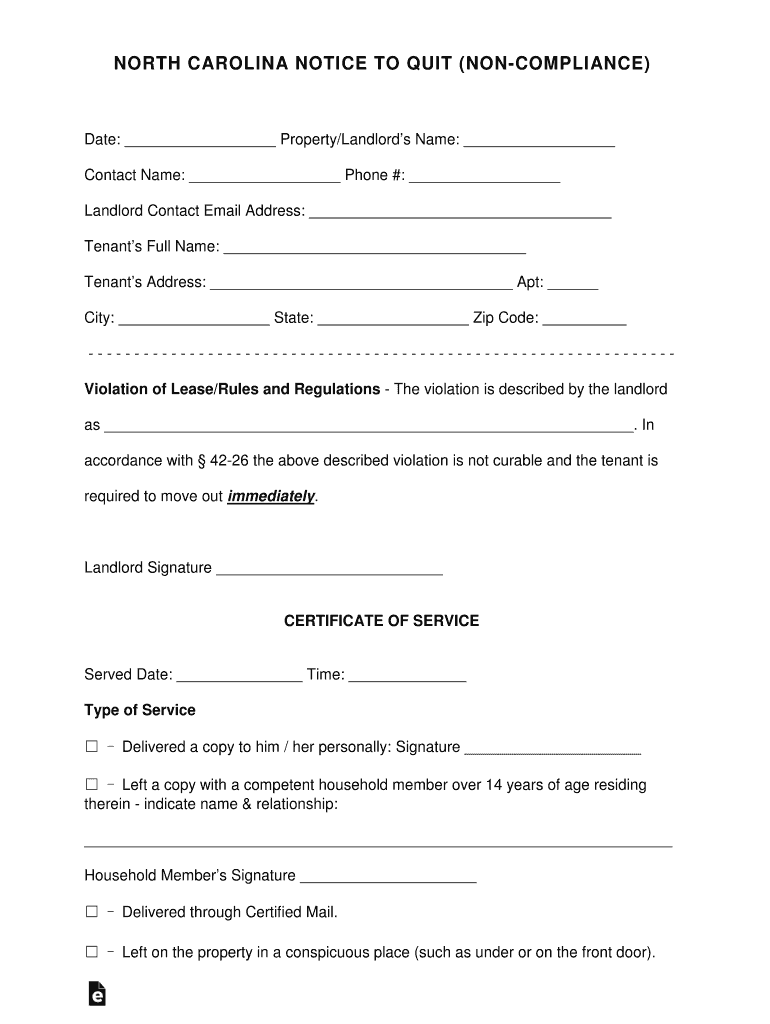



Date: Property Landlords Name: 2026

Get Form
Date: Property Landlords Name: Preview on Page 1

Here's how it works

01. Edit your form online
Type text, add images, blackout confidential details, add comments, highlights and more.

02. Sign it in a few clicks
Draw your signature, type it, upload its image, or use your mobile device as a signature pad.

03. Share your form with others
Send it via email, link, or fax. You can also download it, export it or print it out.

How to use or fill out Date: Property Landlords Name: with our platform

Form edit decoration
9.5
Ease of Setup
DocHub User Ratings on G2
9.0
Ease of Use
DocHub User Ratings on G2
  1. Click ‘Get Form’ to open it in the editor.
  2. Begin by entering the 'Date' in the designated field. This should reflect the date you are issuing the notice.
  3. Next, fill in the 'Property/Landlord’s Name' section with the full name of the landlord or property owner.
  4. Continue by providing your contact information, including 'Contact Name', 'Phone #', and 'Landlord Contact Email Address'. This ensures clear communication.
  5. Input the tenant's details in the respective fields: 'Tenant’s Full Name', 'Tenant’s Address', and other location specifics like city, state, and zip code.
  6. Describe the violation of lease/rules in detail as required. Be specific to ensure clarity for all parties involved.
  7. Finally, sign where indicated as the landlord to validate this notice.

Start using our platform today for free to streamline your document editing and signing process!

See more Date: Property Landlords Name: versions

We've got more versions of the Date: Property Landlords Name: form. Select the right Date: Property Landlords Name: version from the list and start editing it straight away!
Versions Form popularity Fillable & printable
2016 4.8 Satisfied (46 Votes)
be ready to get more

Complete this form in 5 minutes or less

Get form

Got questions?

We have answers to the most popular questions from our customers. If you can't find an answer to your question, please contact us.
Contact us
Landlords title refers to the legal ownership or interest that a landlord has in the property they are renting out or leasing to tenants. This includes the right to control, use, and lease the property, as well as the responsibility to maintain its condition and ensure it is habitable.
Tips for naming your Rental property brand Dont be too descriptive. Start with a name that works across cultures. Make your business name brandable. Steer clear of popular names. Choose something timeless. Be memorable.
There are 3,000 census records available for the last name Landlord. Like a window into their day-to-day life, Landlord census records can tell you where and how your ancestors worked, their level of education, veteran status, and more.
To verify if a private renter is the actual property owner, request official documents such as the property deed or title. You can also check public property records through local government websites or land registries. Asking for proof of ownership helps ensure transparency and protects your interests.
You have the right to know the name and address of your landlord. Your tenancy agreement often includes the landlords address and contact details.

Security and compliance

At DocHub, your data security is our priority. We follow HIPAA, SOC2, GDPR, and other standards, so you can work on your documents with confidence.

Learn more
ccpa2
pci-dss
gdpr-compliance
hipaa
soc-compliance
be ready to get more

Complete this form in 5 minutes or less

Get form

People also ask

A landlord is the owner of property such as a farm, house, apartment, condominium, land, or real estate that is rented or leased to an individual or business, known as a tenant (also called a lessee or renter). The term landlord applies when a juristic person occupies this position.
Landlord usually refers the owner of real property, such as a house, building, or land, that is leased or rented to another person or entity, called the tenant. In a lease contract, the landlord or landlady transfers part of his or her interest to the tenant. That is, the tenant can occupy and use the property.

Related links

