




Understanding Non Consent Letters
A non consent letter is a formal document asserting an individual's lack of consent under specific circumstances. This type of letter can be used in various situations, including legal contexts, medical decisions, or in scenarios involving property rights. Understanding its implications and applications is crucial for those seeking to navigate consent-related issues effectively.
Definition and Legal Context
Non consent letters are often employed in legal settings where individuals wish to formally state their refusal to allow specific actions or decisions impacting their rights. Key aspects include:
- Legal Status: Non consent letters help establish the position of the individual regarding consent, which can be crucial in legal disputes or actions.
- UCC Provisions: These letters frequently reference the Uniform Commercial Code (UCC) when addressing issues of contractual rights and obligations, providing a framework for disputing unauthorized actions.
Scenarios for Utilizing a Non Consent Letter
There are several scenarios in which a non consent letter might be necessary. Detailed examples include:
- Medical Treatment: A parent may issue a non consent letter concerning medical procedures for their child, ensuring that no treatment is administered without explicit agreement.
- Property Usage: Individuals can use a non consent letter to deny permission for others to use their property, clearly outlining the terms of their non-consent.
- Legal Defense: In legal cases, individuals may present a non consent letter to assert their rights against actions deemed unauthorized by the other party.
Important Elements of a Non Consent Letter
When drafting a non consent letter, specific components should be included to ensure clarity and effectiveness:
- Identification of Parties: Clearly state the names and addresses of all parties involved.
- Specific Terms: Define the precise terms of non-consent, including what actions are being denied.
- Legal References: Include any relevant legal provisions or guidelines that support the non-consent claim.
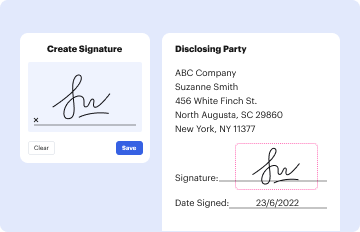
- Date and Signatures: Make sure to date the document and include signatures from all relevant parties to validate the letter.
Procedure for Drafting a Non Consent Letter
Creating a non consent letter involves several key steps:
- Determine Necessity: Assess whether a formal declaration of non consent is warranted based on the specific situation.
- Gather Information: Compile all necessary details, including the context for the non consent and the parties involved.
- Draft the Letter: Use clear and concise language to articulate your non consent, making sure to follow standard letter formatting.
- Include Legal References: Ensure relevant laws or regulations are mentioned to support the claims made in the letter.
- Review and Finalize: Review the letter for accuracy and clarity before finalizing it with necessary signatures.
Common Misconceptions About Non Consent Letters
There are several misconceptions surrounding non consent letters which can lead to confusion:
- Perceived Lack of Authority: Some may believe that a non consent letter holds no legal weight. However, if properly drafted, it can serve as a powerful assertion of rights.
- General Use: A non consent letter is not a one-size-fits-all document. It must be tailored to fit the specific circumstances to be effective.
- Privacy Concerns: Individuals often worry that issuing a non consent letter will lead to unwanted legal repercussions. However, these letters are tools for protection and should be approached confidently.
Application in Various Fields
The use of non consent letters extends across multiple sectors:
- Health Care: Non consent letters are often utilized by parents or guardians in decision-making about medical treatments for minors, particularly for vaccination or surgical procedures.
- Real Estate: Property owners may use non consent letters to prevent unauthorized use or alterations on their property.
- Business: Companies may issue non consent letters to protect trade secrets or proprietary information from being disclosed without proper authorization.
Best Practices for Implementing Non Consent Letters
For effective use of non consent letters, consider the following best practices:
- Clarity: Ensure that the language is straightforward and unambiguous to prevent misunderstandings.
- Documentation: Keep records of any correspondence related to the non consent letter for future reference.
- Consultation: When in doubt, consulting with a legal professional can provide guidance tailored to the specific situation, enhancing the letter's effectiveness.
Non consent letters serve a vital function in affirming individual rights and asserting boundaries across various contexts. Understanding their structure, purpose, and applications allows individuals to protect their interests more effectively.