Berkeley cv template 2026

Get Form
berkeley cv template Preview on Page 1

Here's how it works

01. Edit your berkeley cv template online
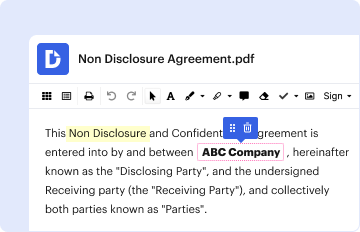
Type text, add images, blackout confidential details, add comments, highlights and more.
02. Sign it in a few clicks
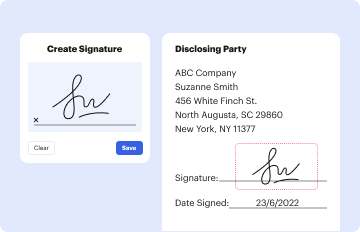
Draw your signature, type it, upload its image, or use your mobile device as a signature pad.
03. Share your form with others
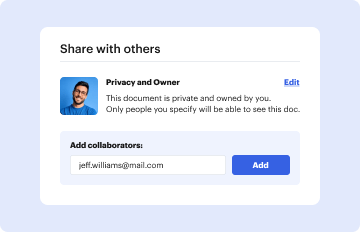
Send berkeley resume template via email, link, or fax. You can also download it, export it or print it out.

How to use or fill out berkeley cv template with our platform

Form edit decoration
9.5
Ease of Setup
DocHub User Ratings on G2
9.0
Ease of Use
DocHub User Ratings on G2
  1. Click ‘Get Form’ to open the berkeley cv template in the editor.
  2. Begin by entering your identifying data at the top of the form. Include your name, address, email, and phone number. Ensure that this information is accurate and professional.
  3. Move on to the education section. List your degree(s), major(s), and any relevant coursework. If applicable, include honors or GPA to highlight your academic achievements.
  4. In the experience section, detail your work history. Use bullet points to describe your roles and accomplishments clearly. Start each bullet with an action verb to emphasize your contributions.
  5. If you have additional skills or qualifications, such as languages or technical proficiencies, add them in a separate section. This can help set you apart from other candidates.
  6. Finally, review all sections for clarity and accuracy. Utilize our platform's editing tools to make adjustments as needed before saving or exporting your completed CV.

Start using our platform today for free to create a standout berkeley cv!

be ready to get more

Complete this form in 5 minutes or less

Get form

Got questions?

We have answers to the most popular questions from our customers. If you can't find an answer to your question, please contact us.
Contact us
Both graduate schools and professors with research assistantships commonly request CVs when you apply to join their programs. In most other applications related to employment or extracurricular experience, resumes are used in place of CVs.
Among the key differences between a resume and a curriculum vitae, or CV, include the documents length, its contents and purpose. You should take note of which region of the world youre applying in, plus your career path, when deciding which is more appropriate to use.
To summarize, a CV is more detailed and used in academia, while a resume is a shorter, targeted document that highlights your qualifications for a specific role.
Reverse chronological order format This is by far the most popular resume format out there. One of the biggest advantages of the reverse chronological resume format is that it allows you to spotlight key achievements on a single page. It also provides a clear narrative for your work experience.
This depends on the job you are applying for. If its a role in academia, stick to a detailed CV. But for most non-academic roles, a well-crafted resume is usually enough. However, in some cases, such as when applying for a senior-level position, you might also want to have a CV or something similar ready to go.

Security and compliance

At DocHub, your data security is our priority. We follow HIPAA, SOC2, GDPR, and other standards, so you can work on your documents with confidence.

Learn more
ccpa2
pci-dss
gdpr-compliance
hipaa
soc-compliance

People also ask

The chronological CV is the best CV format, as it works for most candidates. Its also preferred by most recruiters, as they are very familiar with it, and they are able to quickly scan it in search of necessary information. Its also easily read by the ATS software, which is a huge plus.
In 95% of cases, though, we recommend that you go for the chronological resume format. Its the most popular format among recruiters worldwide and it does a great job highlighting your most recent achievements and work experiences.

Related links