Vermont deed 2026

Get Form
vermont deed Preview on Page 1

Here's how it works

01. Edit your form online
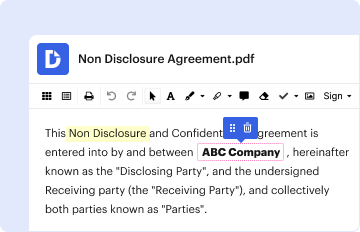
Type text, add images, blackout confidential details, add comments, highlights and more.
02. Sign it in a few clicks
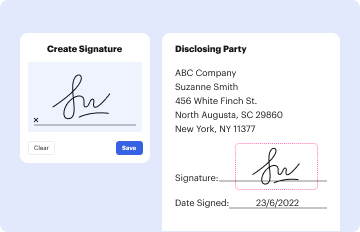
Draw your signature, type it, upload its image, or use your mobile device as a signature pad.
03. Share your form with others
Send it via email, link, or fax. You can also download it, export it or print it out.

How to use or fill out Vermont Deed with our platform

Form edit decoration
9.5
Ease of Setup
DocHub User Ratings on G2
9.0
Ease of Use
DocHub User Ratings on G2
  1. Click ‘Get Form’ to open the Vermont Deed in the editor.
  2. Begin by filling in the 'Prepared by' section. Enter your name, firm/company, address, city, state, zip code, and phone number.
  3. In the 'Grantor' section, specify whether you are married or unmarried and enter your name as the individual transferring property.
  4. Next, identify the 'Grantees' by entering their names. Ensure they are listed as joint tenants with rights of survivorship.
  5. Fill in the legal description of the property in the designated area. If needed, attach a separate document as Exhibit A.
  6. Complete the acknowledgment section by signing and dating it. Include notary details for validation.
  7. Finally, provide contact information for both Grantor(s) and Grantee(s) at the end of the form.

Start using our platform today to easily complete your Vermont Deed online for free!

be ready to get more

Complete this form in 5 minutes or less

Get form

Got questions?

We have answers to the most popular questions from our customers. If you can't find an answer to your question, please contact us.
Contact us
In conclusion, a quitclaim deed can help transfer property ownership in California, especially among family members or in situations where trust is established. However, its important to understand that this type of deed offers no guarantees about the propertys title.
The quitclaim deed simply transfers any interest they may have to the other party. Because of the lack of title guarantees, quitclaim deeds are most often used to transfer property between two parties who know and trust each other, such as family members.
General warranty deeds provide the most legal protection for the Grantee when conveying property interest. The Grantor warrants to the Grantee that they have equitable legal title and there are no other claims to the property.
Deeds and other conveyances of an interest in lands must be signed by the party or parties granting the interest, acknowledged by the grantor, as provided by statute, and recorded in the clerks office of the town in which such lands are located.
The big drawback is it doesnt offer guarantees. The person getting the property takes it as is. They risk the seller not really owning the property. This makes quitclaim deeds less ideal for most real estate deals. Warranty deeds offer more protection.

Security and compliance

At DocHub, your data security is our priority. We follow HIPAA, SOC2, GDPR, and other standards, so you can work on your documents with confidence.

Learn more

People also ask

In Vermont, land records are recorded in the town where the property is located. Recorded documents are public record and may be searched at the Town Clerks Office.
A quitclaim deed is a simple tool for transferring interest in a property without guaranteeing that the grantor has valid ownership. Its most commonly used in non-sale situations, such as transfers between family members, or to update or clarify ownership titles.
For a deed to be valid in Vermont, it must be in writing, signed by the grantor, and delivered to and accepted by the grantee. It must also be recorded in the land records of the town where the property is located to give notice to third parties.

Related links