





Definition and Importance of Pleading Paper
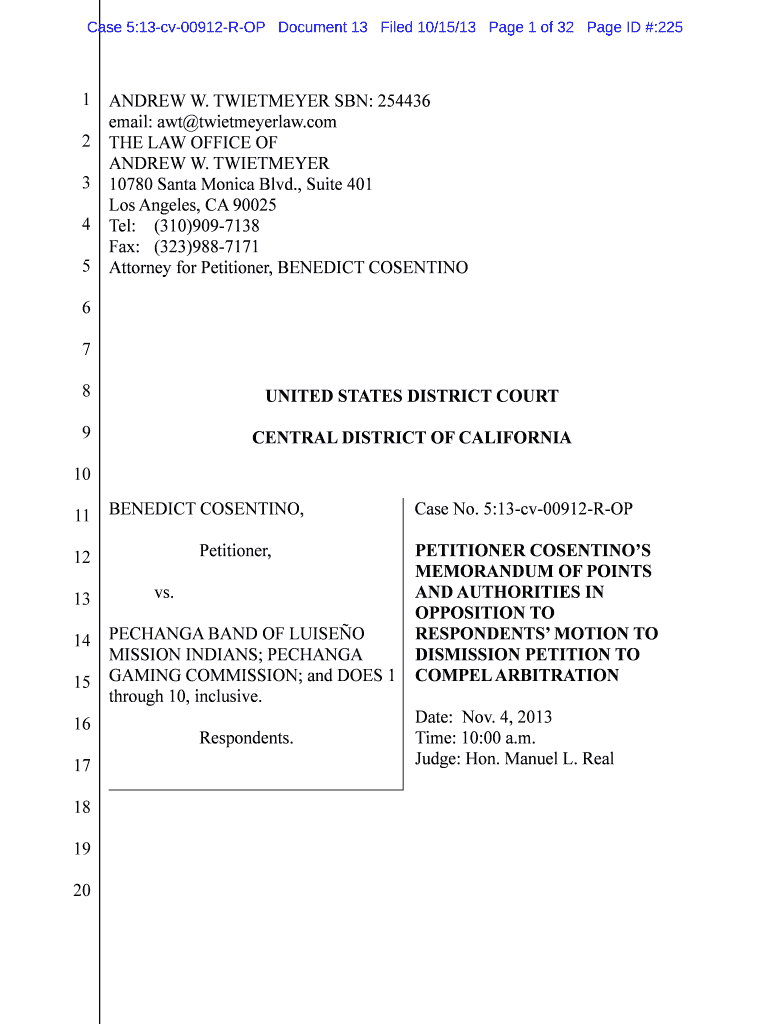
Pleading paper refers to a specific format of paper used in legal documents, particularly in courts for litigation. In California, pleading paper is structured with 28 lines per page, providing ample space for attorneys to draft their arguments, motions, or other legal filings. The use of a standardized template is crucial as it ensures that all necessary elements are included and organized correctly, adhering to court requirements. This structure not only facilitates readability but also ensures compliance with legal norms.
How to Use the Pleading Paper 28 Lines Template
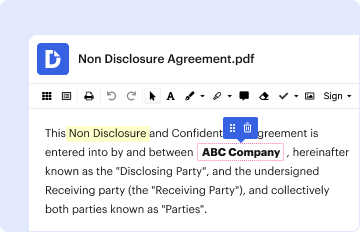
The Pleading Paper 28 lines template is a convenient framework for drafting legal documents in California. To use it effectively:
- Download the Template: Obtain a copy from a reliable source, ensuring it meets court standards.
- Insert Case Caption: Start with the case caption at the top, which identifies the parties involved, the case number, and the court.
- Draft Your Document: Begin writing your legal argument or motion within the designated 28 lines.
- Formatting Requirements: Ensure proper margins and font size, typically 12-point font in a readable typeface.
- Finalize the Document: After drafting, review for compliance with local rules before submission.
How to Obtain the Pleading Paper Template
To obtain the Pleading Paper 28 lines template for California litigation, consider the following methods:
- Online Legal Resources: Many websites offer free or purchasable templates designed to meet specific court standards.
- Local Courts: Courts may provide official templates directly through their websites or at their clerical offices.
- Legal Software: Programs specifically designed for legal documentation can generate pleading papers tailored to your state's guidelines.
Key Elements of the Pleading Paper Template
When utilizing the Pleading Paper 28 lines template, certain key elements must be included. These features ensure that the document adheres to legal standards:
- Case Caption: Always include the names of the parties involved at the top of the document.
- Court Information: Specify the jurisdiction and court name directly under the caption.
- Page Numbering: Maintain sequential page numbering as required by local court rules.
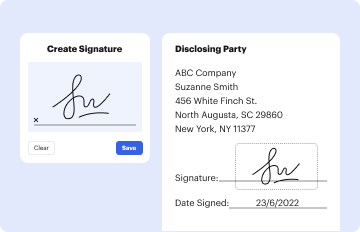
- Signature Block: At the end of the document, provide space for signatures, including that of the attorney or representative.
- Date Field: Include a section for identifying the date of filing.
Legal Use of the Pleading Paper Template
The Pleading Paper 28 lines template is essential in several legal scenarios in California:
- Filing Complaints: It is commonly used to initiate a lawsuit by filing a complaint against another party.
- Responding to Motions: Parties might use the template to file responses to motions or pleadings submitted by the opposition.
- Court Hearings: The format is frequently required for documentation submitted in preparation for court hearings and trials, ensuring uniformity across submissions.
State-Specific Rules for Pleading Paper
Adhering to state-specific rules is crucial when preparing documents on the Pleading Paper template. In California, the following considerations apply:
- Formatting: Ensure compliance with California Rule of Court 2.110, which specifies formatting requirements for all pleadings.
- Line Counts: Maintain the standard of 28 lines per page, as deviations can lead to rejection of the filing.
- Filing Procedures: Familiarize yourself with local court rules regarding submission methods, deadlines, and required copies.
Examples of Using the Pleading Paper Template
Practical examples of utilizing the Pleading Paper 28 lines template include:
- Civil Rights Litigation: An attorney files a complaint addressing systemic violations against a client and uses the template to outline the factual background.
- Contract Dispute: A firm submits a motion for summary judgment using the specified 28-line layout to present clear, concise arguments supported by law.
- Family Law Cases: In family court, a lawyer drafts a custody petition, ensuring adherence to the formal requirements of pleading paper to improve chances of acceptance.
Important Terms Related to Pleading Paper and Captions
Understanding key terminology is essential for effective use of the Pleading Paper template:
- Case Caption: The section where case parties and case number are clearly identified.
- Pleading: A formal written statement of the cause of action or defense.
- Motion: A request made to a court for an order or ruling.
- Affidavit: A written statement verified by oath, used as evidence in court.
Incorporating this structured approach not only streamlines the drafting process but also enhances the clarity and effectiveness of legal documents in California's litigative environment.