




01. Edit your form online
Type text, add images, blackout confidential details, add comments, highlights and more.

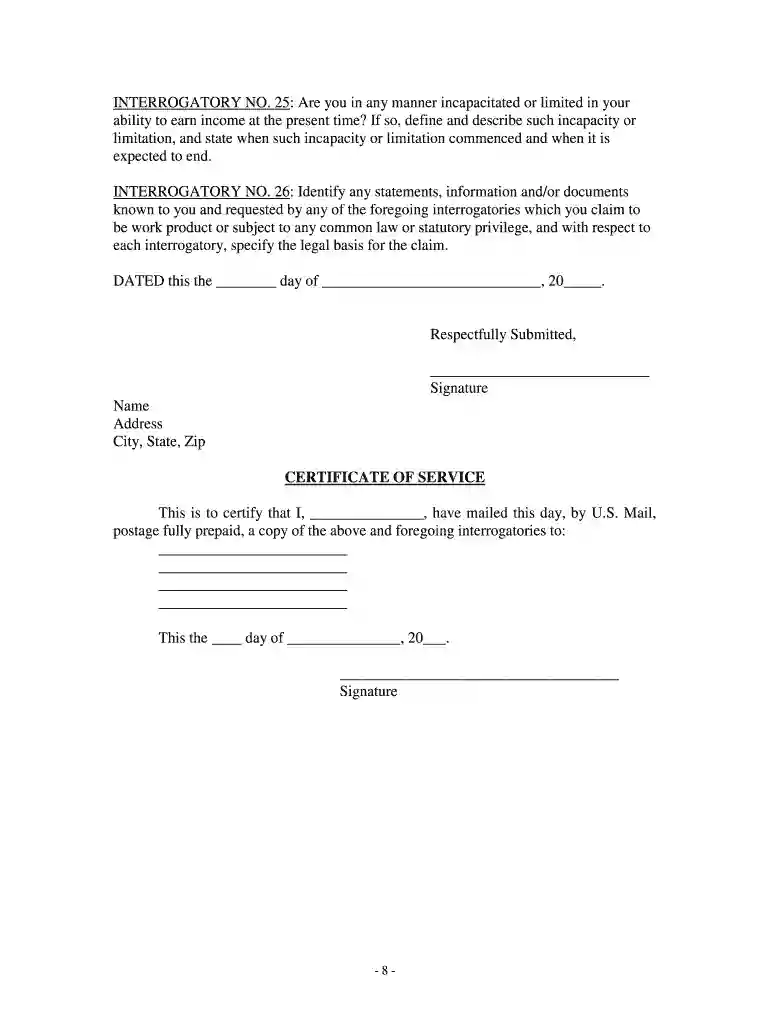
Type text, add images, blackout confidential details, add comments, highlights and more.

Draw your signature, type it, upload its image, or use your mobile device as a signature pad.

Send it via email, link, or fax. You can also download it, export it or print it out.
"IA Divorce" typically refers to the process of obtaining a legal dissolution of marriage in the state of Iowa. This process involves filing specific documents with the court to petition for divorce, understanding legal statues unique to Iowa, and complying with all procedural requirements. In Iowa, divorce is legally termed as "dissolution of marriage," and may include terms related to custody, asset division, alimony, and other related obligations. The goal is to ensure fair division and settlement between parties while protecting individual rights. Understanding the implications, benefits, and legal framework surrounding an IA Divorce is crucial for those undergoing marital dissolution in Iowa.
The primary step in using the Iowa divorce forms is to determine your eligibility for filing in the state. Typically, at least one spouse must have lived in Iowa for a minimum established period before filing. Once eligibility is determined, the petitioner (the spouse seeking the divorce) must fill out the correct forms available through the Iowa courts. These documents often require information such as personal details, grounds for divorce, financial disclosures, and details about children if applicable.
Completing an IA Divorce form encompasses several key steps:
Choosing to proceed with an IA Divorce offers several legal advantages and structures unavailable in other contexts. One key reason is access to Iowa's equitable distribution system, which ensures fair division of marital property. Additionally, Iowa does not mandate separation before filing, allowing couples to file without unnecessary delay.
Another factor is the legal framework accommodating amicable resolutions, potentially preserving relationships post-divorce. This framework is particularly beneficial for couples who prioritize maintaining a stable environment for their children.
IA Divorce forms are predominantly used by couples residing in Iowa seeking to dissolve their marriage. This includes:


Iowa possesses specific regulations which influence the divorce process:
When engaging in an IA Divorce, several vital elements need consideration:
Utilizing IA Divorce forms can tailor outcomes based on varied marital situations:
Before filing for an IA Divorce, it is essential to meet specific eligibility criteria:

At DocHub, your data security is our priority. We follow HIPAA, SOC2, GDPR, and other standards, so you can work on your documents with confidence.
You will need to electronically file a Petition for Dissolution of Marriage and pay the $265 filing fee. The petition, together with an original notice, mustRead more
by SL Sass Cited by 27 This article concerns the experiences that Iowa has had with its no-fault divorce act. The article first de- scribes the substance of the acts provisions.Read more


