




Definition & Meaning
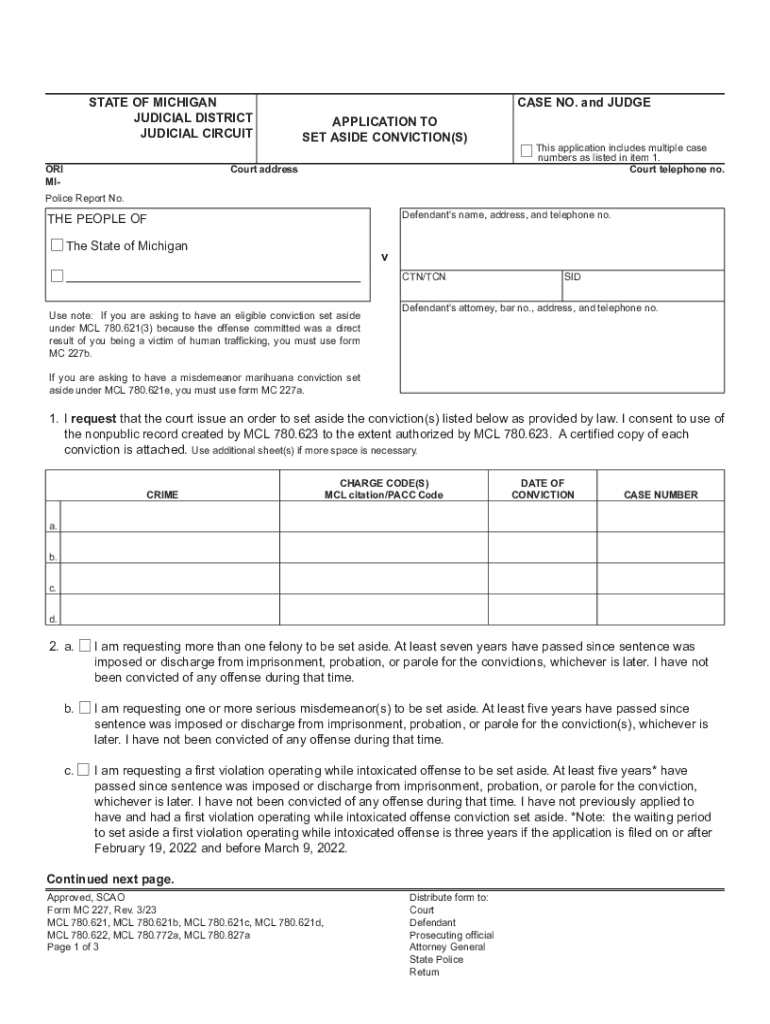
The term "form online" refers to digital documents that can be completed, submitted, and processed through various online platforms such as DocHub. These forms offer a paperless solution, simplifying the traditional way of filling out and managing paperwork. Through an online process, users can efficiently and accurately provide necessary information without physical submission. This digital approach ensures expedited processing, data accuracy, and cost savings by eliminating the need for printed materials.
Steps to Complete the Form Online
-
Access the Platform: Navigate to a digital document management system like DocHub. Ensure you are logged in to your account for full access to features.
-
Upload Documents: Import the necessary documents from your device or cloud storage services like Google Drive, Dropbox, or OneDrive. Choose the file that needs to be converted into a fillable form.
-
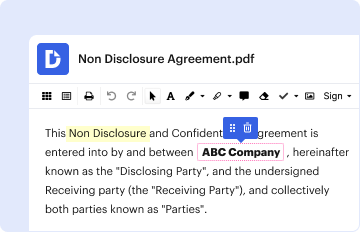
Add Form Fields: Use the platform's form fields manager to insert fields such as text boxes, checkboxes, dropdowns, and signature fields. Ensure that each field is appropriately labeled and positioned for clarity.
-
Assign Responsibilities: Specify which user is responsible for each part of the form. This step is crucial when multiple parties need to complete different sections.
-
Review and Finalize: Double-check all entries for accuracy and completion. Use the platform's preview feature to see how the form will appear to recipients.
-
Submit or Share: Once finalized, submit the form electronically or share it with other users for their input.
Key Elements of the Form Online
-
Fillable Fields: Text boxes for written entries, checkboxes for selections, and dropdown menus for predefined options ensure that all necessary information can be collected efficiently.
-
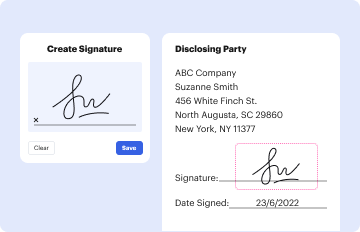
Signature Areas: Secure fields where signatures can be added using various methods, such as typing, drawing, or uploading an image of a handwritten signature, provide authenticity and legal validity.
-
File Attachments: Allow users to attach necessary documents to the form before submission, aiding in comprehensive data collection.
-
Instructions and Guidelines: Embedded hints or guidelines ensure that users understand the requirements for each section, reducing errors and improving data quality.
How to Obtain the Form Online
Forms online can be accessed through specific platforms designed for digital documentation. Users typically obtain these forms by:
-
Visiting a Document Management Platform: Access forms directly from websites offering document services like DocHub, where users can create or download pre-existing templates.
-
Government and Corporate Websites: Many organizations provide downloadable forms from their official websites, facilitating direct online completion and submission.
-
Email Invitations: Often, forms are shared via email invitations, allowing recipients to access them directly through system-generated links.
Who Typically Uses the Form Online
The use of online forms is diverse and typically includes:
-
Individuals needing to submit applications such as job applications, permits, or legal documents.
-
Businesses and Corporates for internal processes like HR forms, client agreements, or project proposals.
-
Educational Institutions for enrollment forms, feedback surveys, or administrative documentation.
-
Government Agencies providing public services that require personal information, such as tax filings or voting registrations.

Legal Use of the Form Online
Online forms must comply with various legal standards, ensuring they are recognized as valid and enforceable. Key legal components include:
-
Compliance with Electronic Signature Acts: Signatures captured on forms are legally binding under acts such as the ESIGN Act in the United States.
-
Data Protection Regulations: Forms must adhere to data privacy laws like the GDPR, ensuring user information is securely handled.
-
Secure Storage Protocols: Platforms like DocHub utilize encryption and password protection to safeguard documents from unauthorized access.
Form Submission Methods
Online forms can be submitted through several methods, each offering a seamless integration into digital workflows:
-
Direct Online Submission: Completed forms can be submitted directly through the platform, providing immediate data transfer to recipients.
-
Email Sharing: Users can share forms via email, either as attachments or through links hosted by the platform.
-
Download and In-Person Delivery: Though not common, some forms offer a download option for physical submission if required by specific circumstances or entities.
Examples of Using the Form Online
Practical examples of online form use include:
-
Job Applications: Enabling candidates to submit resumes and personal details without visiting an office.
-
Permit Applications: Simplifying the process for citizens applying for construction or business operation permits.
-
Feedback Surveys: Allowing organizations to gather opinions or assessments from clients or employees efficiently.
These examples demonstrate how transitioning to online forms streamlines processes, saves time, and enhances accessibility for various users.