




Understanding Online Forms
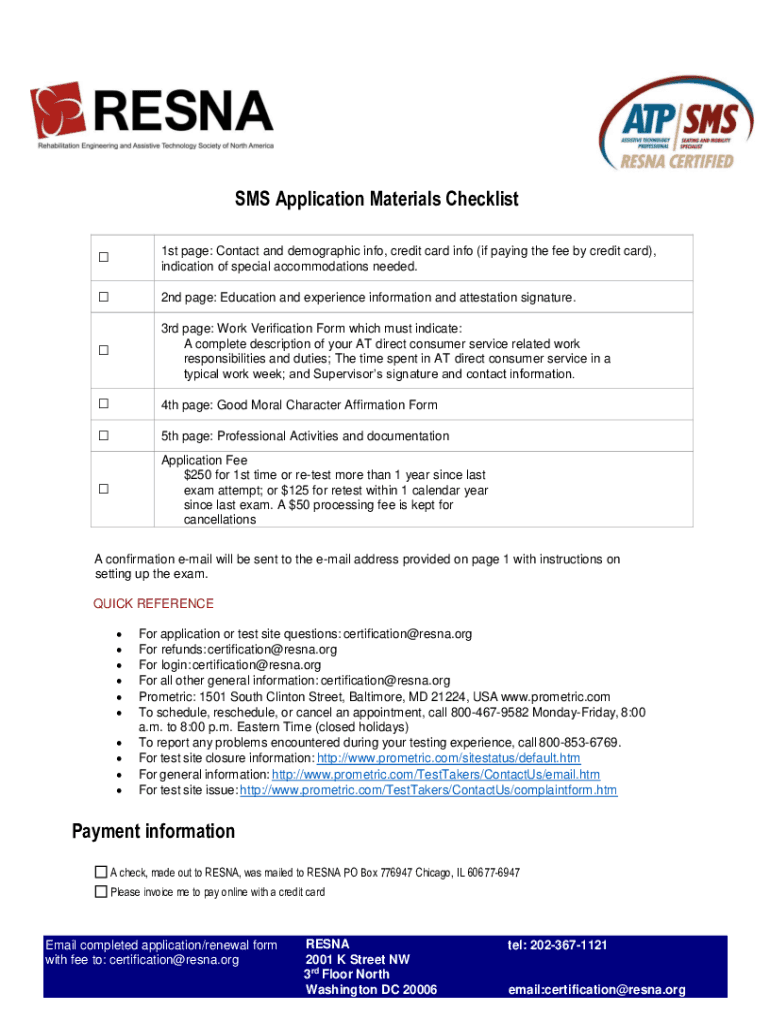
Online forms are digital tools used for data collection, allowing users to input and submit information electronically. They replace traditional paper forms and can be used across various applications, including tax filings, applications, surveys, and more. The convenience of online forms lies in their accessibility, flexibility, and the ability to streamline data management.
How to Use an Online Form
To use an online form, follow these general steps:
- Access the form through a designated platform, such as a company's website or a document management tool like DocHub.
- Review the form thoroughly to understand the information required.
- Fill out each section meticulously, making sure to complete all mandatory fields.
- Use tools available on platforms like DocHub to add annotations if needed.
- Submit the completed form as per the instructions provided, often with a simple click or tap.
Steps to Obtain an Online Form
Obtaining an online form typically involves:
- Visiting the website or platform that hosts the form.
- Navigating to the section containing the form, often under resources, downloads, or documents.
- Downloading the form if necessary, though some can be filled out directly on the website.
- For forms hosted on DocHub, you can integrate with cloud services to access and import forms seamlessly.
Completing an Online Form
Filling out online forms requires attention to detail:
- Start by checking each section to ensure no fields are overlooked.
- When using DocHub, you can insert fillable fields and add text boxes where needed.
- Double-check all entries before final submission to prevent errors.
- Make use of platform features like form field verification and required field indicators to capture all necessary data.
Why Use Forms Online
Digital forms offer numerous benefits:
- Efficiency: Automation of data handling saves time.
- Accuracy: Reduces errors associated with manual entry.
- Accessibility: Accessible from any device with internet connectivity.
- Environmentally Friendly: Reduces paper consumption and waste.
Legal Usage of Online Forms
Online forms must comply with legal standards to ensure data protection:
- Platforms like DocHub use encryption to secure data.
- Compliance with acts like the ESIGN and GDPR in the EU ensures legality and data privacy.
- Organizations can ensure authenticity by using digital signatures which meet legal standards.
Key Elements of an Online Form
Essential features of an online form include:
- Title and header for identification.
- Detailed instructions or guidelines.
- Sections with fillable fields for data input.
- Validation checks to ensure data accuracy.
- Security measures like encryption for data protection.
State-Specific Rules for Online Forms
Some forms, particularly tax or legal documents, may have state-specific requirements:
- State tax forms might differ in design and submission processes.
- Ensure compliance by checking local regulations and guidelines pertinent to your form.
- DocHub supports integration with state platforms for seamless form handling across jurisdictions.
Examples of Online Form Usage
Online forms are utilized in various sectors:
- Education: Enrollment applications or feedback forms.
- Healthcare: Patient intake forms and medical history updates.
- Business: Employee onboarding, feedback surveys, and customer inquiries.
- Using DocHub, businesses can manage templates effectively for reusable, interactive forms.
Form Submission Methods
Submitting forms online can differ based on the platform:
- Direct Upload: Many platforms allow direct submission without downloading.
- Email Submission: Some forms require being sent as an attachment via email.
- Platform Submission: Using DocHub or similar tools, forms can be saved and submitted directly within the platform, ensuring tracking and secure delivery.