




Definition and Meaning of Form Online
Forming online refers to the process of digitally creating, submitting, or managing various types of forms through online platforms. This digital transformation has streamlined processes traditionally reliant on paper-based systems. By enabling forms to be filled out, signed, and submitted online, it significantly reduces the time and resources involved. The forms can range from simple contact forms to complex legal documents, including tax filings, applications, or registration forms. This approach leverages cloud-based technologies and intuitive interfaces to ensure accessibility and ease of use.
Types of Forms Available Online
- Tax Forms: Such as the IRS W-9 and Form 1040, required for income tax reporting and withholding purposes.
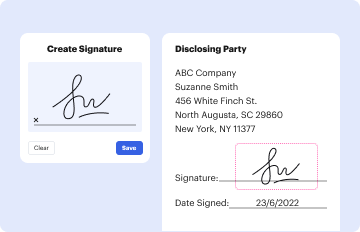
- Legal Forms: Including contracts and agreements that can be executed electronically, adhering to legal standards.
- Application Forms: For job applications, college admissions, or various permits and licenses.
- Registration Forms: Used for events, workshops, or memberships, enabling efficient data collection.
- Feedback and Contact Forms: Designed for customer feedback, contact requests, or other communication needs.
How to Use Form Online Platforms
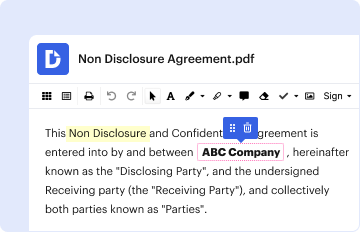
Utilizing form online platforms involves several steps to ensure effective completion and submission. These platforms, such as DocHub, provide intuitive tools for users to manage their forms effortlessly.
- Access a Trusted Platform: Choose a reliable form management service like DocHub, which offers a comprehensive suite of tools for form creation, editing, and submission.
- Create or Upload Forms: Start with a blank form or upload existing documents that need filling or sharing. Platforms often support multiple file types, making it versatile for different needs.
- Edit and Customize: Use editing tools to modify content, add annotations, or adjust form fields as required. The flexibility of these platforms allows for personalization and precision.
- Complete and Save: Fill in the necessary information, ensuring accuracy and completeness. Save the form regularly to avoid data loss.
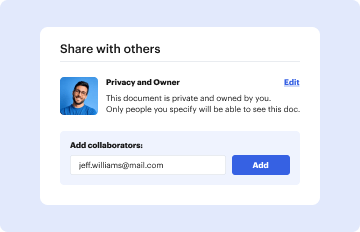
- Submit or Share: Once completed, forms can be submitted directly through the platform or shared with other parties via email or secure links.
How to Obtain Form Online
Obtaining forms online is a straightforward process that can be completed in a few steps:
Step-by-Step Guide to Acquiring Forms
- Identify the Required Form Type: Determine the specific type of form you need based on the task, such as a tax form or legal document.
- Visit the Appropriate Website: Go to the official website of the issuing entity. For federal tax forms, the IRS website is a typical starting point.
- Search for the Form: Use search functionality to locate the specific form by its name or number. Many online platforms offer a comprehensive library of templates.
- Download or Access Directly: The form can either be downloaded for offline completion or accessed directly on the platform for immediate online filling.
Steps to Complete the Form Online
Completing an online form involves detailed input and careful review to ensure all information is accurate and submitted correctly.
- Read Instructions: Start by thoroughly reviewing any instructions provided. This ensures adherence to guidelines and prevents errors.
- Fill Out Personal Details: Enter required personal information, ensuring all fields are completed accurately.
- Attach Necessary Documents: If applicable, attach any required documentation, such as identification or financial statements.
- Review and Correct: Check all entries for errors or omissions. Edit as necessary to ensure completeness.
- Submit for Review or Approval: Depending on the form type, it may need to be reviewed or approved by another party. Submit accordingly and track the process if needed.
Why Should You Form Online
Adopting online form solutions offers a variety of benefits that enhance efficiency and accuracy:
- Convenience and Accessibility: Forms can be accessed and completed from any location with internet connectivity, accommodating flexible work environments.
- Time and Cost Savings: Reduces the need for printing, mailing, and physical storage, significantly lowering operational costs.
- Improved Accuracy and Reduction of Errors: Automated systems can highlight omitted fields or common mistakes, enhancing data quality.
- Environmental Impact: Minimizes paper use, contributing to environmentally-friendly practices.
- Enhanced Security and Compliance: Many platforms offer secure encryption and compliance with legal standards such as ESIGN and GDPR.
Important Terms Related to Form Online
Understanding terms associated with online forms is essential for effective form management and compliance.
- Encryption: A security measure that protects data integrity during transmission and storage.
- ESIGN Act: A U.S. federal law that grants legal validity to electronic signatures and records.
- OAuth 2.0: An authentication protocol often used to authorize applications for secure data access.
- Fillable Fields: Interactive elements within a form designed for user input, such as text boxes or dropdown menus.
- Sign Request: A feature that allows users to request signatures from other parties electronically.
Key Elements of the Form Online
Forming online incorporates several critical components to ensure effectiveness and usability:
Essential Features of Online Forms
- Fillable Fields: Enable users to input information conveniently. These can range from text fields to signature boxes.
- Customization Options: Allow for the adaptation of forms to meet specific needs or comply with branding guidelines.
- Real-Time Collaboration Tools: Facilitate multiple users working on a form simultaneously, enhancing coordination and engagement.
- Submission Tracking: Provides updates on the status of forms, ensuring timely completion and submission.
- Automated Reminders: Notify users about upcoming deadlines or incomplete forms, optimizing workflow management.
Legal Use of the Form Online
Ensuring legal compliance is crucial when dealing with online forms, particularly for sensitive or official documents.
- Electronic Signatures: Must comply with legal standards such as the ESIGN Act to ensure validity and enforceability.
- Data Privacy Regulations: Such as GDPR in the EU and CCPA in California, require careful management of personal data collected through forms.
- Audit Trails: Maintain detailed records of interactions with forms, critical for audits or when legal disputes arise.
Examples of Using Form Online
Online form platforms like DocHub are utilized across various industries and scenarios to enhance productivity and streamline processes.
Use Cases
- Education: Schools and universities use online forms for admissions, enrollments, and feedback collection.
- Healthcare: Patient intake forms, consent agreements, and medical histories are increasingly managed online.
- Finance: Banks and financial institutions use online forms for loan applications and customer onboarding.
- Government: Online forms simplify tax filings, permit requests, and public feedback initiatives.